
The Real Risks of Vaping THC: The Dangers You May Not See Coming

Many people assume that vaping is easier on the body than smoking, especially when it comes to THC. However, this belief can be misleading.
Vaping THC is often seen as a cleaner, safer alternative, but the reality is more complicated. The way THC is concentrated and delivered in vape products can affect the body differently than many people expect, with consequences that build over time.
This article covers what actually happens to the body when you vape THC: the health risks, the specific dangers of unregulated products, addiction potential, and what recovery looks like. If you're reading this because you're concerned about yourself or someone you care about, Robin Recovery is here to help you find clear answers and a path forward.
Table of Contents
- Vaping THC vs. Smoking: The Truth Behind the “Safer” Myth
- 3 Short-Term Effects of Vaping THC
- 3 Long-Term Health Risks of THC Vaping
- Signs Someone May Be Vaping THC
- Can Your Lungs Recover From Vaping THC?
- Real Help Is Available at Robin Recovery
Vaping THC vs. Smoking: The Truth Behind the “Safer” Myth
Vaping THC, or any substance for that matter, isn't safer than smoking. It's a different risk profile, not a smaller one.
THC concentrations in vape products can reach 90% or higher, compared to 15–25% in traditional flower. Users also tend to inhale deeper and vape more frequently, which intensifies exposure to both THC and the chemical compounds produced during vaporization.
Higher potency means higher concentrations of THC reach the lungs and bloodstream faster. The brain and respiratory system respond to that differently than they do to lower-concentration traditional use, not just in degree, but in kind. The neurological and physical effects are more intense, harder to predict, and more likely to tip into acute symptoms like anxiety, paranoia, or respiratory distress.
Research shows that cannabis vaping users report worse respiratory symptoms than nicotine vapers or cigarette smokers. That finding challenges the assumption that vaping is the gentler option.
If someone you care about is vaping THC regularly and you're not sure what to do next, Robin Recovery is here to help.
One call is all it takes to get pointed in the right direction.
What Happens if I Vape THC Every Day?
Daily THC vaping accelerates tolerance, meaning the same dose produces less effect, so users vape more to compensate. Over time, this pattern raises the likelihood of cannabis use disorder (CUD) and makes it harder to stop without experiencing withdrawal.
The escalation cycle is a physiological pattern, not a moral failing. Because modern vape products are so much more potent than smokable cannabis, tolerance builds faster than most users expect. What starts as occasional evening use can shift into daily dependence without a clear turning point.
The cognitive effects accumulate quietly. Changes may be subtle at first, then grow harder to ignore over months of daily use.
3 Short-Term Risks of Vaping THC
The immediate health risks of vaping THC range from mild discomfort to acute health emergencies, and they're not predictable, especially at the concentrations found in modern vape products.
#1: Physical Effects
The body responds quickly when THC enters the lungs through vaporization. Heart rate can spike significantly within minutes (tachycardia), which becomes more concerning for anyone with underlying cardiovascular issues.
Users may also experience:
- Dry mouth
- Dry eyes
- Throat irritation from aerosol inhalation
- Nausea
- Dizziness
- Noticeably impaired coordination.
#2: Psychological and Cognitive Effects
High-potency products make psychological side effects more likely, not less.
Acute anxiety and paranoia are common, particularly in first-time users or anyone who hasn't used recently and encounters a high-concentration product.
Impaired memory and coordination during intoxication affect reaction time and decision-making in ways users often underestimate.
These effects land harder in younger users. The teen brain is still actively developing dopamine regulation systems well into the mid-20s. THC disrupts that process directly, and not temporarily. Adolescents who vape THC show deficits in memory, attention, and executive function that may not fully resolve even after stopping.
Since the adolescent brain is still maturing, it is more sensitive to THC’s effects, including anxiety and paranoid responses.
In some cases, especially in adolescents or those with a genetic predisposition to psychotic disorders, vaping high-potency THC can trigger acute psychosis symptoms.
#3: Acute Overconsumption Effects
The high concentrations in modern vape products make it easy to consume more THC than intended, often before the effects fully register. This can push the body past mild discomfort into an acute reaction sometimes called “greening out.”
Signs of overconsumption can include:
- Intense nausea or vomiting
- Cold sweats
- Pale skin
- Rapid heartbeat or chest discomfort
- Panic or sense of impending doom
- Temporary loss of coordination or the ability to stand
- Fainting
These episodes aren’t usually life-threatening on their own, but they can lead to falls, accidents, or panic-driven emergency room visits. The risks climb sharply with concentrated products, since the dose delivered in a few seconds of inhalation can far exceed what someone would get from conventional cannabis products.

Long-Term Health Effects of THC Vaping
Short-term effects usually resolve when the high fades. Long-term health risks of vaping THC don't. Over months or years of regular use, repeated exposure to high-potency THC and inhaled chemicals can affect the lungs, brain, cardiovascular system, and overall health.
#1: Lung Injury and Respiratory Damage
E-cigarette or vaping product use-associated lung injury (EVALI) became widely known during 2019–2020, when 2,807 hospitalizations and 68 deaths were attributed to the EVALI outbreak.
The majority of cases involved THC vape products, with vitamin E acetate (used as a cutting agent in cartridges) identified as a primary culprit.
A separate condition, "popcorn lung" (bronchiolitis obliterans), involves scarring of the small airways from inhaled chemical irritants found in vapes and is irreversible in severe cases.
Chronic respiratory symptoms such as persistent cough, shortness of breath, and increased susceptibility to respiratory illness can develop from regular vaping even without a dramatic acute event.
#2: Cannabis Use Disorder and Addiction
One of the most persistent myths about THC is that it isn't addictive. The data says otherwise.
Approximately 30% of marijuana users develop cannabis use disorder. This means 3 in 10 regular users, with rates significantly higher among those who start in adolescence.
Understanding why addiction develops helps clarify why willpower alone often isn't enough to stop vaping THC. The brain's reward pathways change with repeated high-potency exposure.
When someone tries to stop and experiences irritability, disrupted sleep, loss of appetite, and anxiety, those aren't signs of weakness. They're withdrawal symptoms that confirm dependence has developed.
#3: Organ and Systemic Effects
The health consequences of long-term THC vaping extend beyond the lungs.
Repeated episodes of elevated heart rate associated with vaping THC create cardiovascular strain, particularly for anyone with pre-existing conditions such as:
- Hypertension
- Coronary Artery Disease
- Arrhythmias
- Congestive heart failure
- Cardiomyopathy
Dental health is affected too; vaping cannabis is associated with dry mouth, poor periodontal health, and increased risk of dental decay.
Neurologically, high-frequency, high-potency THC exposure alters brain chemistry in ways that can persist well beyond active use, affecting:
- Motivation
- Executive function
- Perception of time
- Memory consolidation
- Emotional regulation
- Learning deficits
- Reaction time
- Attention and concentration
Signs Someone May Be Vaping THC
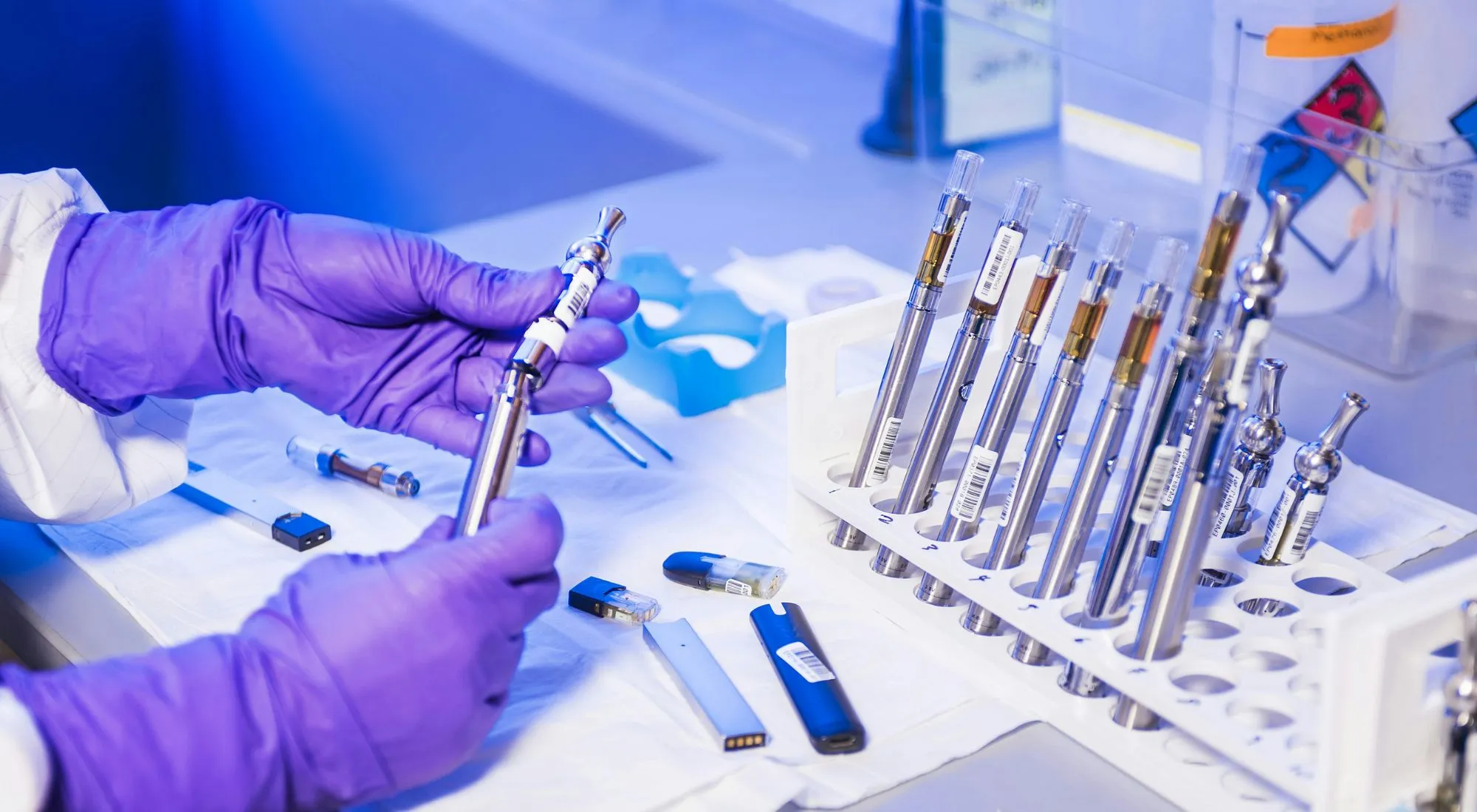
For parents and people close to someone who may be vaping THC, the signs aren't always obvious. Unlike traditional marijuana, vapes often produce a fruity or sweet smell rather than the recognizable odor of cannabis, which means the usual sensory cues aren't reliable.
Some things to watch for:
- Fruity or candy-like smell on breath or clothing (not smoky, sometimes barely noticeable)
- Unexplained or persistent cough, shortness of breath, or complaints of chest tightness
- Bloodshot eyes and increased thirst or dry mouth
- Noticeable mood shifts:
- Heightened anxiety
- Paranoia
- Irritability, especially after time away from the device
- Social withdrawal or declining performance in school or work
- A small device resembling a USB drive or pen, easily concealed and typically charged via a USB port
Can Your Lungs Recover From Vaping THC?
Partial recovery is possible. If someone stops vaping, lung inflammation can begin to resolve within weeks to months. Recovery isn't guaranteed or complete, especially if EVALI caused significant injury or use was heavy over a long period.
Stopping sooner produces better outcomes than waiting.
The key distinction is between reversible inflammation and permanent structural damage. Airway inflammation and irritation can heal with time and complete cessation. Scarring from conditions like bronchiolitis obliterans, or significant lung injury from EVALI, may leave lasting changes that don't fully reverse.
Duration of use, severity of any injury, and stopping completely all shape what recovery looks like. There is real reason for hope, but that window is wider the earlier someone stops.
Real Help For THC Addiction Is Available at Robin Recovery
If you're reading this because something feels off for yourself or for someone you love, that instinct matters.
Robin Recovery offers outpatient treatment and partial hospitalization programs in Columbus and Cleveland, OH, designed to meet people where they are. Nobody has to walk in with a plan already worked out.
This can be the last call you need to make. Our team at Robin Recovery will take it from there. If our programs aren't the right fit, we’ll help connect you to the resources that are.
Treatment is accessible regardless of insurance type, including Medicare and Medicaid.
Reach out today for yourself, or for someone you love.