Understanding Addiction: The Questions People Ask About Drug Use — and the Ones You Shouldn’t

Why do people become addicted to drugs?
Understanding addiction can feel confusing — whether you’re experiencing it yourself or trying to help someone you love. It’s not easy to know when to step in, what to say, or how to balance compassion with the firm boundaries that recovery often requires.
But there are ways to approach this with clarity and care. By learning how addiction works, how to communicate without judgment, and where to find professional support, you can make a real difference in someone’s recovery journey.
In this article, we’ll explore what causes people to use drugs, why addiction develops, what the first steps toward recovery look like, and how to talk about substance use with empathy and understanding.
- What Causes People To Take Drugs?
- What Is the Purpose or Reason for Using Drugs?
- Why Do People Become Addicted to Drugs?
- Things To Avoid Asking When Talking to Someone With a Substance Disorder
- What Do The First Steps Toward Recovery Look Like?
- Ready for Change? Start Your Journey With Robin Recovery
Early exposure, stress, trauma, mental health symptoms, peer influence, and access or availability can intersect with genetics and brain development — especially in adolescence — raising the likelihood that someone will try alcohol or drugs at least once. However, risk factors are indicators, not destiny — many people with risks never use — and strong protective supports can build resilience.
Why do people use drugs? These are the most common factors to consider when determining the reasons:
Economic Factors
Economic hardship and community conditions play a major role in shaping exposure to drugs, including:
- Living in neighborhoods with high unemployment, unstable housing, or limited access to education and healthcare
- Going through times that feel stressful and uncertain
- Discrimination and cultural barriers to support services
When opportunities feel limited and stress builds over time, drugs or alcohol can start to look like a way to cope, connect, or find temporary relief — even though they often deepen the challenges people face.
Family Factors
Drug abuse issues tend to arise in family situations where:
- Parents struggle with substance use themselves
- A household faces neglect, abuse, or ongoing conflict
- Children grow up without the structure and emotional safety they need
- There is financial strain
- You experience frequent moves
- There are absent caregivers
- The family did not set a healthy stage for how young people learn to handle stress and relationships.
Over time, these experiences may increase vulnerability to experimenting with drugs or alcohol as a way to find comfort or control.
Behavioral Factors
Certain personality traits and early behavior patterns can increase the likelihood of drug use later in life, such as:
- Trouble managing emotions during childhood
- High impulsivity
- Struggling to form healthy social connections
- Low self-esteem
- Poor stress tolerance
- Sense of failure at school or in relationships
These early behavior challenges don’t determine someone’s future, but without support, they can create pathways that make substance use more appealing or accessible.
Genetic Factors and Family History
Genetics can influence how the brain responds to substances and how easily it can become dependent on continuous consumption. Some gene variations may predispose a person to greater sensitivity to drugs; however, genes are only one part of the story.
Having a parent or someone with a history of substance use disorder can increase someone’s risk — not just because of shared genes, but also because of learned behaviors and exposure at home. These predispositions make some people’s journey more complex than others, but with the right professional guidance and expert help, you can begin and stay on your path toward healing with Robin Recovery.
.jpg)
People often use drugs or alcohol to meet a need — physical, emotional, or social — even when they know it may cause harm. Substances temporarily change the brain’s chemistry, creating feelings of relief, pleasure, or control that can make continued use hard to resist.
While each person’s experience is different, most reasons for use fall into a few common patterns:
- To feel good or experience pleasure
- To cope with pain or stress
- To improve performance or focus
- To fit in or belong
- To escape or numb feelings
Recognizing these underlying reasons is often the first step toward change — and with professional support, it’s possible to find safer, more sustainable ways to meet those same needs.
Addiction doesn’t happen overnight — it develops as drugs change the brain’s chemistry over time. Most substances trigger the brain’s reward system, flooding it with dopamine and creating intense feelings of pleasure. As the brain adjusts, it produces less dopamine naturally, making it harder to feel good without the substance.
With continued use, the areas of the brain responsible for judgment, memory, and self-control weaken. What began as a choice turns into a physical and psychological dependence. People keep using not to feel “high,” but to feel normal and avoid withdrawal.
These changes make recovery challenging, but not impossible. With the right care and support, the brain can begin to heal — and at Robin Recovery, that healing process starts with understanding, compassion, and evidence-based treatment.

Many loved ones genuinely want to help but don’t always know where to begin. Starting a conversation about substance use can feel uncomfortable, and it’s easy to say something that — while well-intentioned — may come across as judgmental or hurtful. Misunderstandings and misinformation may unintentionally reinforce shame and make recovery feel even harder to talk about.
This section aims to clear up those misconceptions and help you approach these conversations with empathy, understanding, and respect.
- “Why don’t you just stop?”
Try instead: “It sounds like you really want things to be different. How can I help you take that next step?”
- “Don’t you care about your family, friends, or job?”
Try instead: “You mean a lot to the people around you. What can we do to support your recovery together?”
- “Do you even want to get better?”
Try instead: “It’s okay if you’re unsure. Whenever you’re ready, there are people who can help you figure out your next step.”
- “So rehab didn’t work for you?”
Try instead: “It sounds like that program didn’t meet your needs. Maybe another approach could be a better fit — want to look into options together?”
- “Are you clean now?”
Try instead: “How have you been feeling in your recovery?”
Recovery begins with a few small, honest steps. Understanding what those early steps look like can help you or someone you love approach recovery with more confidence and compassion. Not every journey looks the same, but these are some of the first steps that are commonly seen in the early stages of recovery:
- Recognize that something needs to change: Every recovery story begins with awareness. This moment doesn’t have to be dramatic — it can simply be the quiet realization that life feels unmanageable, or that substance use is getting in the way of what matters most. Recognizing this truth is an act of courage, not weakness.
- Reach out for help: Once that awareness sets in, the next step is reaching out — whether it’s to a trusted friend, a counselor, or a professional recovery team. You don’t have to know all the answers before asking for help. Simply making the call can set real change in motion.
- Get a professional assessment: A professional assessment helps determine the level of care that fits your unique situation. In some cases, medical detox may be the first step before outpatient treatment begins.
- Build your support network: Recovery grows stronger when it’s shared. Support might come from family, friends, therapy groups, or community resources. Having people who understand and encourage your progress can make a meaningful difference in how steady recovery feels.
- Follow your personalized treatment plan: At Robin Recovery, each client’s plan is built around their specific needs. Your treatment plan might include:
- Partial Hospitalization Program (PHP): A structured daytime treatment for those needing consistent clinical support.
- Intensive Outpatient Program (IOP): A flexible option that allows clients to live at home while attending treatment several days a week — often an ideal starting point for many.
- Outpatient Program (OP): Step-down care that supports continued progress at a comfortable pace.
- Stay engaged and patient with yourself: Recovery isn’t a straight line. Some days will feel easier than others — what matters most is staying engaged with your care team and giving yourself the same compassion you’d offer someone else. Every small victory counts.
If you or someone you care about is ready to take the first step, Robin Recovery is here to guide the way. Call or schedule an appointment online today and let our team help you build a path toward lasting healing.
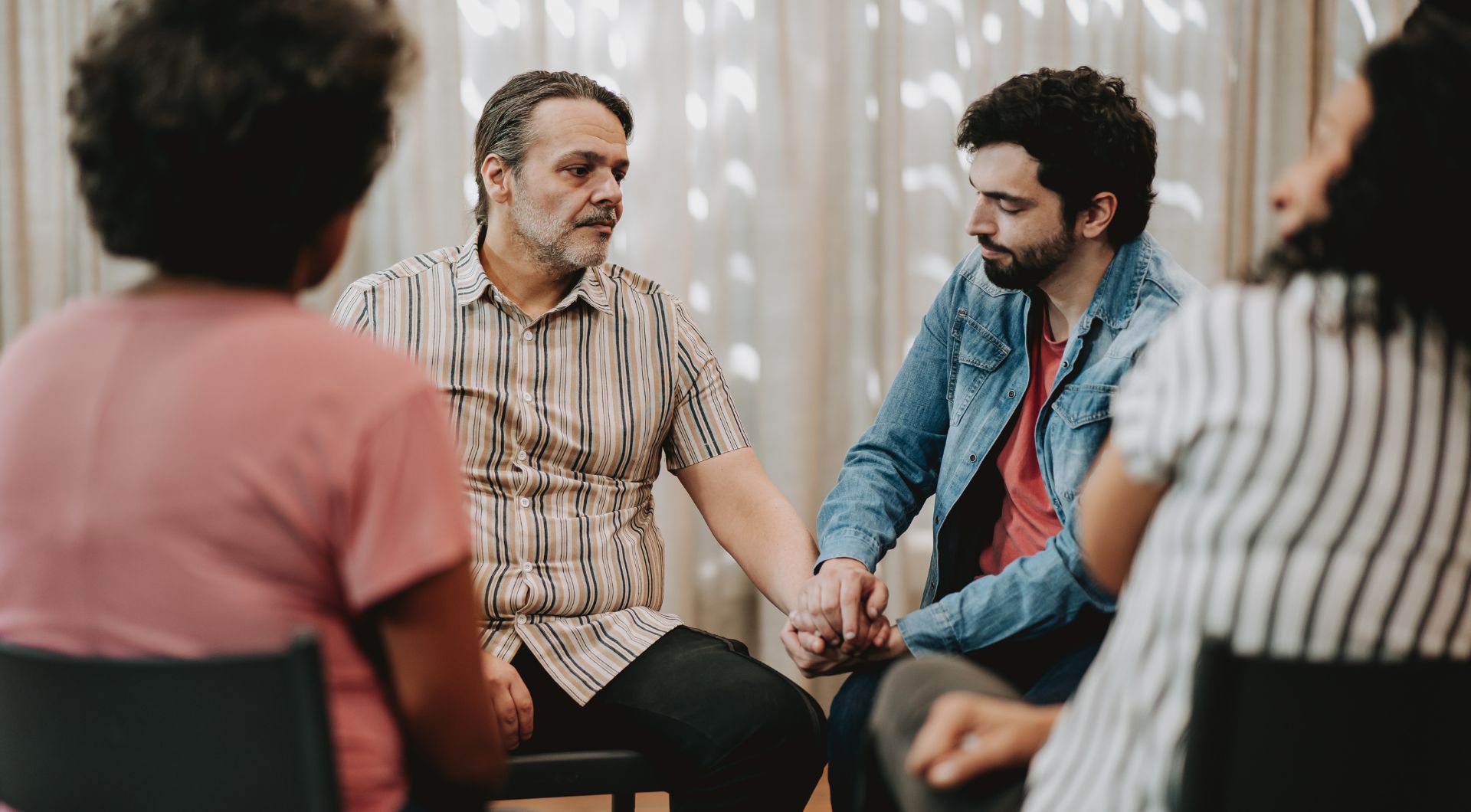
You don’t have to go through recovery by yourself, and you don’t need to wait until things get worse.
At Robin Recovery, we understand how your story, life circumstances, stress, and current reality can shape a person’s relationship with substances. Our programs in Columbus are tailored to you, so you can get the help you need with structure, compassion, and professional guidance every step of the way.
Whether you’re reaching out for yourself or someone you care about, we’re here to help you take that first step toward lasting change. Call or schedule an appointment today to begin your path to recovery.