
Will Orthotics Help Alcohol Neuropathy? A Step in the Right Direction

Alcohol neuropathy can be difficult to live with because it affects more than the feet. Tingling, numbness, burning pain, weakness, and balance problems can make everyday movement feel less steady. When these symptoms are connected to long-term alcohol use, the situation can feel even more complicated because the body may need support for both nerve damage and alcohol use disorder.
While orthotics cannot repair damaged nerves or treat the underlying cause, modern treatment tools can make symptoms easier to manage.
In this article, we’ll explain what alcohol neuropathy is, whether orthotics can help, 10 ways they may support mobility, how long improvement can take, and when it may be time to seek treatment for alcohol use.
Table of Contents
- What Is Alcohol Neuropathy?
- 10 Ways the Use of Orthotics May Help Alcohol Neuropathy
- How Long Does It Take for Alcohol Neuropathy To Improve?
- Receive Compassionate Alcohol Addiction Treatment and Support at Robin Recovery
What Is Alcohol Neuropathy?
Alcohol neuropathy, also called alcohol-related neuropathy, is nerve damage linked to long-term alcohol use. It affects the peripheral nerves, which help the body feel sensation, control movement, and support certain automatic functions.
This condition often affects the feet and legs first because the longest nerves in the body extend to the lower limbs. Symptoms may include:
- Tingling
- Burning pain
- Numbness
- Muscle weakness
- Cramps
- Balance problems
- Difficulty walking
- Reduced ability to feel pressure, temperature, or injury
Long-term alcohol use may damage nerves directly and can also contribute to vitamin deficiencies, especially B vitamins that support nerve health. Symptoms usually develop gradually and may worsen over time, making walking and coordination more difficult.
Is Alcohol Neuropathy Permanent?
Alcohol neuropathy can be permanent, especially when nerve damage is advanced. However, stopping alcohol use, improving nutrition, and receiving medical care may help prevent symptoms from worsening and allow some nerve function to improve.
Recovery depends on:
- Severity of the damage
- How long symptoms have been present
- Whether alcohol use is addressed
Some people notice meaningful improvement after sustained changes, especially alcohol rehab, while others continue to experience numbness, pain, or weakness. The important thing to remember is that early care matters.
Will Orthotics Help Alcohol Neuropathy?
Yes, orthotics may help some people with alcohol neuropathy by:
- Improving stability
- Pressure distribution
- Alignment
- Shock absorption
- Walking confidence
However, they do not heal damaged nerves or replace treatment for alcohol use disorder.
Research suggests foot and ankle devices may improve balance and gait in people with different types of sensory loss. Since alcohol-related neuropathy can affect feeling in the feet and legs, orthotics may be one helpful part of care.
If alcohol use is contributing to neuropathy, foot support alone is not enough. Robin Recovery provides alcohol addiction treatment support in Columbus and Cleveland, Ohio.

10 Ways the Use of Orthotics May Help Alcohol Neuropathy
#1: Improves Foot Stability
Alcohol neuropathy can make the feet feel less reliable. When sensation is reduced, it may be harder to tell where the foot is landing or how pressure is being placed.
Orthotics help stabilize the foot inside the shoe. By supporting the arch, heel, and overall structure, they may reduce wobbling and help the foot feel more secure when walking.
#2: Reduces Risk of Falls
Numbness, weakness, and poor balance can increase fall risk. When someone cannot fully feel the ground, small changes in surface level or foot position may be harder to detect.
Orthotics may create a more supportive base. With better foot positioning and contact inside the shoe, walking can feel more controlled.
They are not a complete fall-prevention solution, but they may support a broader plan that includes medical care, physical therapy, supportive shoes, and home safety changes.
#3: Distributes Pressure More Evenly
Neuropathy can make it harder to feel excess pressure. Repeated pressure on one part of the foot can lead to pain, skin irritation, calluses, or wounds.
Orthotics help redistribute body weight across the foot. Instead of overloading the heel, ball, or outer edge, the insert can help spread force more evenly, which makes walking more comfortable and helps protect vulnerable areas.
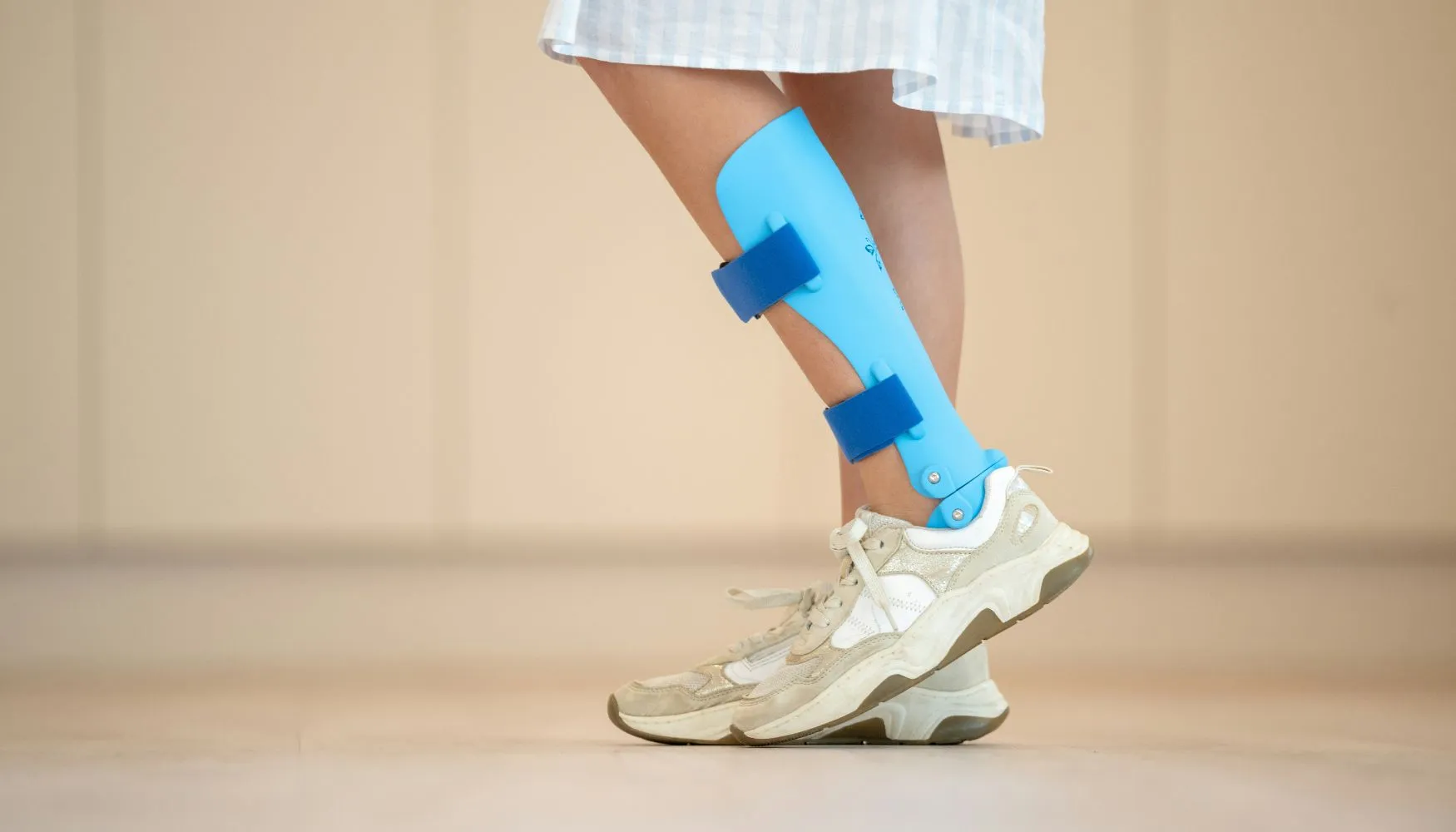
#4: Enhances Shock Absorption
Each step sends force through the feet, ankles, knees, and legs. When alcohol neuropathy causes pain, weakness, or altered walking patterns, that impact may feel stronger.
Cushioned orthotics can absorb some shock during walking. This may reduce stress on the feet and lower legs, especially for people who stand or walk on hard surfaces.
Better shock absorption may not remove nerve pain, but it can make daily movement feel less harsh.
#5: Supports Proper Foot Alignment
When the foot rolls too far inward or outward, the body may compensate. Over time, poor alignment can strain the ankles, knees, hips, or lower back.
Orthotics can guide the foot into a more natural position. Better alignment may improve gait efficiency and reduce unnecessary joint stress.
For people with neuropathy, this matters because nerve damage can already make walking feel uneven or unpredictable.
#6: Improves Walking Efficiency
Alcohol neuropathy can change how a person walks. Some people take shorter steps, lift their feet differently, or place weight unevenly because of numbness, pain, or weakness.
Orthotics can support the foot through each phase of movement, helping create a smoother gait pattern. This may make walking feel more controlled and less effortful.
With better support, the body may not have to compensate as much during everyday activities.
#7: Reduces Foot Fatigue
Weakness and nerve damage can make standing or walking tiring. Even short periods on the feet may cause soreness, heaviness, or extra strain.
Orthotics may reduce foot fatigue by supporting the arches and limiting unnecessary muscle effort. When the foot is better supported, the lower leg muscles may not have to overwork.
This can help conserve energy and make daily movement more manageable.
#8: Provides Sensory Feedback
Reduced sensation is one of the most difficult parts of neuropathy. When the nerves in the feet send unclear signals, it may be harder to feel the ground or know foot position.
Some orthotics increase contact between the foot and shoe. Others may use textured surfaces or contours to provide gentle sensory feedback.
This does not repair damaged nerves, but it may help compensate for reduced sensation with more consistent contact and support.
#9: Helps Prevent Secondary Complications
Alcohol neuropathy can cause more than pain or numbness. When walking patterns change, a person may develop joint strain, calluses, pressure areas, skin irritation, or worsening mobility limits.
Orthotics may reduce abnormal pressure and movement patterns that contribute to these issues. By improving alignment, cushioning, and pressure distribution, they may protect the feet from added stress.
People with neuropathy should also check their feet regularly, wear properly fitting shoes, and report wounds, swelling, color changes, or sudden pain to a medical provider.
#10: Improves Confidence in Mobility
Neuropathy can affect physical movement and confidence. When someone feels unsteady, they may avoid living their daily life because of:
- Pain
- Fatigue
- Fear of falling
Over time, reduced activity can worsen weakness and balance issues. Orthotics may help walking feel safer and more predictable. With better support, some people feel more comfortable staying active in daily life. That confidence matters because mobility is closely connected to independence, routine, and quality of life.

How Long Does It Take for Alcohol Neuropathy To Improve?
Alcohol neuropathy improvement varies from person to person. Some people notice changes within months, but full recovery can take years after alcohol use stops and treatment begins.
Recovery depends on the severity of nerve damage, how long symptoms have been present, whether alcohol use continues, nutrition, vitamin deficiencies, and overall health.
For some people, alcohol-related neuropathy improves with sustained alcohol abstinence, nutritional support, and medical care. For others, some symptoms may remain long-term.
Stopping alcohol use may help prevent neuropathy from getting worse. Orthotics can support walking and stability, but they should be viewed as one part of care alongside medical treatment and support for alcohol use disorder.
Receive Compassionate Alcohol Addiction Treatment and Support at Robin Recovery
If alcohol use is affecting your health, your mobility, or your ability to feel like yourself, you do not have to figure out the next step alone.
Robin Recovery offers compassionate addiction treatment support in Columbus and Cleveland, Ohio. Our team provides customized treatment plans that may include outpatient treatment, partial hospitalization programming, and counseling and therapy.
We understand that reaching out can feel overwhelming. That is why Robin Recovery aims to be the last call you need to make. Whether you are seeking help for yourself or someone you care about, you can call or schedule an appointment online, and our team will take it from there.
Even if we are not the exact fit for your needs, we will help you find the resources and direction you need to move forward. Contact Robin Recovery today to start a conversation about alcohol addiction treatment and recovery support in Ohio.