
The Nuts and Bolts of Drug Rehab: The Day-to-Day Experience of Professional Treatment for Addiction Recovery
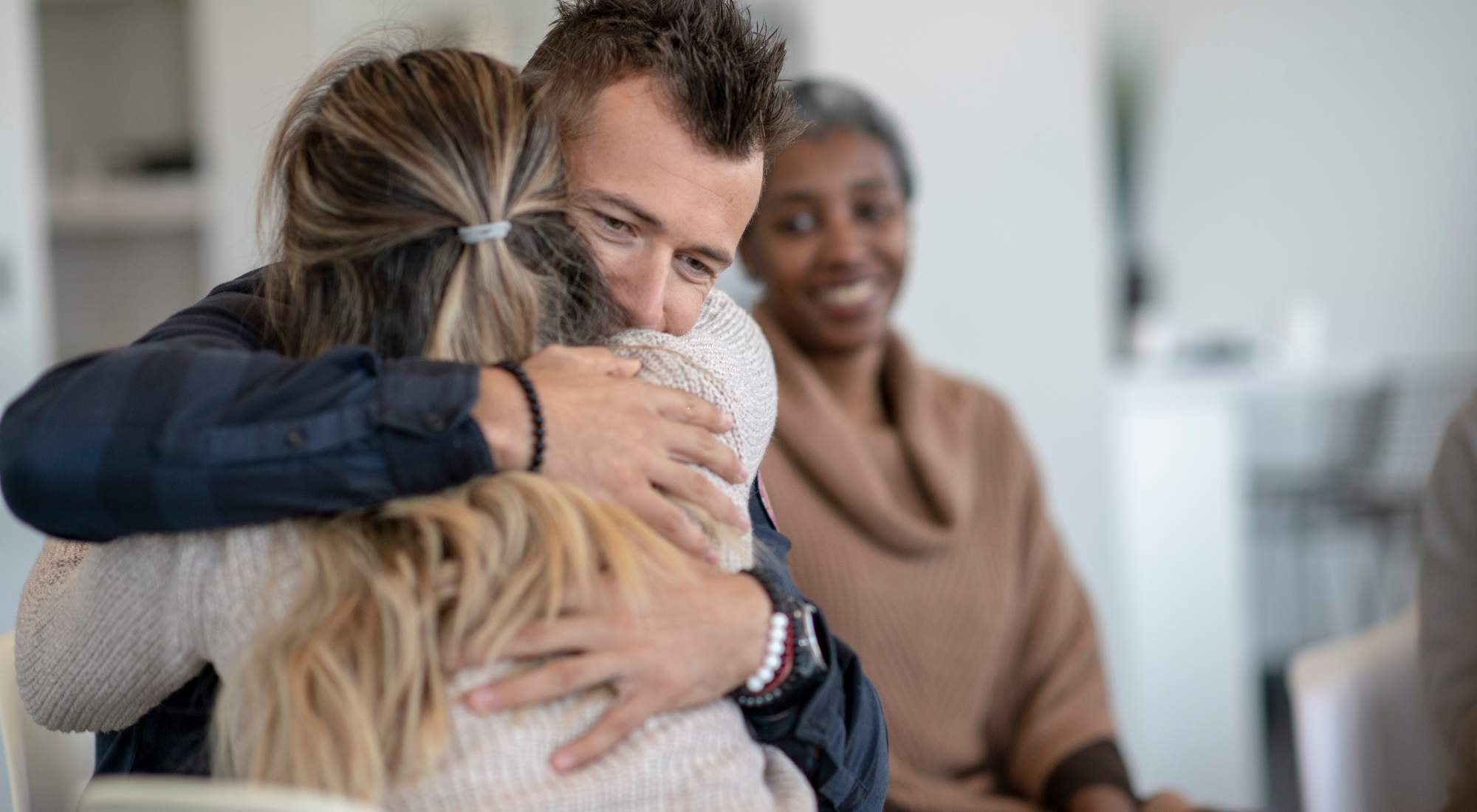
You’ve seen your loved one struggle with addiction for a long time. It’s been incredibly painful, and you’ve done everything you can to help, but it’s not enough.
Rehabilitation from drugs or alcohol often requires more than what a loved one alone can provide. It’s a complex process that calls for the support of experienced professionals. Thankfully, you’re aware of that — and now, they’ve finally agreed to give rehab a try.
But now you’re both wondering: what is rehab like for drugs, and what can you expect from the experience?
The good news is, the best rehab centers offer support before, during, and after treatment, so the entire family feels safe, involved, and confident in the process — and, most importantly, in the recovery.
In this article, we’ll walk you through what rehab is like for drug addicts, the most common treatment programs, the key principles of recovery, and what people often find to be the hardest part of rehab.
- Why Go to Drug Rehab?
- What Is Rehab Like for Drug Addicts?
- 3 Different Types of Treatment Programs
- Important Principles Emphasized in Recovery
- What Is the Hardest Part of Rehab?
- Drug Rehab at Robin Recovery: Impetus and Guidance for a Life of Freedom From Addiction
Drug rehab helps people successfully manage substance use disorder in the long term. It offers a holistic approach by providing medical care for withdrawal symptoms, therapy to address mental health issues, and education to develop coping skills. Rehab is more effective for people who attend than for those who don’t, in terms of maintaining sobriety.
People go to rehab for various reasons: some go because they are hitting rock bottom and want to change, some because their relationships are deteriorating, others due to concerns from loved ones, some because they haven’t been able to quit on their own, and some because they have relapsed and need help to stop using again.
Rehabilitation might look different depending on the type of program you choose and the treatment principles emphasized by professionals that make it effective. However, many centers follow a similar structure that includes an initial assessment, detox (if needed), a daily routine, therapy to address mental health issues, peer support, and future plans for life after rehab.
.jpg)
#1: Inpatient Rehab
People in inpatient rehab receive residential care through a structured, intensive, and medically supervised treatment plan designed to help them regain the essential functions needed to thrive in society. This type of program is ideal for individuals struggling with substance use disorders, mental health conditions, or a combination of both.
The main objective of inpatient rehab is to help people achieve mental and physical stabilization, receive therapy, develop relapse prevention skills, and detox (if needed).
A wide range of individuals can benefit from inpatient rehab, including adults with substance use issues, teenagers, and those living with mental illness.
A typical day in inpatient rehab may follow a schedule like this:
7:00 a.m. – Breakfast
7:45 a.m. – Meditation
8:30 a.m. – Physical Wellness Training
10:00 a.m. – Behavioral Health Group
11:00 a.m. – Relapse Prevention Group
12:00 p.m. – Lunch and Reflection Time
1:00 p.m. – Nutrition and Wellness Group
2:00 p.m. – One-on-One Therapy
3:00 p.m. – Expressive Therapies in Recovery
4:00 p.m. – Therapeutic Community Group
5:00 p.m. – Dinner
6:30 p.m. – Recovery Meeting
7:30 p.m. – Clean & Sober Structured Activities / Recreation
10:00 p.m. – Lights Out
#2: Outpatient Rehab
People involved in outpatient rehab participate in non-residential treatment during the day, allowing them to continue attending work, school, or other responsibilities.
The primary goal of outpatient rehab is to support individuals in recovering from substance use disorders, mental health challenges, or both — without significantly disrupting their daily routines.
Outpatient rehab is best suited for people with moderate addiction, those transitioning from inpatient care, working professionals, and individuals with co-occurring disorders.
A typical outpatient rehab schedule may look like this:
9:30 a.m. – Process Group Therapy
11:00 a.m. – Cognitive Behavioral Therapy
12:30 p.m. – Lunch
1:30 p.m. – Psychoeducation
3:00 p.m. – Dialectical Behavior Therapy
#3: Partial Hospitalization Program
A Partial Hospitalization Program (PHP) is more intensive than other outpatient care but less restrictive than inpatient treatment. It provides treatment during the day while allowing patients to return home each night.
The main goal of PHP is to serve as a bridge between inpatient and outpatient care, helping individuals prepare for a more independent and stable life.
Recently discharged inpatient clients, people experiencing mental health crises, and those who need a structured environment while still living at home can benefit greatly from a PHP.
A typical day in a Partial Hospitalization Program includes group and individual therapy, educational workshops, skill-building sessions, and medical support.

Establishing a Routine
Establishing and sticking to a routine is an important principle in recovery because it builds discipline and accountability and provides structure. Following a routine also helps reduce triggers and unstructured free time, reinforces new habits, lowers the risk of relapse, and supports both physical and mental health.
Rehab programs help you incorporate routines into your life from the moment you arrive. While in rehab, you’re encouraged to follow a daily schedule and take part in structured activities. You’ll also learn how to manage your time more effectively and how to build healthy, lasting habits. By the time you complete treatment, you will have gained practical tools you can apply to life after rehab.
Challenging Yourself
Challenging yourself is a guiding principle in rehab because, more often than not, you’ll discover that part of you resists the very change you’re trying to make. Rehab may challenge you to face reality, make amends with others, take responsibility, build new habits, and create an entirely new lifestyle. You need to be ready to face these challenges and to commit to the effort it takes to gain your freedom.
Being in rehab supports you through these challenges by placing you in a structured, supportive environment where you’re encouraged to practice honesty, maintain routine, confront difficult emotions, and develop healthier coping strategies. At Robin Recovery, we provide exactly that kind of atmosphere so you can thrive during and after recovery.
Tapping Into Community Support
One of the most compelling principles in rehab is recognizing that you have support around you from different people and institutions within your community. While you may feel tempted to self-isolate during low points, you’ll learn how to reach out to the right people, whether professionals or trusted friends. You’ll also develop positive social circles, strengthen peer connections, and build strategies to access community support programs when you need help.
Although withdrawal symptoms and detox are very difficult parts of rehab, the hardest challenge is adjusting to life without the drugs you’ve depended on. Drug dependency impacts every aspect of your life: your emotions, daily routines, relationships, and even your sense of identity.
This adjustment requires time, patience, support, new coping skills, rediscovering your purpose, and redefining how you approach relationships.
.jpg)
Learning How To Cope With Stress and Trauma Without Drugs
Apart from getting and staying sober, rehabilitation also means learning how to cope with stress and trauma without relying on drugs. This takes time, effort, patience, and bravery — it’s not easy to confront and manage these challenges.
In rehab, you can learn to identify and avoid harmful behaviors while addressing the underlying reasons for your addiction. Professionals, such as therapists and counselors, are there to support you throughout this process.
Finding Purpose and Satisfaction in a Drug-Free Life
It’s common for people who have finished rehab to feel a need for purpose in life. Living a new life without drugs and alcohol can be challenging, and managing cravings, anxiety, stress, and old friends adds pressure and uncertainty.
Rehab helps you develop new life skills, encourages healthy habits, and supports you in building a strong recovery network. Additionally, you can explore new hobbies and interests, such as yoga, exercise, art, music, reading, and meditation, while in rehab. Learning to enjoy these activities will be valuable for managing boredom, cravings, and old friendships.
Redefining How You Relate to People
A crucial part of recovery is developing healthy relationships and social networks that both support you with love and hold you accountable.
While you’re in rehab, you’ll learn to communicate your feelings and thoughts more effectively and thoughtfully. You’ll also discover that it’s okay to trust others and that vulnerability is a natural part of being human. To heal your relationships, you’ll be encouraged to make amends with those you’ve hurt in the past. Although this process can take a year or more, it’s a vital part of your overall recovery.
At Robin Recovery, our team of experts specializes in addiction recovery and treatment. We offer tailored therapy and treatment programs designed to support real progress. We're ready to walk with you as you rediscover your strength and reclaim your life. If you or someone you care about needs rehab, don’t hesitate to reach out — we’re here to help.