
How To Rebuild Trust After Addiction: Healing Relationships and Restoring Connection

Trust is one of the casualties of addiction. It rarely disappears all at once; instead, it erodes through broken promises, hidden truths, missed opportunities, and the pain that addiction leaves in its wake. Whether the damage has affected family, friends, partners, or colleagues, rebuilding trust can feel like an uphill climb.
The good news is that trust can be restored. While the process is neither quick nor easy, recovery offers the opportunity to create something stronger than what existed before: relationships built on honesty, accountability, and genuine change. Rebuilding trust is about showing, day after day, that your actions reflect your commitment to lasting recovery.
In this article, we’ll explore why trust is so difficult to rebuild after addiction and the practical steps that can help repair relationships over time. Recovery is about more than overcoming substance use. It’s about restoring connection, rebuilding credibility, and proving through consistent actions that change is real.
Table of Contents
- 9 Essential Steps Toward Rebuilding Trust After Addiction
- Do Relationships Last After Rehab?
- Take the Next Step Toward Healing and Rebuilding Trust With Robin Recovery
9 Essential Steps Toward Rebuilding Trust After Addiction
Rebuilding trust after addiction is often one of the most difficult parts of recovery because the effects of substance use can deeply damage relationships. Addiction may have left loved ones feeling betrayed by actions including:
- Lying
- Broken promises
- Neglected responsibilities
- Financial problems
- Hurtful words
Family members and friends may have experienced ongoing stress, emotional turmoil, and disappointment as they watched the addiction unfold, and some may even have felt compelled to hide or make excuses for your behavior.
As a result, trust and connection can take a long time to restore, but the steps that follow are an excellent place to start for renewal and healing.
Robin Recovery is here for you to help build relationship bridges that may have been damaged. Our family therapy is designed to address issues causing stress to mend family connections that result in stronger and healthier relationships.
#1: Establishing Stability in Recovery
Lasting trust is restored through consistent actions that show your commitment to change. Maintaining sobriety, actively participating in treatment, and following your recovery plan demonstrate that recovery is a genuine priority.
Loved ones are often looking for evidence of long-term change, such as:
- Attending therapy or support meetings
- Avoiding people and situations linked to past substance use
- Maintaining healthy daily routines
- Building positive habits
- Participating in family therapy when appropriate
#2: Accepting Full Accountability Without Defensiveness
Accountability means taking full responsibility for the choices and behaviors that damaged your relationships without making excuses or minimizing their impact. While a sincere apology can help begin the healing process, trust is rebuilt through consistent actions that demonstrate a genuine commitment to recovery. Loved ones need to see that you are willing to own your mistakes, honor your commitments, and remain accountable even when recovery is challenging in ways like:
- Attending regular support group meetings
- Maintaining open communication with a sponsor or counselor
- Following your treatment plan as recommended by your care team
- Checking in with family members honestly and consistently
- Discussing setbacks openly instead of hiding them
#3: Making Consistency Your New Standard
Consistency demonstrates that your commitment to recovery is genuine. Rather than relying on promises alone, focus on showing up, following through, and behaving reliably every day by:
- Attending recovery meetings
- Keeping therapy appointments
- Maintaining healthy routines
- Meeting your work, family, and financial responsibilities
As loved ones begin to see predictable, positive behaviors over time, they gain confidence that your recovery is stable. Trust grows through consistent actions that prove you are dependable and committed to rebuilding your life.
With various outpatient treatment options, Robin Recovery provides the support you need while still allowing you to maintain a healthy lifestyle and routine. Call today to take your first steps on your recovery journey.
#4: Owning the Damage Without Minimizing It
Acknowledging the hurt your addiction caused shows empathy, accountability, and a willingness to repair damaged relationships. Rather than offering a vague apology, take responsibility for the specific ways your actions affected others, whether through:
- Emotional pain
- Broken trust
- Financial hardship
- Strained relationships
Have honest conversations with loved ones, listen to their experiences without becoming defensive, and avoid making excuses or shifting blame. A sincere apology carries more meaning when it is paired with a genuine understanding of the impact your addiction had on those around you. By validating their feelings and recognizing the pain they endured, you create a foundation for open communication, healing, and the gradual restoration of trust.
#5: Rebuilding Communication Slowly and Honestly
Open, transparent communication helps reduce fear, ease uncertainty, and create emotional safety for loved ones who may have experienced secrecy or isolation during active addiction. Rather than waiting until problems arise, make a habit of checking in regularly, sharing your recovery progress, and being honest about challenges as well as successes. This doesn’t mean revealing every thought or struggle, but it does mean choosing honesty over secrecy and remaining available when loved ones need reassurance. Listening to their concerns, expressing gratitude for their support, and participating in family therapy can strengthen communication and rebuild connection.
#6: Respecting Boundaries Set by Others
Complying with boundaries demonstrates respect for your loved ones’ healing process. Family members and friends may need time, space, or clear limits as they work through the pain caused by addiction.
Rather than viewing these boundaries as rejection, recognize them as healthy measures that protect emotional well-being and support recovery for everyone involved. This may include limiting certain conversations, discussing triggers, setting expectations, or allowing distance when needed.
Honoring these boundaries without pressure or resentment shows that you value your loved ones’ needs and are committed to creating healthier relationship dynamics. As trust grows over time, boundaries may naturally evolve, but respecting them consistently helps lay the foundation for lasting healing and stronger relationships.
#7: Demonstrating Change Through Action, Not Words
While apologies and good intentions matter, trust is restored through consistent behaviors like the following that show your commitment to recovery:
- Staying sober
- Following your treatment plan
- Keeping appointments
- Attending support meetings
- Honoring your commitments
- Taking responsibility for your actions
Loved ones are likely to pay close attention to whether your actions match your words, especially in the early stages of recovery. Every time you follow through on a promise or meet a responsibility, you reinforce your reliability and integrity.
#8: Engaging in Ongoing Recovery Support
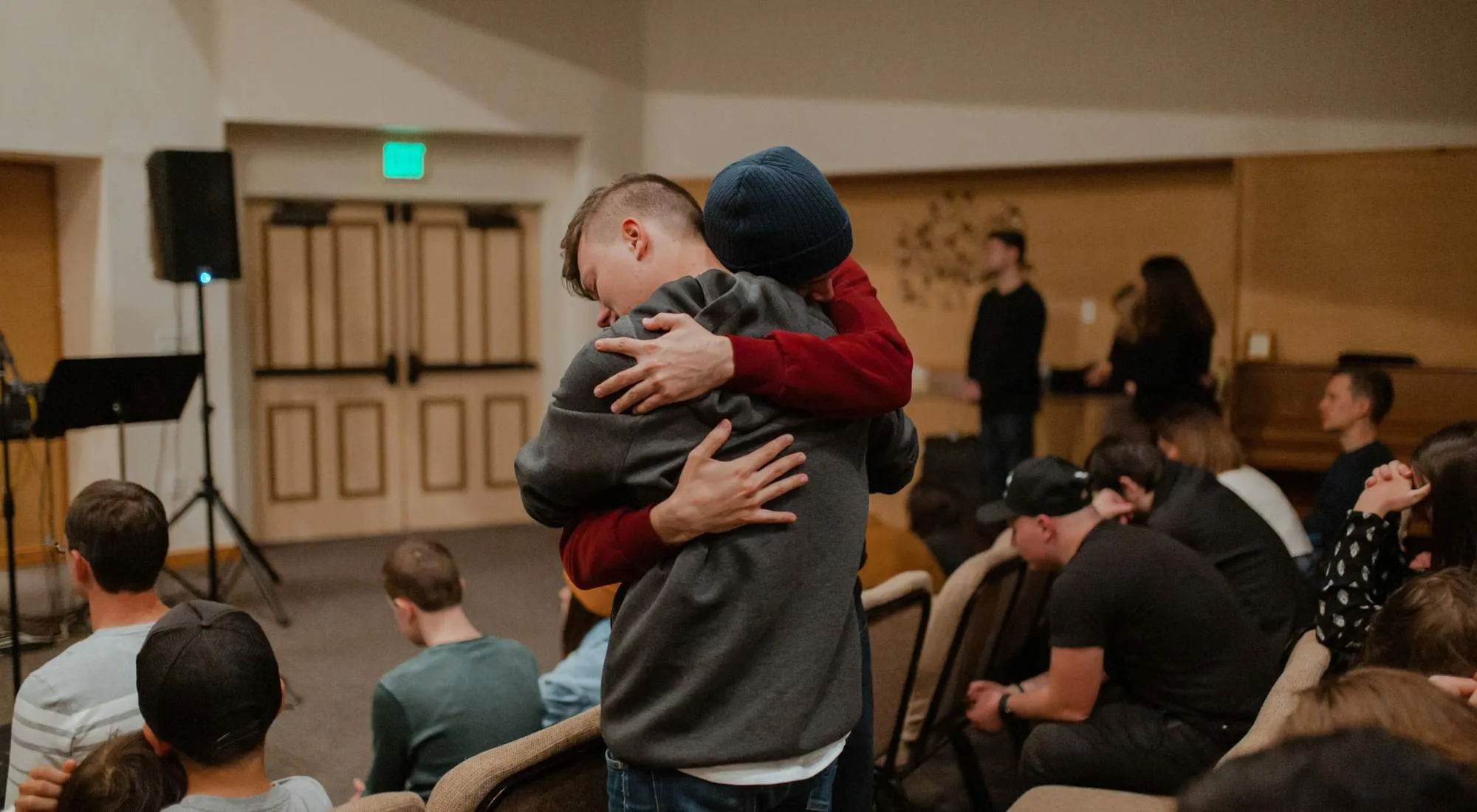
Actively participating in treatment, attending therapy or counseling appointments, joining support groups, and following through with aftercare all show loved ones that recovery is a long-term priority. Building healthy routines around sleep, nutrition, and physical activity, while developing a strong peer support network, also reinforces your dedication to lasting change.
Family or couples therapy can be especially valuable, providing a safe environment to address unresolved emotions, improve communication, and rebuild damaged relationships.
#9: Practicing Patience With the Healing Process
Rebuilding trust after addiction requires patience, as healing does not happen overnight. Loved ones may carry emotional pain from the past, and it is important to recognize that forgiveness and renewed trust develop at different rates for each person. Rather than expecting immediate acceptance, focus on consistently demonstrating honesty, accountability, and commitment to recovery through your actions. Giving others the time and space they need to process their emotions shows respect for their healing journey while reinforcing your dedication to change.
Trust is rebuilt gradually through repeated positive experiences, not promises alone. As time passes, painful memories can begin to fade and be replaced by healthier experiences and renewed confidence in the relationship. Patience benefits everyone involved by creating an environment where forgiveness can occur naturally, communication can improve, and stronger, healthier bonds can develop.

Do Relationships Last After Rehab?
Yes, relationships can last after rehab. It will take commitment from all involved, and relationships often look different than they did before addiction. Recovery gives couples, families, and friends the opportunity to rebuild their relationship on a healthier foundation through trust, honest communication, and mutual commitment.
Both parties play an important role:
- The person in recovery must remain dedicated to sobriety.
- The other person may also need to heal from past experiences and let go of unhealthy patterns.
Professional support, such as couples or family therapy, can help address unresolved issues and improve emotional connection. It is also important to have realistic expectations, as rebuilding a relationship takes time and patience.
Take the Next Step Toward Healing and Rebuilding Trust With Robin Recovery
Addiction affects more than one person; it impacts the entire family. At Robin Recovery, healing extends beyond the individual through comprehensive, evidence-based treatment that includes dedicated family therapy.
Our family program helps loved ones rebuild trust, strengthen communication, improve problem-solving skills, and better understand the challenges of addiction in a supportive, therapeutic environment.
Through a combination of individual and family sessions, everyone has the opportunity to process past hurts, establish healthier boundaries, and work together toward lasting recovery.
Robin Recovery also offers personalized outpatient treatment, including:
- Detox
- Partial Hospitalization (PHP)
- Intensive Outpatient (IOP)
- Counseling services
All of these services ensure every client receives care tailored to their unique needs.
Recovery is strongest when families heal together, and Robin Recovery is committed to helping individuals and their loved ones build healthier relationships that support lifelong sobriety and lasting emotional wellness.