
Rewiring Cravings: The Buzz Around Ozempic and Alcohol Use Disorder
Evenings start with a promise to keep it to one. By the second drink, that promise is already fading.
For some, it feels less like a choice and more like a pull. A quiet, persistent urge that shows up at the end of a long day, in moments of stress, or even without warning. It can be confusing. Frustrating. Exhausting.
Recently, a new conversation has entered the picture. Medications like Ozempic, originally used for other health conditions, are being talked about in a different way. Some are asking whether they can help quiet those constant cravings.
In this article, we’ll take a closer look at what’s behind that discussion. We’ll dive into how Ozempic works, what it may mean for alcohol use disorder, and where real, personalized support still matters most.
Table of Contents
- What Is Ozempic?
- The Scientific Link Between Ozempic and Alcohol Cravings
- 5 Potential Benefits of Ozempic for Alcohol Use Disorder
- Things To Consider Before Trying Ozempic for Alcohol Use Disorder Treatment
- Ozempic and Alcohol Use Disorder: FAQs
- Seek Proven Alcohol Use Disorder Treatment at Robin Recovery
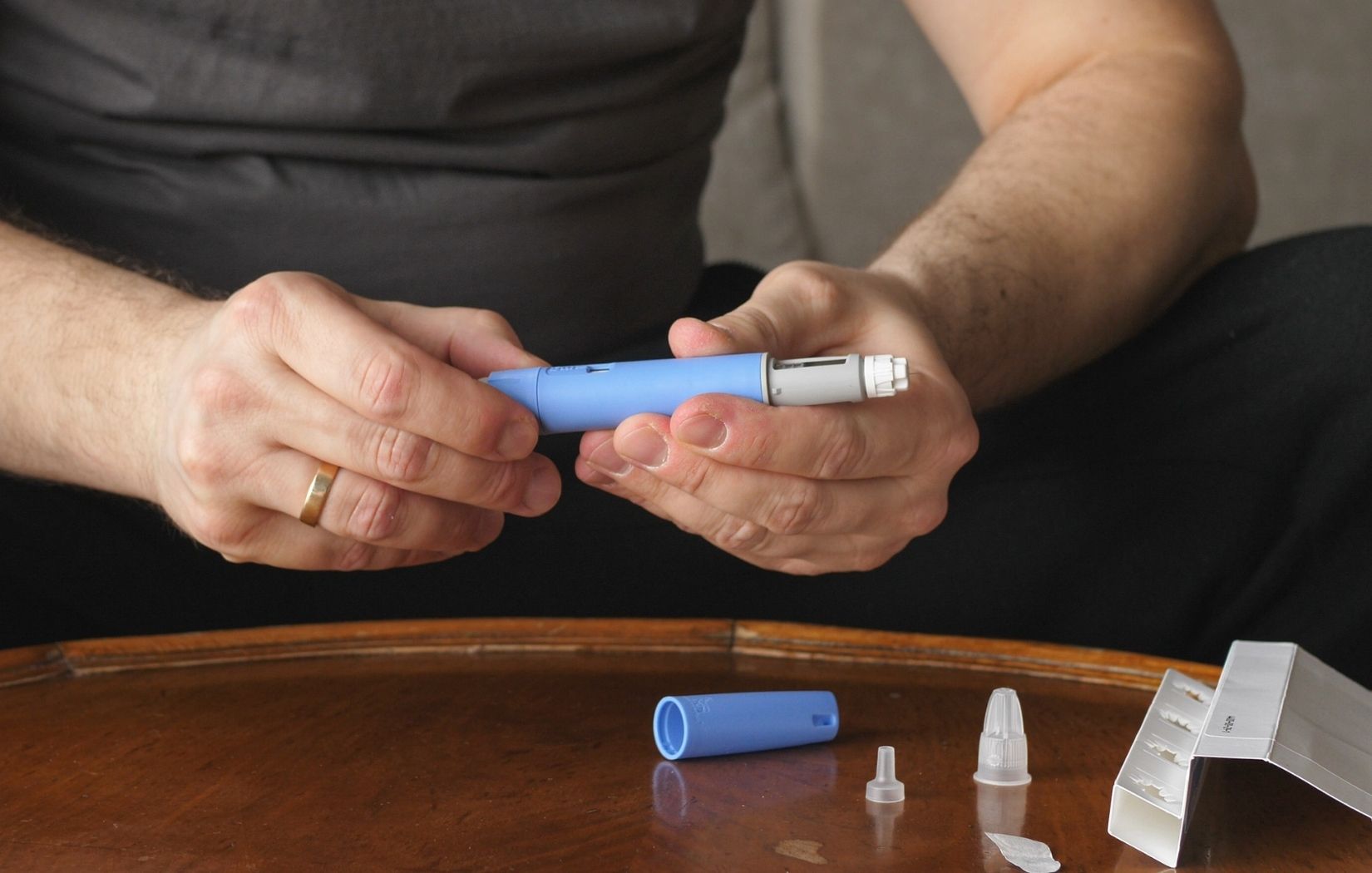
Ozempic is a brand name for semaglutide, a medication originally developed to treat type 2 diabetes.
It works by mimicking a natural hormone that helps regulate blood sugar, slow digestion, and reduce appetite. Because of these effects, it is also commonly prescribed for weight management in certain individuals.
Ozempic is typically used by adults with type 2 diabetes or those struggling with obesity, under the guidance of a medical provider. It is given as a weekly injection and is part of a broader treatment plan that may include diet, lifestyle changes, and ongoing medical care.
Is Ozempic Used To Treat Alcoholism?
Some early studies suggest Ozempic may help reduce alcohol cravings by affecting brain pathways tied to reward and appetite. However, research is still limited, and it is not a standalone treatment. Seeking professional guidance is the safest way forward, and Robin Recovery in Columbus and Cleveland can connect you with personalized support and resources.
While Ozempic shows promise, it is not approved by the FDA specifically for alcohol use disorder. Treatment for alcoholism usually involves counseling, behavioral therapies, and structured programs. Medications like Ozempic may be considered in research settings or as part of a broader, supervised treatment plan.
At Robin Recovery, trained clinicians prioritize comprehensive care, ensuring anyone struggling with alcohol use gets the support and guidance they need, whether through outpatient programs, partial hospitalization, or counseling tailored to individual needs.
Research has found that semaglutide, the active ingredient in Ozempic, acts on brain pathways tied to reward, appetite, and dopamine. In studies, weekly semaglutide injections reduced alcohol cravings, drinks per drinking day, and some heavy drinking measures compared with placebo, though more research is needed.
Preclinical studies in animals and real‑world data also show lower alcohol intake and craving among people taking semaglutide or similar drugs, and some reports suggest semaglutide users feel less desire to drink.
Because this research is early and the medication is not approved specifically for alcohol use disorder, professional treatment remains the most proven path for lasting recovery and managing the complex factors behind addiction.
How Ozempic Affects the Brain and Addiction
Semaglutide (the active ingredient in Ozempic) acts on glucagon‑like peptide‑1 (GLP‑1) receptors not only in the gut but also in key brain regions involved in reward and addiction, including the ventral tegmental area (VTA), nucleus accumbens (NAc), and prefrontal cortex. These areas help regulate dopamine, a chemical messenger tied to pleasure, reward, and craving.
By activating GLP‑1 receptors in these circuits, semaglutide appears to dampen dopamine signals that reinforce rewarding experiences like eating or drinking alcohol. This may reduce the motivational pull toward addictive behaviors and dampen cravings, as shown in animal studies and early human research.
While this mechanism makes semaglutide interesting as a potential tool for reducing alcohol cravings, it is still being studied and is not a substitute for established, comprehensive treatment approaches grounded in clinical evidence and professional support.
#1: Reduced Cravings & Consumption
Early research shows semaglutide can reduce alcohol craving and lower the amount of alcohol people drink in controlled trials, with participants consuming less and reporting fewer heavy drinking days. These findings support further study but are not yet definitive treatment recommendations.
#2: Reduced Alcohol Intoxication
Large observational analyses suggest GLP‑1 agonists like semaglutide are linked to lower incidence and recurrence of alcohol use disorder diagnoses and fewer hospital admissions related to intoxication, pointing to potential protective patterns in real‑world populations.
#3: Decreased Brain Reward Pathway
Semaglutide influences reward‑related brain circuits tied to dopamine and alcohol cue reactivity. By dampening these signals, it may reduce the reinforcing sensation of alcohol that fuels ongoing use.
#4: Possible Liver Protection
Preclinical research indicates GLP‑1 receptor agonists may reduce liver damage by altering alcohol metabolism and lowering toxic metabolites, which could lessen stress on the liver with heavy consumption, though human data are limited.
#5: May Support Relapse Prevention
Studies have found associations between GLP‑1 use and reductions in relapse‑related outcomes, including fewer heavy drinking days and improved markers of alcohol‑related harm, hinting at potential support for sustained behavior change.
While early research and anecdotal reports make Ozempic’s potential benefits for reducing alcohol cravings sound promising, this is not a recommendation to use it for this purpose. Consider the following:
- Common side effects include nausea, vomiting, diarrhea, constipation, abdominal pain, and injection site reactions. Some may experience more serious effects such as pancreatitis or severe gastrointestinal distress.
- Risks of combining with alcohol include increased nausea or vomiting, higher risk of dangerous hypoglycemia, pancreatitis, dehydration, and worsened gastrointestinal side effects.
- Ozempic is not FDA-approved to treat alcohol use disorder. Its use for this purpose is experimental and should only be considered under medical supervision.
- Professional guidance is essential and only a healthcare provider can evaluate whether any potential benefits outweigh the risks and provide safe monitoring.
How Does Ozempic for Alcohol Use Disorder Compare to Other Alcohol Treatment Options?
Ozempic is still experimental for alcohol use disorder, whereas several FDA-approved medications have established effectiveness:
- Naltrexone reduces alcohol cravings and the rewarding effects of drinking.
- Acamprosate helps maintain abstinence by stabilizing brain chemistry after quitting.
- Disulfiram creates unpleasant reactions if alcohol is consumed, supporting abstinence.
Behavioral therapies and counseling remain essential components of recovery. Robin Recovery offers outpatient care, partial hospitalization programs, and individualized counseling that address the psychological and behavioral aspects of alcohol use disorder.
Comprehensive treatment that combines therapy, structured programs, and medically supported interventions continues to be the most proven path for long-term recovery.

Does Ozempic Affect Your Alcohol Tolerance?
Yes. It is considered possible that Ozempic can lower alcohol tolerance and lead to faster intoxication. By slowing gastric emptying and altering brain reward signals, it can make alcohol hit harder and satisfy cravings with smaller amounts.
Who Should Avoid Alcohol While Taking Ozempic?
People taking Ozempic should be especially cautious with alcohol. In particular, risks can be high for the following people:
- Those with a history of pancreatitis
- Individuals with severe gastrointestinal issues
- People with unstable blood sugar levels
- Anyone using Ozempic primarily for weight management
Combining alcohol with Ozempic can increase side effects and health risks, so professional guidance is strongly recommended.
Should Ozempic Replace Traditional Alcohol Use Disorder Treatment?
No. Ozempic should not replace established care. FDA-approved medications, therapy, and structured programs such as those offered by Robin Recovery remain the first-line, evidence-based approach for treating alcohol use disorder.
If you or a loved one is struggling with alcohol use, professional support is the most reliable path to recovery. Robin Recovery, with locations in Columbus and Cleveland, offers personalized treatment plans, outpatient programs, partial hospitalization, and counseling to guide you safely toward lasting change.