
Your Liver on and off Alcohol: Organ Function Maintenance
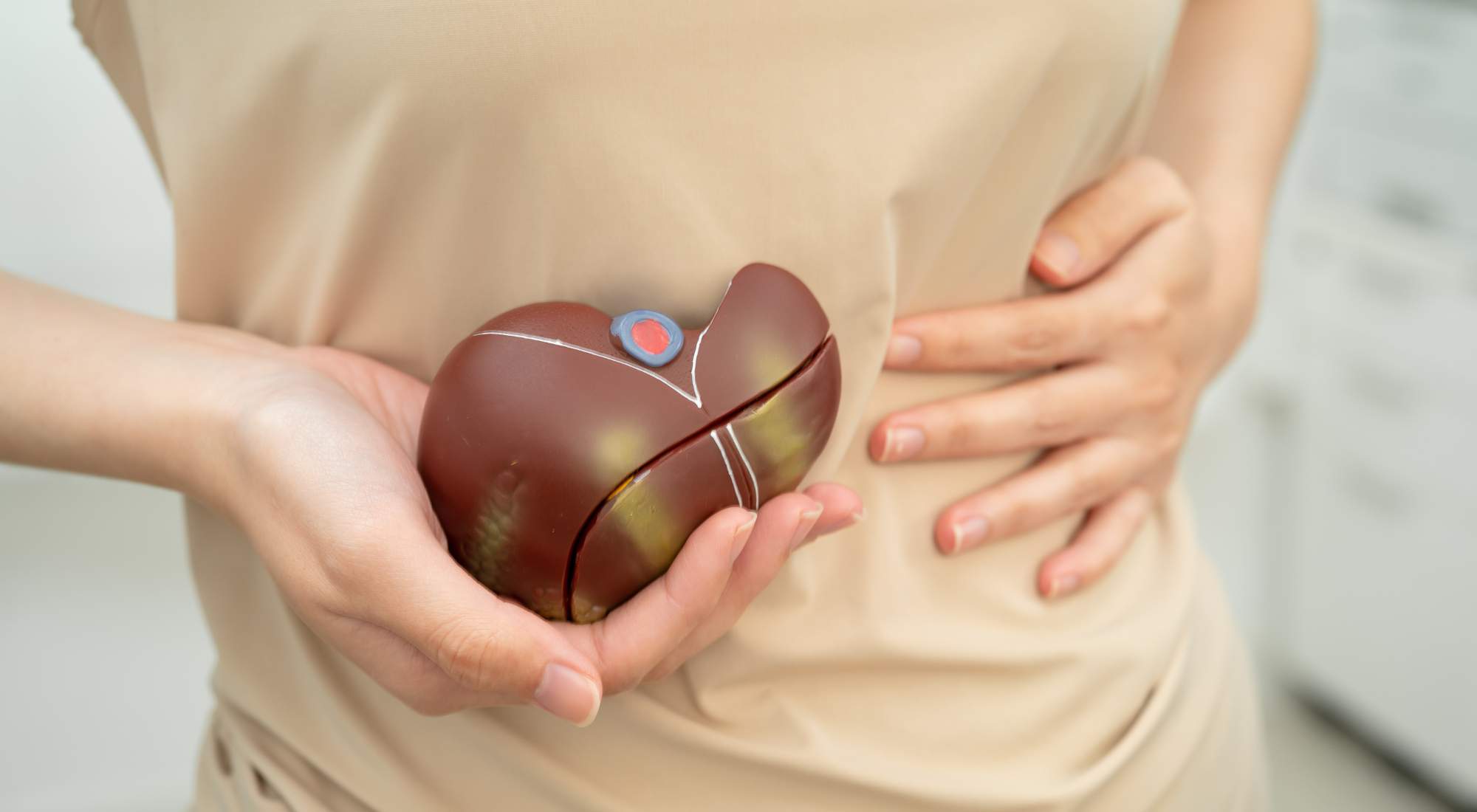
At first, your symptoms might seem like nothing. They might be easy to ignore or to explain away. You are just tired. You aren’t as hungry as you used to be. You feel some discomfort, but only some of the time.
Alcohol-related liver disease develops over time. The symptoms can be easy to overlook, but something serious is happening in your body.
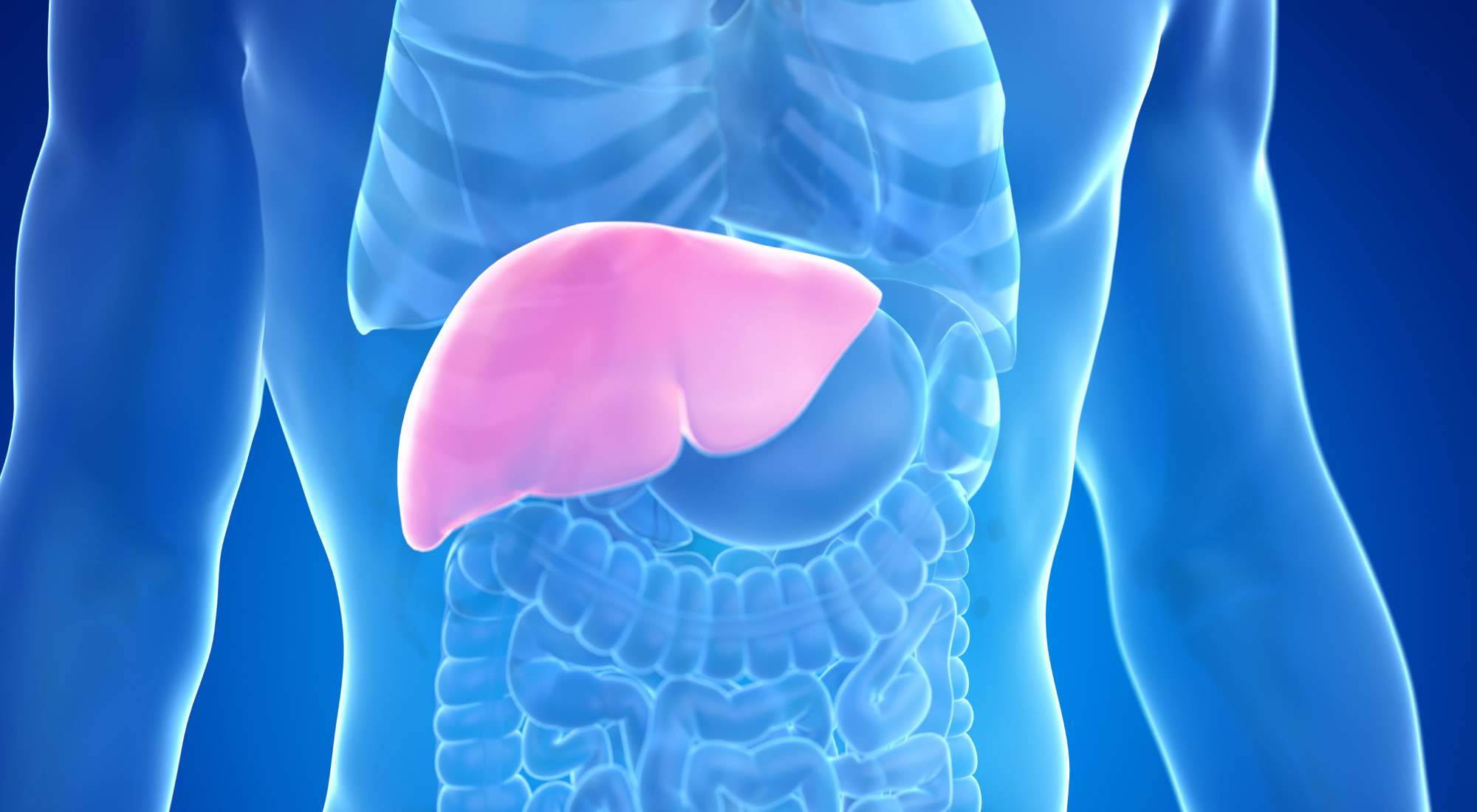
The liver moves from stages of inflammation to irreversible damage.
This article will help you understand the stages, recognize symptoms, and learn what other factors can influence your liver health, while also offering insight into ways your liver can begin to detox and heal.
Table of Contents
- How Long Does It Take Your Liver To Heal After You Quit Drinking?
- What Are the Four Warning Signs of a Damaged Liver?
- 3 Stages of Alcohol-Related Liver Disease
- What Other Factors Determine How Long It Takes for the Liver To Heal Itself?
- What Can I Do To Help My Liver Heal?
- Robin Recovery: Supporting Liver Health by Treating Alcohol Addiction
How Long Does It Take Your Liver To Heal After You Quit Drinking?
In short, the liver begins to start healing itself almost immediately when you abstain from drinking. However, the recovery process can take weeks, months, or even years to complete, depending on the severity of the damage.
In the early days and weeks of recovery, liver inflammation will decrease, and cells will begin to regenerate. If you have a fatty liver or other conditions like alcoholic hepatitis, these conditions may show improvement over the course of several months.
Severe damage like cirrhosis usually has lasting effects, such as scar tissue, but restraining yourself from consuming alcohol for months or even years can lead to improvement in your liver function.
If you are ready to help your body detox and your liver begin to heal, Robin Recovery is ready to assist with our recovery programs and proven management methods. Take the first step toward recovery today.
What Are the Four Warning Signs of a Damaged Liver?
Much of the damage that occurs to your liver stems from excessive alcohol use. The main symptoms of a damaged liver include jaundice, ascites, bleeding, and confusion, which are explained in detail below.
- Jaundice: Drinking alcohol causes a build-up of bilirubin in the blood. It is a sign of significant liver damage and can be recognized by a yellowing of the skin and the whites of the eyes, dark urine, pale stool, tiredness, nausea, abdominal pain, and fever.
- Ascites: An abnormal amount of fluid builds up in the abdomen that can be caused by liver disease or cirrhosis. Characteristics include abdominal swelling, rapid weight gain, fatigue, and shortness of breath.
- Bleeding: Liver damage causes bleeding because the organ can’t produce enough proteins for the blood to clot properly. Liver scarring also causes the blood to flow into smaller veins, increasing the potential for them to burst. Symptoms include excessive and easy bruising, bloody vomit or stool, and bleeding of the nose or gums.
- Confusion: When the liver is damaged, it is unable to filter toxins from the blood, which can then enter the brain. As a result, people can experience mood swings, cognitive impairment, and profound confusion.
3 Stages of Alcohol-Related Liver Disease
Alcohol-related liver disease is defined as liver damage that occurs as a result of long-term, excessive alcohol consumption. But how long does it take for your liver to heal from such damage?
How long it takes for the liver to repair itself depends on the extent of the damage. The following are the stages of alcohol-related liver disease in order of severity:
#1: Fatty Liver
Fatty liver is known as the earliest stage of alcohol-related liver disease. In this stage, excess triglycerides build up in liver cells, which prevents the liver’s metabolism from functioning properly and causes fat to accumulate.
It is usually diagnosed by tests, as there are not always outward symptoms. In some cases, there may be abdominal pain, tiredness, or weight loss. The main treatment for fatty liver is giving up alcohol and allowing the liver to heal itself. In most cases, fatty liver can be reversed within a few weeks after abstaining from alcohol.
#2: Alcoholic Hepatitis
Alcoholic hepatitis is the second stage of alcohol-related liver disease that occurs as a result of long-term, heavy alcohol consumption. The toxic byproducts of alcohol create damage in the liver, such as the death of tissues.
Symptoms include jaundice, abdominal pain and swelling, loss of appetite, nausea, fever, and even liver failure. The damage to the liver is much more severe in this stage and requires immediate abstinence from alcohol.
If a case is very mild, not drinking may be enough for the liver to heal, but in severe cases, medications and special nutrition requirements are necessary for the liver to improve. The damage may not be completely reversible.
#3: Cirrhosis
Cirrhosis is the last and most severe stage of alcohol-related liver disease. Long-term, heavy alcohol consumption causes significant scarring in the liver. As a result, blood flow is restricted, and the liver cannot function properly. If left alone, it can cause liver failure, cancer, and death.
Symptoms include:
- Fatigue
- Weight loss
- Yellow skin and eyes
- Fluid build-up in the abdomen
- Loss of appetite
- Confusion
It can also lead to complications like:
- High blood pressure
- Infections
- Kidney failure
- Higher risk of cancer
Completely stopping alcohol immediately is the first step toward treatment. Scar tissue cannot be corrected at this stage, but abstinence from alcohol prevents the liver from sustaining more damage.
High-calorie, low-sodium, nutritious diets are necessary to reverse malnutrition caused by improper liver function. Medications may be prescribed to manage toxin levels, lower blood pressure, reduce the risk of bleeding, and reduce fluid build-up.
What Other Factors Determine How Long It Takes for the Liver To Heal Itself?
The severity of alcohol-related liver disease impacts the healing process, but there are other factors that influence the damage that has been done to the liver, including:
How Much and How Often You Consume Alcohol
The risk of liver damage significantly increases when consuming alcohol regularly or in large quantities, such as:
- 3 or more drinks a day for men
- More than two drinks a day for women
- Binge drinking 4–5 drinks within 2 hours
- Long-term consumption, 5–10 years
Chronic, heavy drinking, 12 or more drinks a day, puts your body at even more risk of liver damage and potentially failure. The more that you drink, the faster the damage occurs.
It is important to limit the amount of alcohol you consume, as well as give yourself several days a week without drinking alcohol, to provide the liver with time to heal and prevent long-term damage.
Your Age and Weight
When the body ages:
- Metabolism decreases
- Liver enzymes are less efficient
- The liver is less resilient
- The body contains less water
As a result, more alcohol remains in the bloodstream, the liver can’t break down toxins as well, and damage is accelerated.
A person’s weight can quicken and amplify the damage caused by alcohol consumption to the liver. Obesity already causes fat to build up. Drinking alcohol on top of that causes even more fat accumulation in the liver, which accelerates the damage.
Obesity puts the body at higher risk of inflammation and cirrhosis, as well as the risk of mortality due to liver disease.
Limiting alcohol combined with maintaining a healthy weight is necessary to prevent liver disease.
Underlying Health Conditions
People with underlying health conditions are at significantly higher risk for liver damage related to alcohol.
These conditions may include:
- Obesity
- Metabolic syndrome
- Diabetes
- Viral hepatitis
- High blood pressure
- HIV
- Hemochromatosis
- Fatty liver disease
These make alcohol’s toxicity worse for the body and accelerate the damage to the liver. If you have one of these conditions, it is recommended to avoid alcohol to prevent liver damage.
What Can I Do To Help My Liver Heal?
The most significant step in healing your liver is eliminating alcohol. It is important not to cave in to social pressures to drink, and if you are a heavy drinker, it may be best to wean yourself off of it to give your body time to adjust.
However, the sooner you quit drinking altogether, the sooner your liver can begin healing. Try drinking mocktails or other non-alcoholic drinks if you find yourself dealing with social pressure.
Committing to a healthy diet is also a crucial step in allowing your liver to detox and heal. Liver problems create a nutrient deficit in your body, especially with proteins, vitamins, and calories.
Foods that may help heal the liver include:
- Vegetables
- Fruits
- Healthy fats
- Whole grains
- Coffee and tea without sugar or creamer
- Garlic
- Beets
- Plant-based foods
- Lean protein
While healing takes time, these are vital steps to take to begin the process.
Robin Recovery: Supporting Liver Health by Treating Alcohol Addiction
Take the first step toward detox and recovery with comprehensive care from the team at Robin Recovery. Our evidence-based approaches are designed to address physical, emotional, and psychological needs related to substance abuse.
We offer individualized treatment, a system of support, and therapies to meet you where you are and support your path to recovery. We provide a wide range of programs and services in counseling and therapy to give you personal guidance that is flexible for your schedule.
Contact us today to find out more!