
Raising a Glass, Lowering the Odds: How Alcohol Affects Fertility
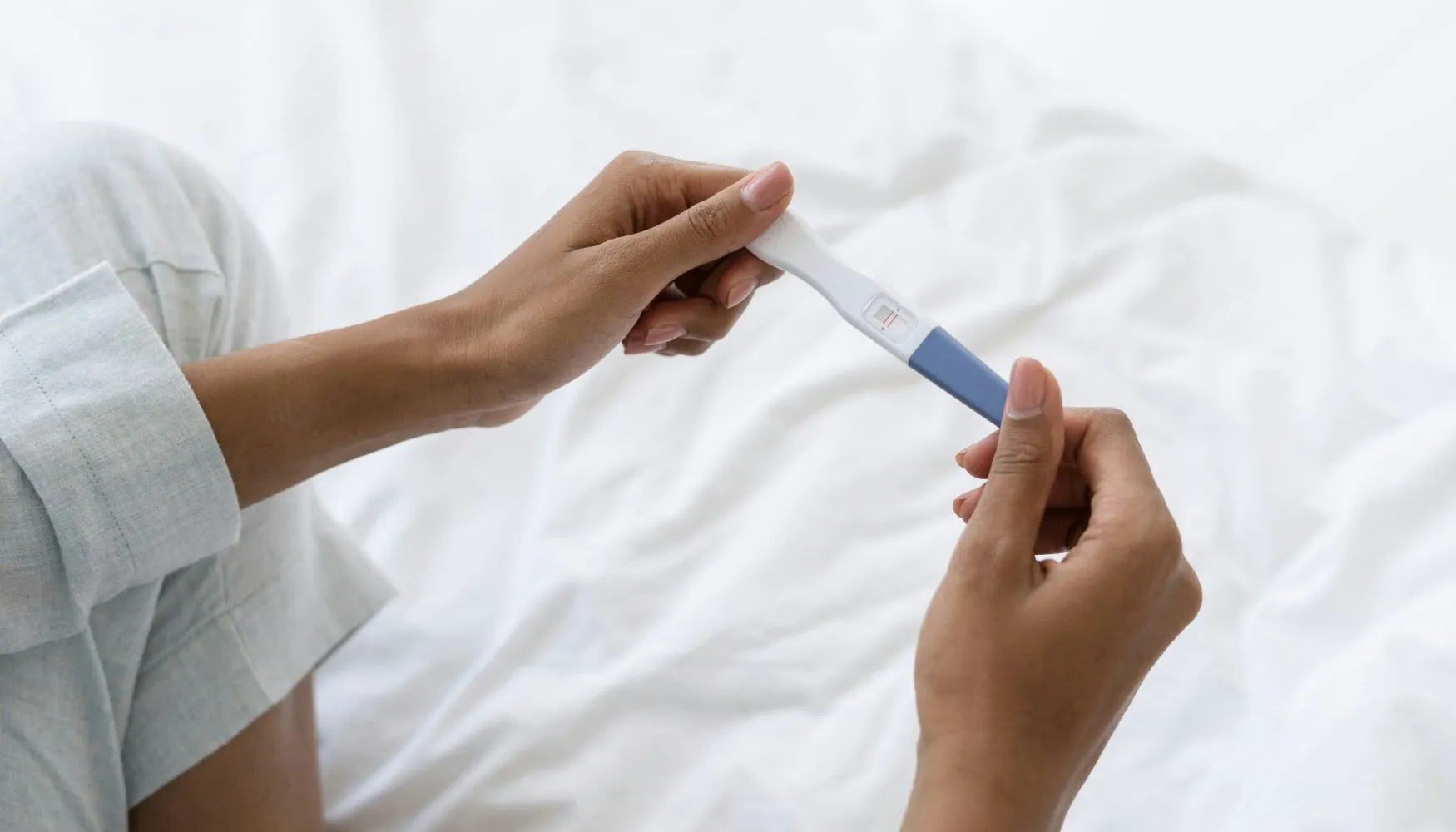
You may have spent years dreaming of the family you would have. If you are actively trying to conceive you may already know that many lifestyle choices can influence your ability to become pregnant.
What you may not realize is that alcohol can affect fertility in both women and men.
Understanding how alcohol may affect your reproductive health can help you make informed decisions as you plan for your family.
In this article, we will discuss how alcohol affects both male and female fertility, including the impact on hormones, egg and sperm health, and the ability to conceive, all of which you should consider if you are trying to get pregnant.
Table of Contents
- How Does Alcohol Affect Fertility?
- How Does Alcohol Affect Fertility in Women? 4 Possibilities
- How Does Alcohol Affect Fertility in Men? 3 Possibilities
- Does Alcohol Increase the Risk of Miscarriage?
- How Long After Quitting Drinking Does Fertility Come Back?
- Is Alcohol Affecting Your Fertility? Seek Professional and Compassionate Care for Alcohol Recovery at Robin Recovery
How Does Alcohol Affect Fertility?
Consuming alcohol, even minimally, can reduce your chances of conceiving. So, how does alcohol affect a woman’s fertility?
Alcohol impacts reproduction in significant ways, including:
- Disrupting reproductive hormones
- Delaying or preventing ovulation
- Factoring into irregular menstrual cycles
- Reducing egg quality
Alcohol consumption can affect both partners. It impacts male fertility by:
- Lowering testosterone levels
- Reducing sperm count
- Impacting sperm mobility
- Causing abnormal sperm shape
The degree to which alcohol impacts fertility depends on other contributing factors, such as:
- Quantity of alcoholic beverages
- Frequency of drinking
- Your age
- Your overall health
- Any underlying fertility issues
Don’t let alcohol get in the way of starting or growing your family. If you are struggling and in need of support, the team at Robin Recovery provides compassionate, personalized care to help you get on the road to recovery.
.webp)
How Does Alcohol Affect Fertility in Females? 4 Possibilities
#1: Disrupts Hormone Balance
Drinking alcohol impacts the delicate balance of hormones in the female body, especially estrogen and progesterone. Alcohol consumption causes estrogen levels to increase, while progesterone levels decrease.
This imbalance can affect your ability to become pregnant by disrupting hormone signaling and the regularity of your menstrual cycle.
Continually elevated estrogen levels can prevent pregnancy by:
- Keeping new eggs from maturing and being released
- Thickening cervical mucus and preventing sperm from going through
- Creating estrogen dominance, which keeps the embryo from attaching
- Preventing the fertilized egg from implanting due to the thickening of the uterine lining
Continually low levels of progesterone can also prevent conception by:
- Causing inadequate development of the uterine lining
- Making the luteal phase of menstruation too short
- Causing poor or absent ovulation
- Increasing the risk of miscarriage
#2: Interferes With Ovulation
Because alcohol affects reproductive hormone levels, it can lead to irregular menstrual cycles.
Even moderate alcohol consumption can affect the regularity of your cycles, affecting when you ovulate. The egg can be delayed or prevented from being released, which makes it difficult to track fertility.
Consistent ovulation is important when trying to conceive because:
- Eggs can only survive for a day.
- You only have a six-day fertile window each month.
- You can predict your fertile window to maximize your chances.
- Reproductive hormones stay balanced.
- Your uterine lining must remain healthy for implantation.
- It reduces the chance of a short luteal phase.
#3: May Reduce Egg Quality
Drinking alcoholic beverages can reduce the quality of your eggs. Alcohol causes oxidative stress, which damages cellular structures.
This damage causes:
- DNA mutation
- An energy shortage that prevents proper egg maturation and division
- Chromosomal abnormalities
- Premature cell aging
- Lower fertilization rates
- Reduced IVF success
Additionally, long-term heavy drinking can affect egg health by:
- Altering reproductive hormones
- Lowering the number of available eggs
- Reducing egg quality
- Creating a higher miscarriage risk
Age is another factor to consider due to the natural decrease in egg quality as one gets older. After the age of 32, small changes that can result in a genetic abnormality can begin. After the age of 38, many eggs become abnormal with chromosomal mistakes, and the risk of miscarriage increases. Adding alcohol to the equation continues to affect egg health and fertility.
#4: Might Shorten Fertile Window
The fertile window for most females is typically six days, the five days before ovulation and the day of ovulation.
When alcohol is introduced, the fertile window may be shortened, making it more difficult to conceive.
Alcohol affects signals to the brain that typically trigger ovulation. Additionally, it interferes with the follicle-stimulating hormone (FSH), preventing the egg from maturing or being released when it should be.
Alcohol consumption also shortens the luteal phase by lowering progesterone, meaning the uterine lining isn’t as ready for pregnancy.
Delayed ovulation and cycle irregularity significantly lower your chances of conceiving during each cycle.
How Does Alcohol Affect Male Fertility? 3 Possibilities
#1: Reduces Sperm Quality
Just as alcohol impacts female fertility, it also affects male fertility, including the quality of sperm produced.
Alcohol consumption impacts semen on a physical and cellular level by:
- Reducing the amount of semen during ejaculation and per millimeter
- Causing misshapen sperm with bent heads or short tails
- Creating oxidative stress
- Damaging DNA inside sperm
- Causing weak membranes, resulting in poor mobility

#2: Alters Hormone Levels
Drinking alcohol also impacts male hormones, which in turn affects fertility.
Alcohol interferes with the brain’s signals for hormone production. As a result, the amount of reproductive hormones is impacted in the following ways:
- Reduction of testosterone
- Increase in estrogen
- Reduction of luteinizing hormone
With hormone production altered, the chances of conception are reduced because sperm production and health are reduced.
#3: Interferes With Sexual Function
Alcohol may lead to problems with sexual function as well, such as:
- Erectile dysfunction: Due to dehydration, blood vessels are constricted, which prevents the penis from filling with blood to get or keep an erection.
- Reduced libido: Alcohol slows brain activity, which makes it harder to receive arousal signals.
- Delayed or impaired ejaculation: Alcohol numbs nerve endings and slows brain signals, which can delay, prevent, or cause premature climax.
Does Alcohol Increase the Risk of Miscarriage?
Drinking alcohol may be a factor in miscarriage. Studies have shown that women who consume alcohol during pregnancy are at greater risk than those who abstain.
While there is a risk for any amount of alcohol consumed, each drink beyond five a week puts the pregnancy at even higher risk of loss. Studies have shown that the risk goes up as much as 6% per drink.
Because of the adverse effects of alcohol on a pregnancy, it is recommended to quit drinking if you are actively trying to conceive, and if you find out you are expecting.
How Long After Quitting Drinking Does Fertility Come Back?
It can take anywhere from one to three months of abstaining from alcohol to bring back your fertility.
Due to the hormone disruption caused by alcohol, it can take one to three menstrual cycles for hormones to be stable, eggs to mature, and for your cells to get rid of oxidative stress.
For men, it takes between 70 and 90 days for sperm production to regenerate and mature. It is recommended to abstain from alcohol for at least three months for alcohol-induced damage to clear and for normal functionality to return.

Is Alcohol Affecting Your Fertility? Seek Professional and Compassionate Care for Alcohol Recovery at Robin Recovery
Are you or your partner struggling to conceive due to alcohol consumption?
Our compassionate team at Robin Recovery can help you find peace and support through your recovery journey. We offer evidence-based care approaches with flexible, individualized programs.
Let us help you take the first step in recovery so that you can have the family you’ve been dreaming of. Reach out today!