
At Franklinton Farms, Fresh Food Grows for the Next Neighbor
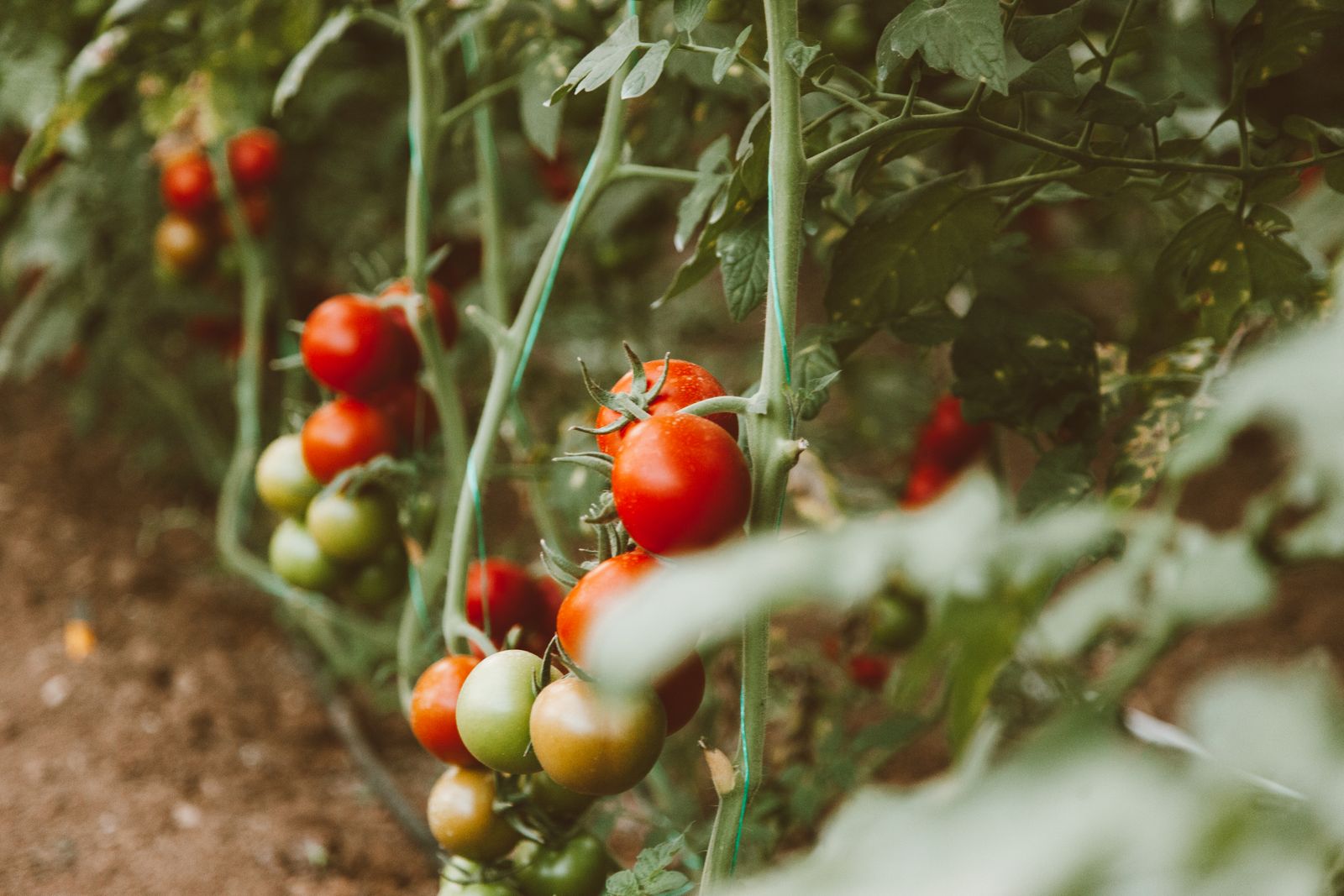
At Town and Martin streets, a neighborhood garden offers fresh food and a simple invitation: take what you need and leave the plants for others.
A Brighter World · Columbus & Whitehall edition
Illustrative garden photograph; not Franklinton Farms or its U-Pick garden. ROMAN ODINTSOV / Pexels. Image source.
At the corner of Town and Martin streets in Columbus, a small instruction carries a big idea: take what you need, and leave the plants for the next person. It is the guiding rule at Franklinton Farms' free U-Pick Garden, where neighbors can harvest vegetables, herbs, and flowers from a shared plot beside the organization's main office.
Many ways of receiving food ask people to accept what has already been packed for them. A U-Pick garden offers a different experience. Visitors can see what is growing and choose what fits a meal, a taste, or a curiosity. The garden does not solve every barrier to fresh food, and harvests depend on the season. Its invitation is still concrete: food grows here, and neighbors are welcome to share it.
Where is the Franklinton Farms U-Pick Garden?
Franklinton Farms places the garden at Town Street and Martin Street, next to its main office in Franklinton. The organization says its team plans, plants, and cares for the neighborhood plot. Vegetables, flowers, and herbs grow together there, giving visitors more than one reason to look closely at what is in season.
The location matters to the story. This is not an abstract campaign about nutrition; it is a specific piece of land in a Columbus neighborhood. The work of keeping it available happens close to the people invited to use it. For a resident walking by, the garden also makes the food system visible. A plant has leaves, soil, and a season before it becomes an ingredient.
The farm's page describes the garden as free and open to everyone. It asks visitors to take what they need so others can enjoy it, and not to remove whole plants. That small restraint is what allows a shared resource to stay shared. A harvested herb or vegetable can be used today; a living plant can continue producing for later visitors.
A little guidance for first-time harvesters
Not everyone arrives knowing which leaves are ready or how to pick without damaging a plant. Franklinton Farms addresses that through free supported U-Pick experiences, where staff offer tools and tips, help visitors identify what is growing, and explain harvesting and storage. The organization's page lists these sessions as seasonal. Check the current U-Pick page for a staffed-session schedule before planning a visit.
That guidance turns a garden into a place to learn as well as gather food. The point is not to make a visitor prove expertise before taking part. Someone can ask what a crop is, try harvesting it, and leave with a little more confidence for next time. Someone else may simply pick a familiar ingredient. Both ways of using the space fit the invitation.
Gardens require unglamorous work: preparing beds, watering, weeding, replacing tools, and knowing when crops are ready. The free harvest is possible because people do that work repeatedly. Franklinton Farms' request to leave whole plants in place recognizes the same truth. What one visitor does affects what the next neighbor finds.
Why this belongs in a recovery Journal
A Brighter World is a place to notice community projects that offer connection and possibility beyond treatment settings. The U-Pick Garden is one of those projects. It does not claim to treat addiction, and Robin Recovery is not presenting itself as its organizer or partner. The story is about a Columbus group creating an accessible, everyday place for neighbors to share fresh food and practical knowledge.
For someone building a new routine, a nearby community space may be one pleasant part of a day. For another visitor, the appeal is simply a tomato, a sprig of herbs, or a chance to show a child how a plant grows. The garden leaves room for all of those reasons without prescribing what the experience should mean to anyone.
Before you go: Read Franklinton Farms' official U-Pick page for location, current conditions, and supported-session details. Contact the farm directly to confirm timing before you visit. For information about Robin Recovery's separate Columbus outpatient addiction treatment, use Robin's own site.
Frequently asked questions
Is the Franklinton Farms U-Pick Garden free?
Franklinton Farms describes the garden and its supported U-Pick experiences as free. Verify current details on the farm's page.
Where is the garden?
The organization places it at the corner of Town and Martin streets in Franklinton, next to its main office.
Can beginners use the garden?
Yes. Franklinton Farms describes supported sessions with staff, tools, and tips for people who want help learning to identify and harvest crops. Session dates can change with the season.
Based on published organizational sources, not interviews or an on-site report by The Recovery Journal. Sources checked October 22, 2026.