
Happy Hour, Unhappy Skin: The Connection Between Alcohol and Acne
.jpg)
You’ve finally gotten your skincare routine under control, but even though you’re doing everything “right” for your skin, you still notice breakouts after a night of drinking. The unexpected sight of those pesky red bumps can be frustrating and confusing, leading you to wonder if there’s a connection between alcohol and acne.
The truth is, alcohol can absolutely play a role in acne. Alcohol affects your skin through many different behind-the-scenes ways.
In this post, we’ll break down how alcohol impacts your body from the inside out, why certain drinks are worse than others, and what you can do to protect your skin and overall health.
- Does Alcohol Cause Acne?
- 5 Ways Drinking Alcohol Can Contribute to Acne
- Does Cutting Out Alcohol Help Acne?
- How To Effectively Minimize Alcohol Consumption To Help Clear Up Your Skin
- Robin Recovery: Comprehensive Alcohol Treatment Program Designed With You in Mind
The short answer is yes, but not directly. Alcohol itself isn’t a pore-clogging ingredient like heavy makeup or comedogenic skincare. It doesn’t “sit” on your skin and create pimples. Instead, alcohol works from the inside out, creating conditions in your body that make acne more likely to form.
Inflammation, excess oil production, and oxidative stress are key factors in acne formation, which helps explain why alcohol consumption can make existing acne worse or trigger new flare-ups even though it does not directly cause acne problems.
When you drink, your body shifts its resources to metabolize alcohol first. That shift can affect how oxygen and nutrients are delivered to your skin and can increase oxidative stress, both of which are known contributors to acne development.
If you’re navigating both acne concerns and the effects of alcohol on your body, comprehensive support can make a difference. Robin Recovery specializes in whole body recovery and wellness strategies that address the effects of alcohol on your body, helping you rebuild balance from the inside out, including better support for your skin through hydration, nutrition, and lifestyle guidance tailored to your sobriety journey.
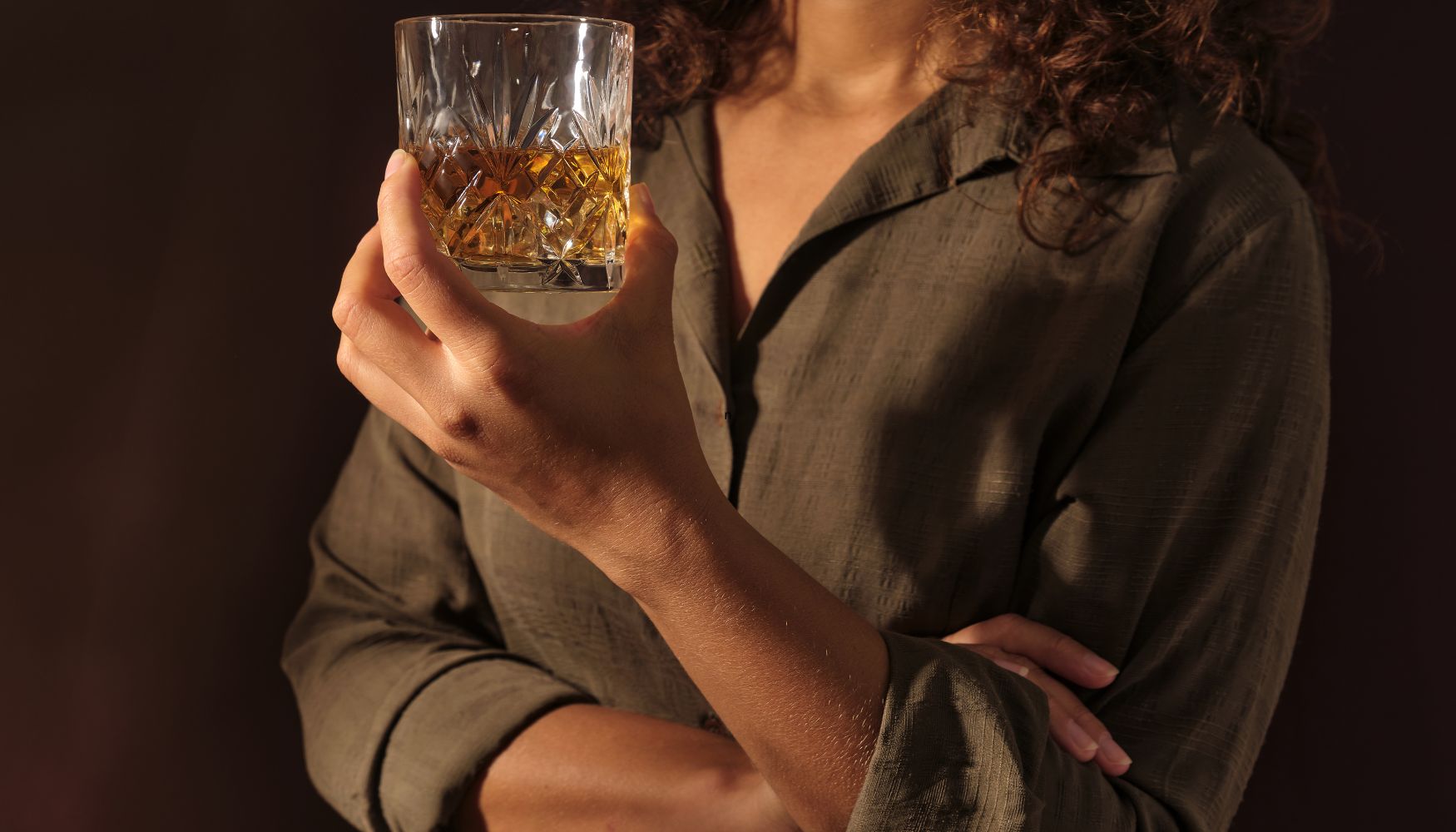
Before a breakout shows up on your skin, a lot is happening beneath the surface. Drinking alcohol can set off a chain reaction inside your body that quietly creates conditions acne thrives in. From dehydration and inflammation to hormone shifts and gut imbalance, these internal changes can make your skin more prone to clogged pores and irritated blemishes.
#1: Causes Dehydration
Alcohol is a diuretic, which means it pulls water out of your body. Your skin feels that loss quickly. You can tell if your skin is dehydrated if it feels tight, dull, or irritated, even when using the same skincare products you always do.
To protect itself, your skin often responds to dryness by producing more oil. This is your body’s way of trying to restore balance, but your body’s attempts at healing itself can be futile. The extra oil mixes with dead skin cells and bacteria, ultimately clogging pores and leading to unsightly breakouts.
Over time, repeated dehydration can weaken your skin barrier. When that barrier is compromised, your skin becomes more reactive and more prone to bouts of acne.
#2: Increases Inflammation
Alcohol increases inflammation throughout your body, and your skin is part of that response. If you already have acne-prone skin or sensitive skin, this inflammatory reaction makes blemishes appear redder, more swollen, and more uncomfortable.
Inflammation also slows down your skin’s natural healing process. This means breakouts can linger longer and may leave behind dark spots or marks after they fade. If you notice your pimples are more irritated than usual after drinking, it’s not your imagination.
When inflammation becomes frequent, particularly because of continued alcohol consumption, your skin can stay in a constant state of stress, which makes it easier for acne to return again and again. If you’re noticing the signs of chronic inflammatory problems because of your drinking habits, Robin Recovery is here to help you restore your overall health free from alcohol.
.jpg)
#3: Disrupts Hormones
Have you ever noticed breakouts popping up in the same spots a day or two after drinking? If your breakouts tend to show up around your chin or jawline, this is an indication that your acne is linked to hormone disruption.
Alcohol can temporarily raise cortisol, your body’s main stress hormone, while also affecting androgens, which directly influences how much oil your skin produces. Even small shifts in these hormones can signal your sebaceous glands to produce more oil than your pores can comfortably handle. That excess oil makes it easier for pores to clog, especially in areas like the jawline, chin, and cheeks where hormonal acne often appears.
Even short-term hormone changes can throw your skin off balance. When this pattern repeats, especially through chronic alcohol consumption, it can make acne feel unpredictable and harder to control.
#4: Weakens Immune System
Clear skin depends on more than just good skincare. Your immune system quietly helps control acne-causing bacteria and supports your skin as it heals. Alcohol can interfere with this process by weakening immune responses.
When your immune system is less effective, bacteria on the skin can multiply more easily. Alcohol can reduce the effectiveness of your immune system’s protective responses, making breakouts appear more frequently and making it harder for your skin to recover.
As a result, pimples may take longer to fade, and new ones may show up before old ones have fully healed, making it feel like your skin never fully clears up. Heavy alcohol consumption can reduce the strength of your immune system over time, leaving your skin stuck in a cycle where blemishes keep forming without time to heal.
#5: Affects Liver Processes
Your skin often reflects what is happening inside your body, especially when your liver is under stress. Your liver is responsible for filtering toxins and waste so they can be removed efficiently. When you drink alcohol, the liver prioritizes breaking that down first and getting it out of your system. Chronic alcohol use and/or binge drinking can make this process less efficient over time. Your liver becomes overworked and cannot effectively process your body’s waste products.
When your body struggles to clear waste, it can set off a chain reaction of internal stress that shows up on your skin as irritation and breakouts. While acne isn’t a result of your body pushing toxins out, impaired liver function can play a supporting role in creating conditions where acne thrives.
Yes, cutting out alcohol can improve acne and overall skin health for many people. Because alcohol contributes to dehydration, inflammation, hormone disruption, and stress on the liver and immune system, removing it often allows the skin to rebalance and heal more effectively.
When you stop drinking, your body no longer has to prioritize processing alcohol. If you’ve been wondering if drinking causes acne, this is where the connection becomes clearer. Hydration levels improve, inflammation can decrease, and hormones can stabilize. These internal shifts often create a healthier environment for your skin, making breakouts less frequent and easier to manage.
If cutting back on alcohol feels difficult or you’re noticing wider impacts on your health, support can make a meaningful difference. Robin Recovery offers compassionate treatment for those ready to explore healthier patterns and restore balance from the inside out, including benefits you may begin to see in your skin.
Do Certain Alcohol Types Affect Your Skin Differently?
Consuming any alcohol can have an adverse effect on your skin. However, the type of drink you choose can change how strongly your skin reacts.
- Sugary cocktails and sweet mixed drinks tend to be the toughest on acne-prone skin. The high sugar content can spike blood sugar and insulin levels, which are linked to increased oil production and clogged pores.
- Beer can have a similar effect due to its high carbohydrate content, especially for people who are sensitive to glycemic swings.
- Wine, particularly red wine, contains histamines and compounds that can trigger flushing and inflammation in some people. Also, red wine contains tannins that can aggravate other skin conditions like rosacea. If you notice redness, warmth in your face, or irritated breakouts after wine, this may be why.
- Clear liquors like vodka or gin mixed with soda water and lime typically contain less sugar and fewer additives, so they may be less likely to trigger noticeable flare-ups. However, they still contribute to dehydration and internal stress, so they are not to be considered “skin safe.”
- Dark liquors like whiskey, bourbon, rum, and brandy often contain higher levels of congeners. Congeners are natural byproducts of fermentation and aging that give these drinks their distinct color, flavor, and aroma. They are also known to place more stress on the body during metabolism and can increase inflammation and dehydration.
Drink in Moderation
If you’re not ready to cut out alcohol completely, reducing how much and how often you drink can still make a noticeable difference for your skin. Moderation helps limit the effects of alcohol that contribute to breakouts.
According to the Centers for Disease Control and Prevention, moderate drinking is defined as up to one drink per day for women and up to two drinks per day for men. Spacing drinks out, alternating with water, and avoiding high-sugar mixers can also reduce the impact alcohol has on your body and skin.
Paying attention to how your skin reacts after drinking can help you set personal limits that feel realistic while still supporting clearer skin.
Seek Professional Help
For some people, cutting back is easier said than done. If you find that alcohol is affecting more than just your skin, including your sleep, mood, relationships, or overall health, it may be time to consider extra support. And that’s perfectly fine!
Speaking with a professional can help you understand your patterns and create a plan that feels manageable and sustainable. Support does not have to mean a drastic change overnight. It can start with small, guided steps toward healthier habits.

If you’ve been wondering if alcohol causes acne, you may have started to see that the answer is more than skin deep. We’ve discussed how alcohol affects:
- Hydration
- Inflammation
- Hormones
- Immune response
- Liver function
All of which can quietly influence how your skin looks and feels.
Addressing alcohol use is not only about improving your complexion. It’s about supporting your whole body so it can function, heal, and rebalance the way it was designed to. When internal stress is reduced, many people notice benefits that show up externally, including clearer, calmer skin.
Robin Recovery offers a comprehensive alcohol treatment program built around your unique needs, goals, and pace. With judgment-free care and personalized support, our team helps you restore balance from the inside out, creating lasting changes that can positively impact your overall health, well-being, and yes, even your skin.
Reach out to our care team today to learn more and start your next chapter in recovery.