
Starting Recovery in Greater Cleveland: Build Your Support Map
Treatment, peer connection, and help with everyday needs do different jobs. Here is a practical way to put them together without turning your first week into a full-time research project.
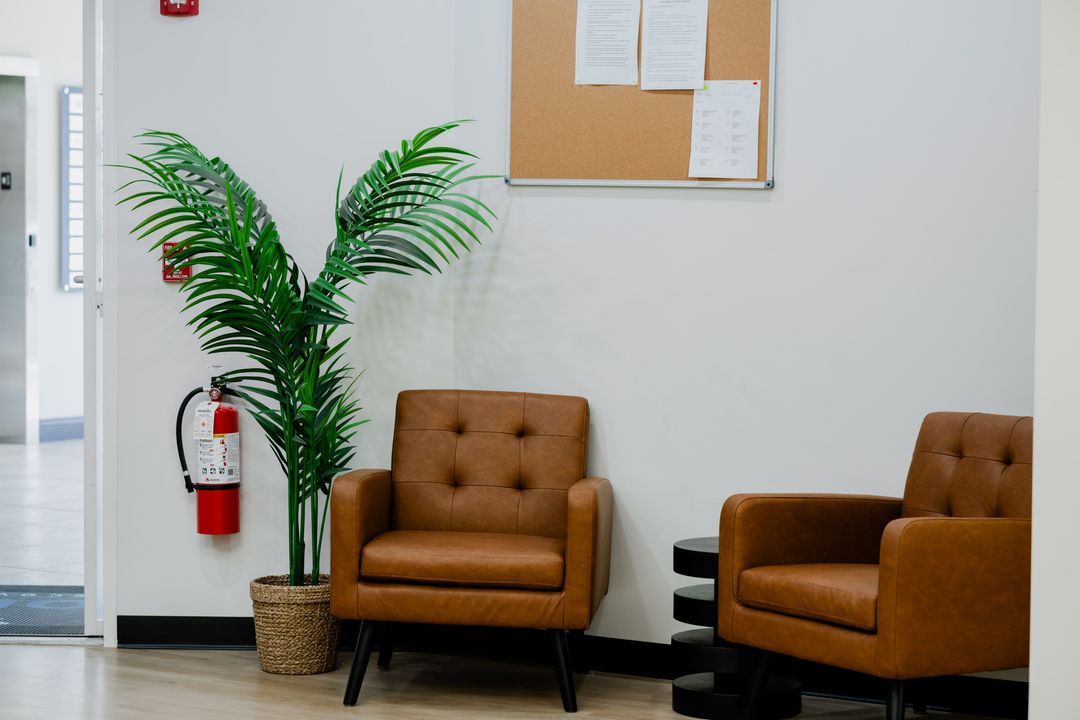
Robin Recovery's Cleveland-area facility in Independence, Ohio. Community resources in this guide are separate organizations. Image source.
“Build a support system” sounds sensible until you are the person expected to build it. Where do you start? A treatment office? A meeting? Someone who can help you get to the appointment?
In Greater Cleveland, it helps to think less about assembling a large network and more about giving a few people and resources clear jobs. A clinician assesses health needs. A peer may understand something you are tired of explaining. A practical resource may help with the problem that would otherwise keep you from showing up.
Call it a support map. It can fit on one sheet of paper. It does not need to look impressive; it needs to be useful on an ordinary, inconvenient Tuesday.
First, identify the questions that need a clinician
Start with health and safety, not a meeting calendar. An assessment can explore substance use, mental-health symptoms, medication, and what level of care is appropriate. When substance use and mental-health disorders occur together, coordinated treatment can address both. NIMH explains why comprehensive assessment matters.
Write the name of the practice you will contact, what you want to ask, and how to follow up. You might need an assessment, help understanding a medication, or advice about symptoms. These are different requests; making yours clear helps the conversation begin.
If you are comparing local options, the ADAMHS Board of Cuyahoga County’s Find Help resources let visitors look for mental-health and addiction services by service, provider, location, or age group. A directory is a starting point, not confirmation that a particular provider has an opening or accepts your coverage. Check directly.
Give peer support a different place on the map
Peer support draws on lived experience of recovery. SAMHSA describes support that can extend beyond clinical appointments into everyday life. It is not the same thing as medical care, and it does not replace an assessment or medication advice. Read SAMHSA’s description of peer support.
There is no requirement to find your permanent community on the first try. You can begin by asking about the format, whether newcomers can listen, and what participation involves. Think about what would help you return—not just what looks available.
For people interested in Alcoholics Anonymous, the Cleveland A.A. meeting finder lists meetings around Greater Cleveland. Use the current listing to check location and format rather than relying on an old screenshot. A.A. is one option, not a requirement for recovery or an endorsement of a particular meeting.
Ask a treatment professional or local service navigator about other peer or mutual-support options if that approach is not a fit. Wanting a different format is useful information, not a failure to participate.
Make everyday needs part of the plan
A person can be committed to getting help and still be worried about groceries, rent, or a utility bill. Those are not distractions from “the real work.” They are the circumstances in which the work has to happen.
United Way 211 Greater Cleveland offers free, confidential referral assistance and serves Cuyahoga County. Its resource categories include food, housing, utilities, healthcare, and substance-use support. You can call 211 or use its website to explore resources. A referral does not guarantee eligibility, funding, or immediate availability.
Before contacting a service, list the specific obstacle: “I need to find a food pantry near this ZIP code,” for example. Ask what documents are required and how to confirm the next step. If you are helping someone else, check what they want shared before explaining their situation.
Try not to fill every blank at once. Resolving one practical barrier may be a more useful afternoon than saving twenty links you do not have the energy to revisit.
Choose people for specific, realistic roles
“Let me know if you need anything” is kind. It is also difficult to act on. Consider translating it into a request small enough that someone can answer honestly.
- “Could you sit with me while I make the first call?”
- “Can we check in after my appointment, without trying to solve everything?”
- “Would you help me work out the route and a backup ride?”
- “If I cancel our plans, could you ask whether I want a shorter visit instead?”
These are suggestions, not assignments for your friends. Ask what they can manage. A person who cannot provide transport may still be able to listen. Someone close to you may not be the right person for every conversation.
Keep your medical questions with a qualified clinician. You should not have to persuade a friend to become an unofficial prescriber or make a partner responsible for supervising possible withdrawal.
Build a one-page version you will actually use
Use four headings. Under each, add one next action rather than an entire directory:
- Clinical care: the practice, your question, and how to reach the right person.
- Peer connection: one meeting or service to investigate, with current access details.
- Everyday needs: the practical issue and the organization you will ask about it.
- Personal support: one person, what you are asking for, and what they agreed to do.
Add a backup where it matters. For a visit in Independence, for example, write down the actual office destination and the travel plan, not just “Cleveland appointment.” Confirm details before setting out. Store the page somewhere private but easy for you to find.
Ask about fit before making assumptions
For clinical services, ask how appointments are arranged, how the team assesses your needs, and what costs or coverage questions need resolving. The NIAAA Treatment Navigator provides a fuller set of questions about treatment quality and fit.
A map is not an emergency plan. If you may be experiencing alcohol withdrawal, seek prompt medical guidance rather than waiting for a routine appointment or support meeting. Call 911 for seizures, severe confusion, or hallucinations. MedlinePlus explains withdrawal warning signs.
Your next step can stay small
Robin Cleveland in Independence provides addiction treatment with care for co-occurring mental-health concerns and medication management when appropriate. Explore the Cleveland location to begin a conversation about assessment and available care. If anxiety is part of the picture, our guide to anxiety and alcohol can help you prepare questions.
You do not need a finished support system before you reach out. One accurate contact, one clear question, and one realistic next step are a beginning.
Sources and resource note
Resources checked October 15, 2026. This is a starting-point guide, not a complete directory or an endorsement of external organizations. Confirm current services, eligibility, accessibility, and availability directly. General education does not replace individualized medical advice.
- NIMH: Finding Help for Co-Occurring Substance Use and Mental Disorders
- ADAMHS Board of Cuyahoga County: Find Help
- SAMHSA: Peer Support Workers for Those in Recovery
- Alcoholics Anonymous Cleveland: Find a Meeting
- United Way 211 Greater Cleveland
- NIAAA Treatment Navigator: Questions to Ask Providers
- MedlinePlus: Alcohol Withdrawal