
Can Drinking Alcohol Cause Cold Feet? The Surprising Link and What It Means for Your Health
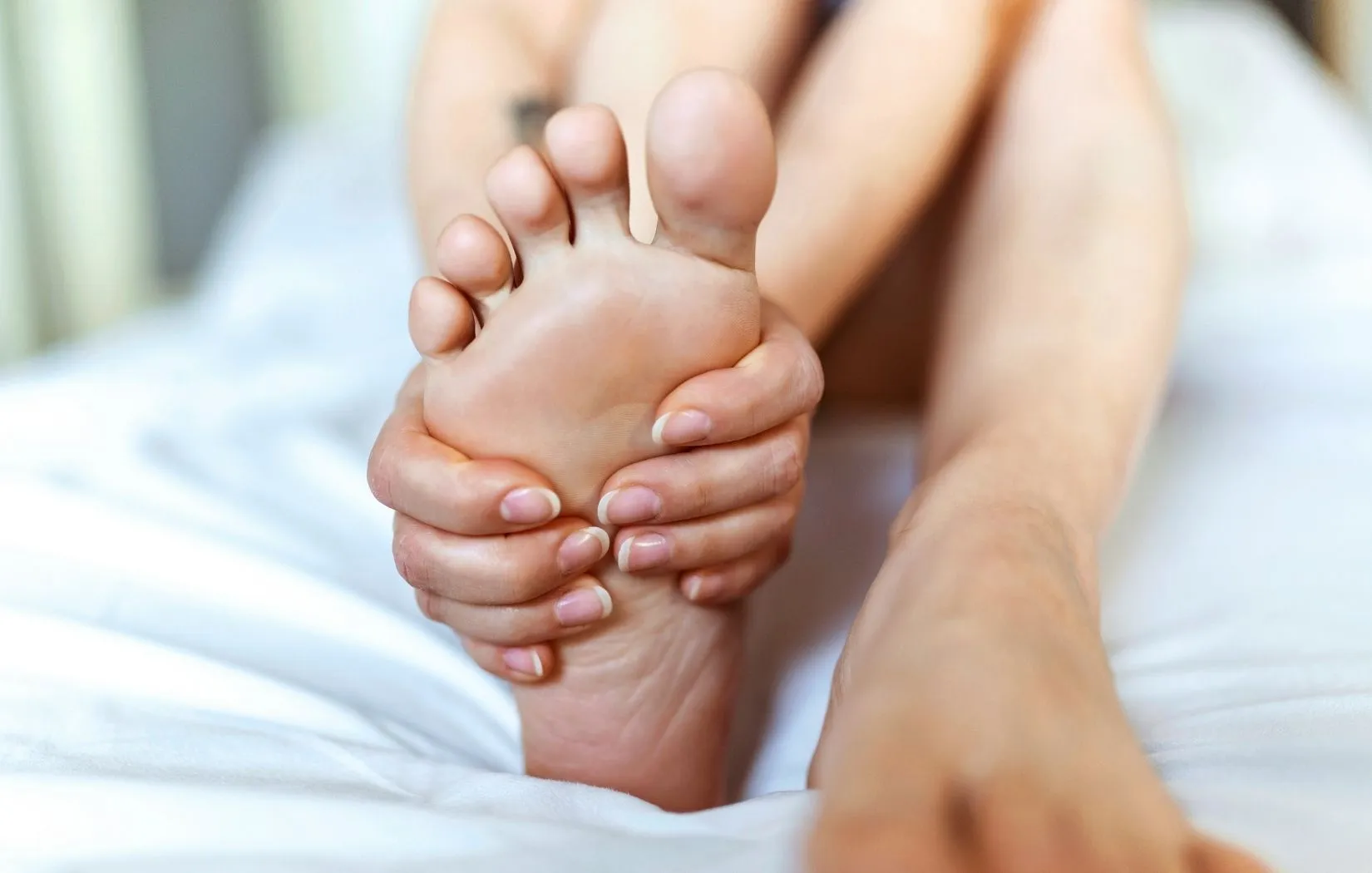
If you’ve ever noticed your feet feeling more than a little chilly after downing a few drinks, you can rest assured it’s not just a figment of your imagination.
While drinking alcohol can provide a temporary buzz of warmth, it actually negatively affects your body’s blood circulation and internal temperature regulation in ways that may leave you wanting to don a pair of toasty wool socks.
Understanding the connection between alcohol and cold feet can help you recognize when it's a harmless side effect and when it may be indicating an underlying health concern.
Here, we uncover how alcohol affects the body’s circulation, nerves, and body temperature, and when those cold feet may signal a deeper health issue.
Table of Contents
- Can Drinking Alcohol Cause Cold Feet?
- Altered Temperature Regulation
- Alcohol-Related Neuropathy
- Commonly Asked Questions About Drinking Alcohol and Cold Feet
- Take the First Step Toward Freedom From Alcohol With Robin Recovery
Can Drinking Alcohol Cause Cold Feet?
Yes, drinking alcohol can cause cold feet, and it happens in two main ways:
- Through a disruption in how your brain regulates body temperature
- Through long-term nerve damage
Robin Recovery offers compassionate alcohol addiction treatment in Columbus, Ohio, from professionals invested in seeing you succeed in your recovery! Contact our admissions team today for more information.
Altered Temperature Regulation
This is the short-term effect.
You may initially feel a warm sensation when drinking alcohol, but since it acts as a vasodilator, alcohol widens your blood vessels and sends warm blood rushing to your skin. This tricks your body, causing it to begin radiating heat outward. Your core body temperature drops, and once the initial flush dissipates, you’re left with cold hands and feet.
Alcohol-Related Neuropathy
This is the long-term effect.
Chronic drinking is toxic to your nerve tissue, and when you drink excessively for an extended period of time, the nerve damage can result in alcoholic peripheral neuropathy. This condition inhibits your body’s ability to send and receive sensory signals, and specifically affects the nerves in your lower legs and feet.
The primary causes of alcoholic peripheral neuropathy are a combination of the toxic effects of alcohol on nerve tissues and the nutritional deficiencies that often go hand-in-hand with continued, heavy alcohol use, including inadequate:
- Vitamin B1 and other B vitamins
- Vitamin E
- Folate
Symptoms of Alcohol-Related Neuropathy
Symptoms of alcoholic neuropathy vary by individual. Some people experience one, while others suffer from multiple symptoms that include:
Symptoms affecting limbs:
- Numbness
- Pins and needles
- Cramps
- Loss of movement
- Muscle atrophy
- Muscle spasms or twitches
- Muscle weakness
Symptoms affecting the bowel and urinary system:
- Constipation
- Diarrhea
- Incontinence
- Urinary retention
Symptoms affecting other areas of the body:
- Difficulty swallowing
- Abdominal bloating
- Dizziness or fainting
- Impaired speech
- Infertility, in people assigned male at birth
- Temperature sensitivity, to heat or cold
- Vomiting or nausea
- Sexual dysfunction, including problems with erections or vaginal lubrication
.webp)
Diagnosing Alcohol-Related Neuropathy
If you’re suffering from neuropathy, being honest with your doctor about how much alcohol you consume will help them make an accurate diagnosis.
Ultimately, the alcohol-related neuropathy is diagnosed through a combination of one or more of the following:
- Blood chemistry test to assess your overall health
- Complete blood count (CBC) to assess your immune function and how much oxygen is traveling through your body
- Nerve biopsy, in which a small sample of nerve tissue is removed and tested for damage
- Nerve conduction velocity test that involves placing electrodes on the skin to measure the speed and strength of your nerve signals
- Neurological examination, which includes a physical exam to test your reflexes, coordination, muscle strength, and sensory function
- Esophagogastroduodenoscopy, in which a thin tube with a camera is passed down your throat to examine the condition of your upper gastrointestinal tract
- Electromyography, where needles are inserted into areas of your skin and muscles to measure electrical activity
- Upper gastrointestinal and small bowel series to assess how well your digestive tract is functioning
- Thyroid, liver, and kidney blood testing to check for vitamin and nutrient deficiencies
Treatment for Alcohol-Related Neuropathy
The most important factor in the treatment of alcoholic neuropathy focuses on quitting or significantly reducing your alcohol intake.
If your alcohol use is severe, your doctor may recommend an inpatient detox. Others may suggest an outpatient rehabilitation center. Additional options for treatment may include:
- Medications for alcohol reduction or cessation maintenance
- Support groups
- Psychotherapy
- Vitamin supplements
- Pain relief medications
- Physical therapy
- Mobility aids
- Occupational therapy
At Robin Recovery, our alcohol addiction rehab program was created to help clients struggling with substance abuse and typically includes:
- Psychotherapy
- Medication management
- Peer support groups
- Other evidence-based therapies
These programs are led by experienced counselors who understand the complexities of substance abuse and can provide the support you need and teach new coping skills to help you on your journey to recovery.
Reach out today to begin your recovery journey.
Commonly Asked Questions About Drinking Alcohol and Cold Feet
Why Are My Feet Cold After Drinking Alcohol?
Alcohol is a vasodilator. Having cold feet after drinking can happen because alcohol causes your blood vessels to widen and push warm blood to your skin’s surface. While you experience temporary warmth, your body is actually losing core heat, reducing blood flow to extremities, including your feet.
Does Alcohol Cause Poor Circulation in the Feet?
Yes. Alcohol dehydrates your body, dilates blood vessels, and affects your heart rate and blood pressure. This causes fluid to pool in your legs and feet, and the restricted blood flow causes swelling, cramping, and achy, heavy legs.
Can Occasionally Drinking Alcohol Cause Permanently Cold Feet?
Not typically. Permanently cold feet are more commonly associated with:
- Heavy, chronic alcohol consumption
- Nerve disorders
- Preexisting circulation issues
- Medical conditions such as diabetes or thyroid imbalances
Will Alcohol-Related Neuropathy Go Away If I Stop Drinking Alcohol?
Ultimately, it depends on the severity of the condition and how long the symptoms have been present. While some people begin to notice improvements within a few months, complete recovery may take several years.

Take the First Step Toward Freedom From Alcohol With Robin Recovery
Robin Recovery's alcohol addiction rehab program delivers personalized, client-specific care. Our treatment programs provide a comprehensive, compassionate approach with medical stabilization and emotional support, and include:
- Intensive outpatient program (IOP)
- Partial hospitalization program (PHP)
- Outpatient programs (OP)
- Detox programs
- Counseling and therapy
Our comprehensive approach to alcohol rehabilitation in Columbus, Ohio, addresses not only the physical aspects of addiction but also the contributing emotional and psychological factors, to help you succeed in recovery and get your life back on track. Take the first step with Robin Recovery today.