
Does Alcohol Cause Pancreatic Cancer? The Hidden Connection You Don’t Want To Ignore

Liver disease. High blood pressure. Stomach ulcers. The list of medical conditions impacted by alcohol misuse could go on and on.
But does drinking affect your pancreas? Can alcohol abuse cause pancreatic cancer?
In this article, we take an in-depth look at the link between alcohol and pancreatic cancer, uncovering the risks, causes, prevention strategies, and where to find the help you need. Understanding this connection could change the way you think about your next sip.
Table of Contents
- Can Alcohol Cause Pancreatic Cancer?
- How Does Alcohol Cause Pancreatitis?
- 6 Alcohol-Related Factors That May Impact the Likelihood of Pancreatic Cancer
- FAQs About Alcohol and Pancreatic Cancer
- Robin Recovery Provides Compassionate, Comprehensive Alcohol Addiction Care in Columbus, OH
Yes, drinking alcohol is linked to an increased risk of pancreatic cancer, especially among those who participate in heavy or long-term drinking. Correlation was especially evident for alcohol intake of at least 30g/day in men and 15g/day in women.
If you or someone you love is ready to put alcohol addiction behind you, the professionals at Robin Recovery can help.
Our comprehensive alcohol addiction treatment program is led by experienced counselors who understand the complexities of substance abuse and can provide the support and instruction you need to succeed in your journey to recovery.
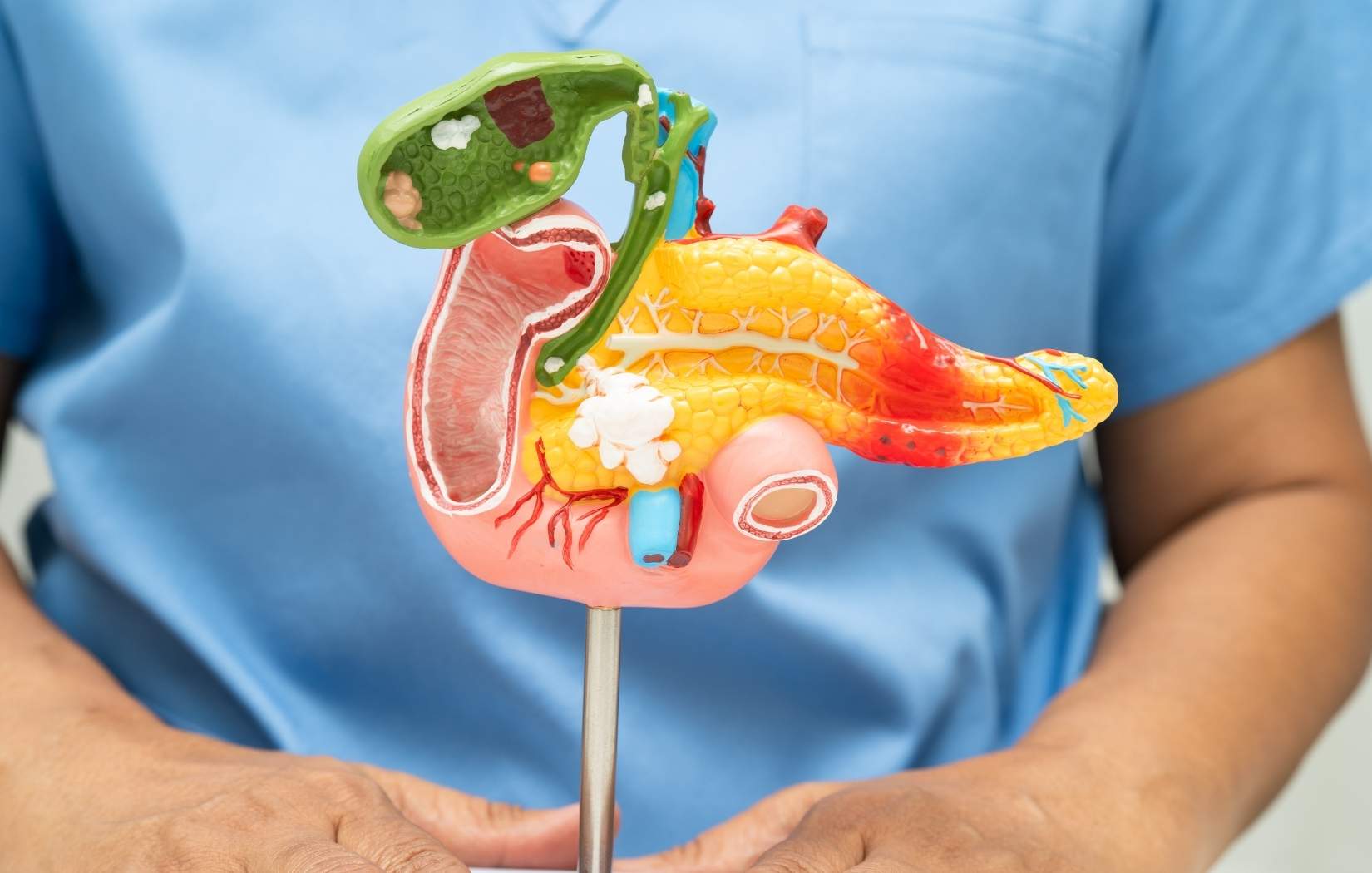
While the effects of alcohol can be seen on many organs within the body, the pancreas is especially impacted by its toxic effects. Heavy or extended alcohol use can lead to pancreatitis, or inflammation of the pancreas. This condition can manifest in two ways:
- Acute pancreatitis is a sudden inflammation that may eventually resolve with proper treatment.
- Chronic pancreatitis is a type of long-term inflammation that results in permanent damage.
When discussing cancer risk, chronic pancreatitis is the problematic form due to the scarring and cellular changes that repeated inflammation causes over time. These increase the likelihood of cell mutations, which are part of the progression of cancer development.
#1: Level of Alcohol Consumption
Medical researchers define heavy drinking as:
- More than 8 drinks per week for women
- More than 15 drinks per week for men
- Frequent binge drinking that involves consuming 4+ drinks for women and 5+ drinks for men in one sitting
Consistently drinking beyond these parameters over many years places you at a higher risk for developing chronic pancreatitis and, ultimately, pancreatic cancer.
#2: Duration of Alcohol Consumption
When it comes to drinking, the important factor is not just how much you drink, but how long you’ve been drinking.
While short-term, heavy alcohol consumption may cause acute damage, long-term drinking that goes on for years or decades significantly increases the risk of chronic conditions.
When the pancreas endures repeated cycles of injury and repair over time, the likelihood of cancer-causing mutations increases.
#3: Type of Alcohol Consumed
While researchers have explored whether wine, beer, or spirits pose differing risks, the majority of evidence points to the ethanol contained in alcohol as the most harmful component. Ultimately, the differences in the type of beverage being consumed are minimal once the total alcohol intake is considered.
#4: Chronic Pancreatitis
As we mentioned above, one of the key links between alcohol and pancreatic cancer is chronic pancreatitis caused by long-term alcohol use.
Chronic pancreatitis results in permanent inflammation and scarring of the pancreas, and creates a high-risk cancer environment by:
- Promoting DNA damage
- Increasing cell turnover
- Altering normal tissue structure
When compared to the general population, individuals who suffer from chronic pancreatitis have a significantly increased risk of developing pancreatic cancer.
#5: Combined Risk
While alcohol consumption is rarely the single contributing factor when it comes to increased cancer risk, its effects are often compounded when combined with other factors, such as:
- Obesity and poor nutrition: Heavy drinking is frequently coupled with unhealthy eating and weight gain, both of which are linked to increased cancer risk.
- Smoking: This is one of the most powerful risk factors for developing pancreatic cancer. People who combine both smoking and heavy drinking incur a much greater risk than individuals who participate in only one of those activities.
- Diabetes: Alcohol can impact the body’s ability to regulate blood sugar. Research reveals a link between diabetes and pancreatic cancer for:
- Individuals over age 50 with a new diagnosis of new-onset diabetes
- Individuals who have had diabetes for more than five years
- Black or Latin individuals
- Individuals with Type 3c diabetes, which indicates a pancreatic issue, such as a tumor.
- Genetics: According to the Pancreatic Cancer Action Network, approximately 10% of pancreatic cancers are hereditary.
#6: Genetics & Metabolism
Genetic variations in some enzymes cause people to process alcohol differently. For example:
- Alcohol dehydrogenase (ADH): Some individuals carry a variant of this gene that leads to rapid alcohol conversion. This turns the alcohol into toxic acetaldehyde at a faster rate than normal, leading to an unusually quick buildup of toxins and faster symptoms of intoxication.
- Aldehyde dehydrogenase (ALDH): This genetic variation leads to slow toxic clearance, particularly those of East Asian descent. It makes it difficult for the body to convert toxic acetaldehyde into harmless acetate, resulting in "alcohol flushing," or a rapid heart rate, flushing, and feeling of nausea.
Can Reducing Alcohol Consumption Lower the Risk of Pancreatic Cancer?
It can, and for those who are already dealing with pancreatitis or other risk factors, avoiding alcohol is of vital importance.
While the pancreas may be able to recover from minor early damage, long-term pancreatic inflammation can result in irreversible changes. This serves to highlight the importance of early lifestyle changes on long-term health outcomes.
Does Occasional Binge Drinking Increase the Risk of Pancreatic Cancer?
Yes. Even occasional bouts of binge drinking can result in:
- The development of acute pancreatitis
- Repeated pancreatic injury
- Chronic inflammation and higher risk of cancer

At Robin Recovery, our alcohol addiction rehab program puts the focus on the individual. Our in-depth treatment programs provide a comprehensive, compassionate approach and include:
- Intensive outpatient program (IOP)
- Partial hospitalization program (PHP)
- Outpatient programs (OP)
- Detox programs
- Counseling and therapy
- Medical stabilization
- Emotional support
Most insurance companies will cover all or at least a portion of the costs associated with alcohol abuse treatment. We’re happy to verify your insurance and determine your available coverage benefits before getting started.
Reach out today to begin reclaiming your life with alcohol addiction treatment from Robin Recovery.