
The Overlap Between Alcohol Use Disorder and Sleep Apnea in Veterans
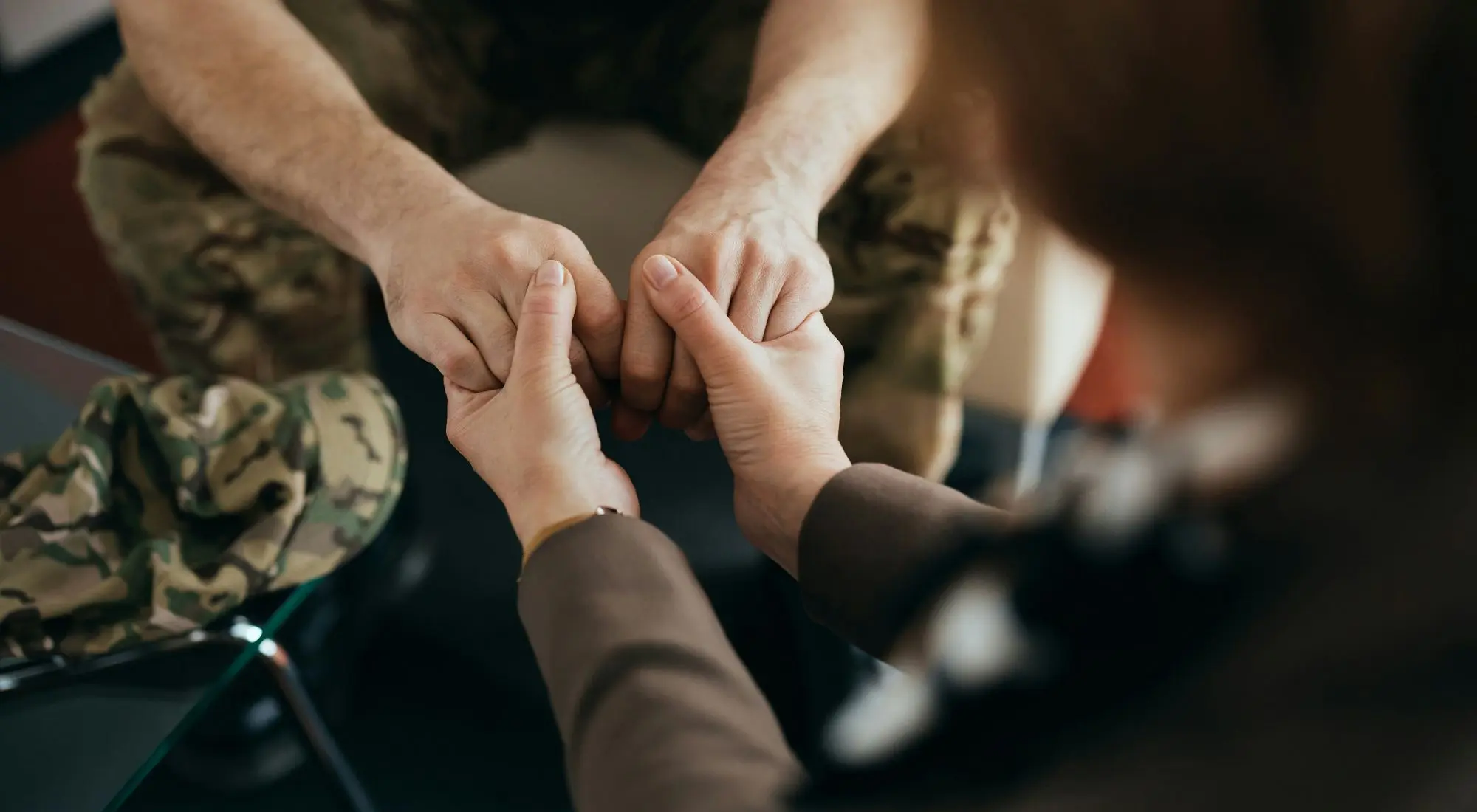
You finally made it home. But sleep won't come easily, and when it does, it doesn't feel like rest. Nights are restless. Days are exhausting. And somewhere along the way, a drink or two became part of the routine just to take the edge off and get through the night.
For many veterans, this is a painfully familiar pattern.
Alcohol use disorder and sleep apnea are two of the most common and most connected health challenges facing the veteran community. Each condition makes the other worse, and together they can quietly erode physical health, mental wellbeing, and quality of life.
In this article, you will learn how these two conditions are linked, why veterans are especially vulnerable, and what steps are available to help break the cycle.
Table of Contents
- Why Veterans May Be More Vulnerable to Both Alcohol Use Disorder and Sleep Apnea
- What Is the Link Between Alcohol Use Disorder and Sleep Apnea in Veterans?
- The Mental Health Impact of Co-Occurring Conditions
- How Integrated Treatment Can Help Veterans With Alcohol Use Disorder and Sleep Apnea
Why Veterans May Be More Vulnerable to Both Alcohol Use Disorder and Sleep Apnea
Military service asks something profound of the people who serve. The physical demands, the exposure to trauma, the hypervigilance required to stay safe. These experiences don't simply end when service does. They follow veterans home, and for many, they manifest in ways that are difficult to recognize and even harder to talk about.
Several factors may increase a veteran's likelihood of developing both alcohol use disorder and sleep apnea:
- PTSD and trauma: Veterans who have experienced combat or other traumatic events are at significantly elevated risk for both disrupted sleep and substance use, often driven by hyperarousal and intrusive thoughts.
- Chronic stress and anxiety: The sustained stress of military life, followed by the challenges of reintegration, can keep the nervous system in a prolonged state of high alert.
- Depression: Closely linked to both disordered sleep and increased alcohol use, depression is common among veterans and often goes untreated.
- Disrupted sleep patterns during service: Irregular schedules and deployment conditions can fundamentally alter a veteran's relationship with sleep long before they return home.
- Physical injuries and difficult transitions: Service-related injuries may increase the physical risk of sleep apnea, while the loss of structure and community after leaving the military can make alcohol feel like an accessible way to cope.
None of these factors reflect a weakness of character. They are the very human consequences of extraordinary service, and they deserve to be treated with the same seriousness as any other medical condition.
What Is Alcohol Use Disorder and How Does It Affect Sleep?
Alcohol use disorder is a medical condition characterized by an inability to control or stop drinking despite negative consequences. It exists on a spectrum, ranging from mild to severe, and it can develop gradually in ways that are not always easy to recognize from the inside.
Common signs of alcohol use disorder include:
- Drinking more than intended or for longer than planned
- Strong cravings for alcohol that are difficult to ignore
- Needing more alcohol over time to feel the same effect
- Experiencing withdrawal symptoms such as sweating, shaking, or anxiousness when not drinking
- Repeated attempts to cut back that haven't been successful
- Alcohol interfering with work responsibilities, relationships, or physical health
The connection to sleep is particularly important to understand. Many people living with alcohol use disorder describe drinking as something that helps them wind down and fall asleep. And while alcohol may produce an initial feeling of drowsiness, it significantly disrupts the sleep that follows.
As the body metabolizes alcohol throughout the night, sleep becomes increasingly fragmented. REM sleep, the stage most critical for emotional processing, memory consolidation, and mental restoration, is suppressed. The result is hours spent in bed that leave a person feeling unrested, foggy, and depleted the next day.
Over time, this creates a damaging cycle. Poor sleep increases the urge to drink. Drinking further worsens sleep quality. And without treatment, both conditions continue to reinforce each other.

What Is Sleep Apnea and Why Does It Often Go Undiagnosed in Veterans?
Sleep apnea is a condition in which breathing repeatedly stops and starts during sleep. These interruptions, which can occur dozens or even hundreds of times per night, prevent the body from reaching the deep, restorative sleep it needs. The most common form, obstructive sleep apnea, occurs when the muscles in the throat relax and partially or fully block the airway.
Common symptoms include:
- Loud or chronic snoring
- Waking up gasping or choking
- Excessive daytime fatigue despite a full night in bed
- Morning headaches
- Difficulty concentrating or memory problems
- Irritability and mood changes
For many veterans, these symptoms can go unrecognized for years. Fatigue is chalked up to the adjustment to civilian life. Irritability and poor concentration are attributed to PTSD or stress. Snoring is dismissed as harmless. And because sleep apnea requires a formal sleep study to diagnose, it often falls through the cracks of routine medical care.
There is also a cultural dimension worth acknowledging. Many veterans are accustomed to pushing through discomfort and may be reluctant to seek help for something that feels like a sleep problem rather than a medical one. This reluctance, combined with symptoms that overlap significantly with PTSD and depression, means sleep apnea can quietly go untreated for a very long time.
The consequences extend well beyond feeling tired. Untreated sleep apnea has been linked to high blood pressure, heart disease, and worsening mental health outcomes, all of which can compound the challenges veterans are already navigating.
What Is the Link Between Alcohol Use Disorder and Sleep Apnea in Veterans?
Alcohol May Worsen Breathing During Sleep
Alcohol is a muscle relaxant, and that includes the muscles of the throat and airway. When those muscles relax during sleep, the airway is more likely to become partially or fully blocked, making breathing interruptions more frequent and more severe. For veterans already living with sleep apnea, alcohol consumption may significantly worsen the condition.
The Effects of Increased Daytime Fatigue and Cognitive Strain
When alcohol use and sleep apnea combine, the impact on daily functioning can be significant. Veterans may experience:
- Persistent exhaustion that sleep does not seem to resolve
- Brain fog and difficulty concentrating
- Heightened irritability and emotional instability
- Increased difficulty managing stress or regulating mood
These effects can make daily life feel unmanageable, and for some veterans, alcohol becomes a way to cope with that burden, continuing the cycle.
The Cycle of Poor Sleep and Increased Drinking
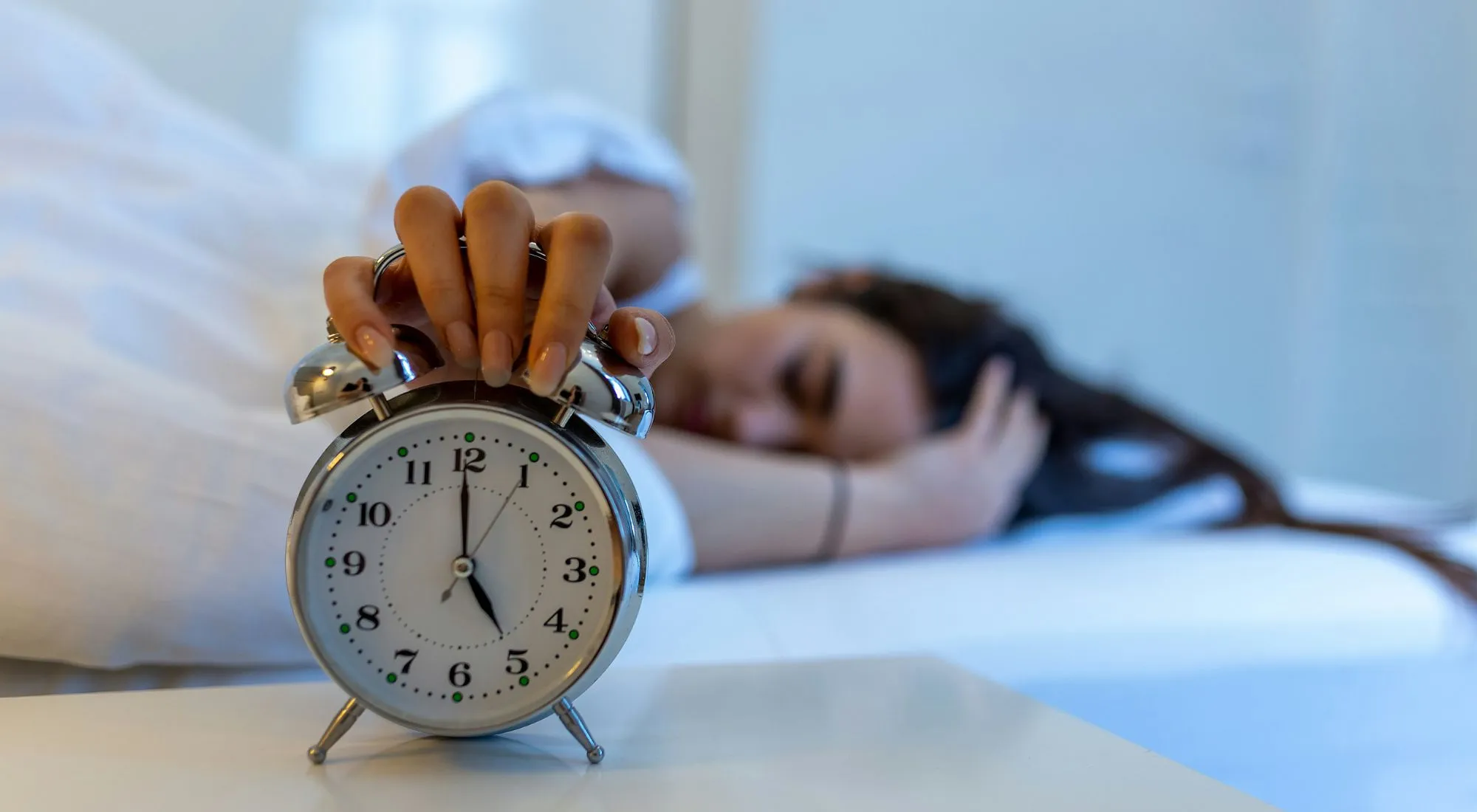
For veterans navigating alcohol use disorder and sleep apnea, the relationship between the two can become a self-reinforcing cycle. Some veterans turn to alcohol to manage insomnia, anxiety, or the weight of unprocessed stress.
While it may offer brief relief, alcohol ultimately reduces sleep quality and worsens apnea symptoms overnight. The next day brings more fatigue and more distress, which can increase the urge to drink again. Without support, this cycle can be very difficult to break alone.
The Mental Health Impact of Co-Occurring Conditions
When alcohol use disorder and sleep apnea go unaddressed, the effects reach far beyond physical health. Together, they can create conditions that make existing mental health challenges significantly harder to manage.
PTSD, Anxiety, and Depression
For veterans already living with PTSD, anxiety, or depression, chronic sleep disruption and ongoing alcohol use can intensify symptoms that might otherwise be manageable. Research consistently shows that poor sleep worsens emotional regulation, increases hypervigilance, and makes it harder to process trauma.
Alcohol, while sometimes used to quiet these symptoms temporarily, tends to amplify them over time. The result can be a steady worsening of mental health that feels confusing and discouraging, especially when a veteran is genuinely trying to cope.
Effects on Relationships and Daily Life
The cumulative toll of disrupted sleep, alcohol use disorder, and worsening mental health does not stay contained to the individual. It ripples outward. Veterans may notice:
- Mood swings and irritability that strain relationships with partners, children, and friends
- Low energy and reduced motivation that make it difficult to stay engaged at work or meet daily responsibilities
- Withdrawal from social connection, which can deepen feelings of isolation
- Difficulty being emotionally present with the people they love most
- Challenges maintaining employment or finding stability in civilian routines
These are not signs of failure. They are symptoms of conditions that are real, treatable, and deserving of compassionate, professional support.
How Integrated Treatment Can Help Veterans With Alcohol Use Disorder and Sleep Apnea
Treating alcohol use disorder and sleep apnea separately often leads to incomplete results. When only one condition is addressed, the other continues to drive the cycle. Integrated treatment that examines both conditions together, and the underlying factors connecting them, offers a more complete path forward.
A formal sleep study can determine whether sleep apnea is present and how severe it is. From there, treatments such as CPAP therapy or lifestyle recommendations may be introduced alongside addiction recovery support. As sleep improves, many veterans find the urge to use alcohol as a coping mechanism begins to ease as well.
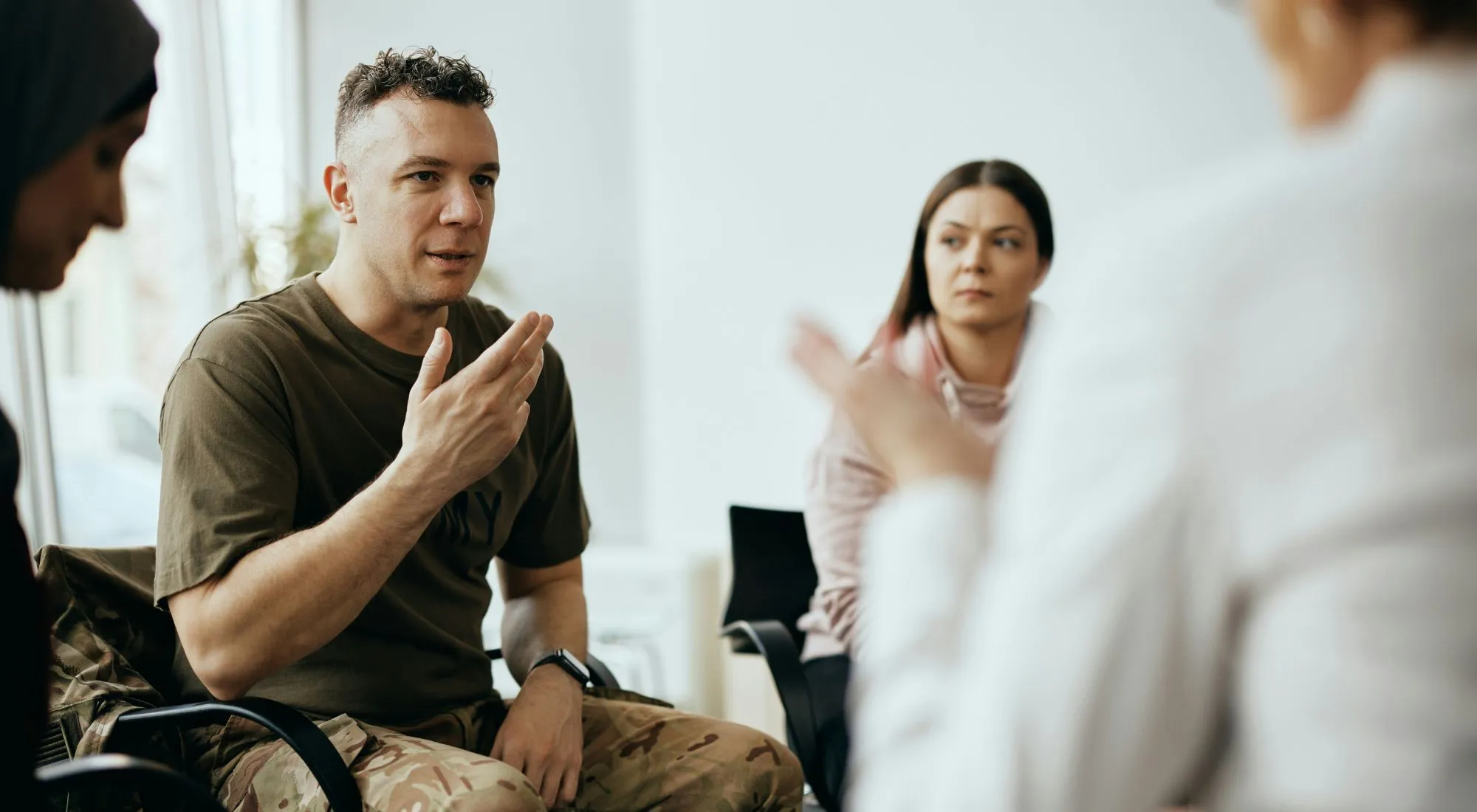
For many veterans, lasting recovery also means working through trauma, PTSD, or depression in a safe environment. When all of these pieces are treated together, recovery becomes not just possible but sustainable.
Take the First Step to Recovery With Compassionate Care From Robin Recovery
You have already carried so much. You do not have to carry this alone.
At Robin Recovery, we offer compassionate, personalized outpatient treatment designed to meet you exactly where you are, whether you are reaching out for yourself or someone you care about. This can be the last call you need to make. We will take it from here.
Contact Robin Recovery today or schedule an appointment online. Help is ready when you are.