
The Link Between Alcohol and Vertigo — Causes, Symptoms, and Treatment Options
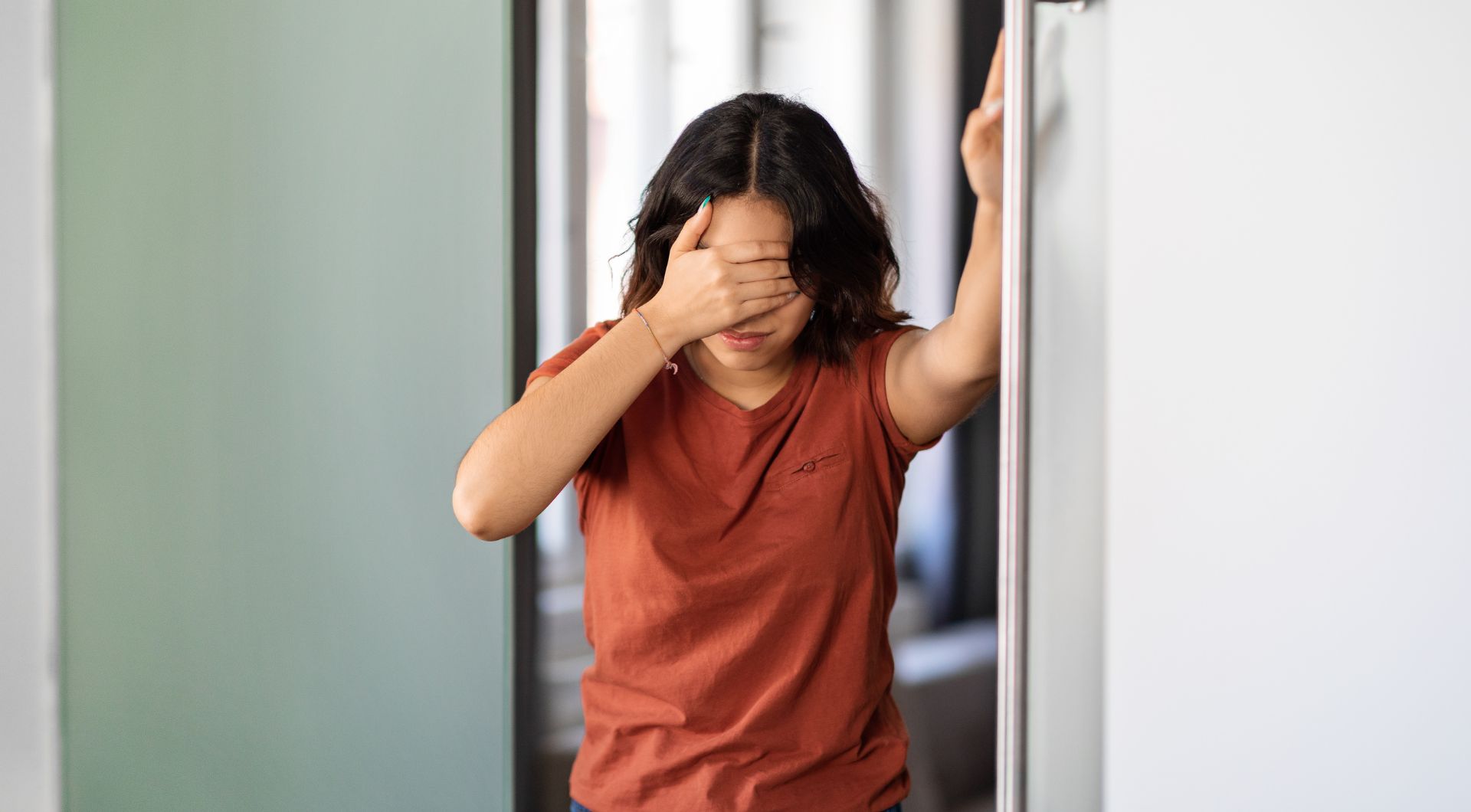
The inebriated stagger is a hallmark of drunkenness that might elicit a chuckle because of its silly appearance, but it could also indicate that one’s alcohol use has begun to have damaging effects.
Understanding the connection between vertigo and alcohol use erases any humorous caricature. Rather, this connection underscores the dangerous side of alcohol misuse in terms of its effects on something so basic and central as balance.
Robin Recovery delves into how vertigo and alcohol use are related and explains how to know when the situation is dire and what to do to resolve it.
- What Is Vertigo and How Is It Different From Dizziness?
- Vertigo or Alcohol? How To Tell the Difference
- Can Alcohol Withdrawal Make Vertigo Worse?
- Frequently Asked Questions About Vertigo and Alcohol
- When To See a Doctor for Vertigo and Alcohol Dizziness
- Find Steady Ground Again With Robin Recovery
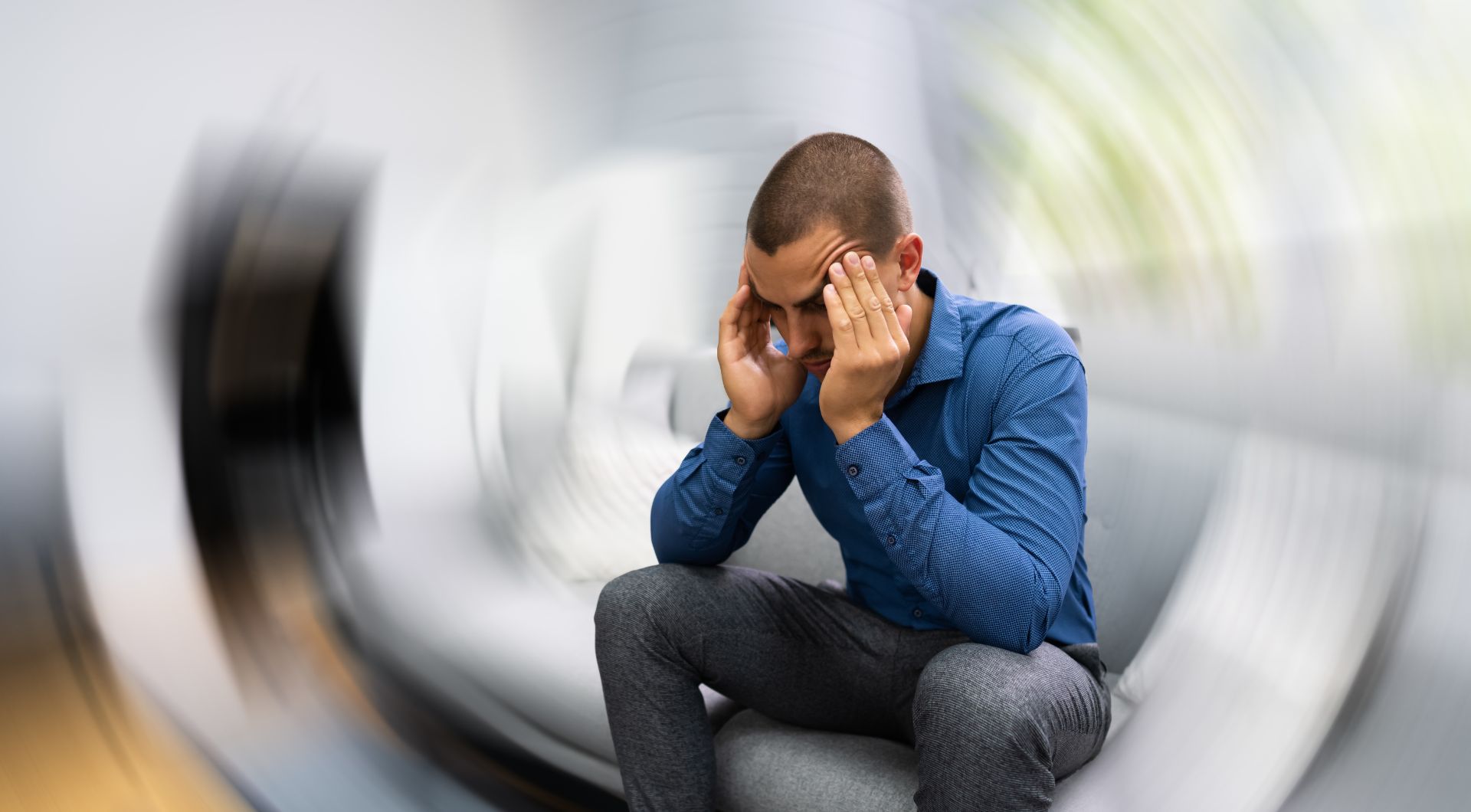
Vertigo is a specific type of dizziness. Sufferers experience the sensation that they or their surroundings are spinning, whirling, or tilting, even while they are at rest. The condition varies in severity from person to person and has several possible causes. Vertigo may be accompanied by other symptoms, such as nausea and vomiting, balance problems, difficulty focusing the eyes, etc.
Not all dizziness involves vertigo; it may be a less disabling feeling of general unsteadiness, faintness, or lightheadedness caused by a number of different circumstances, such as:
- Low blood sugar
- Reduced blood flow
- Certain medications
- Depression, anxiety, and panic
- Concussion
- Motion sickness
- Alcohol
Alcohol consumers with vertigo should be aware that alcohol may cause symptoms associated with the condition. Contact Robin Recovery today for help cutting out alcohol to resolve or reduce the unpleasant sensation of alcohol-induced dizziness.
What Causes Vertigo Attacks? Common Triggers
A vertigo episode may be triggered by various things, most commonly:
- An inner ear problem: Benign paroxysmal positional vertigo (BPPV) is a condition in which calcium carbonate crystals located in the inner ear become dislodged from their proper location, often because of head trauma, certain medications, or aging.
- Certain medications: Many drugs can cause dizziness, but those that cause vertigo specifically tend to do so by impairing hair cell function within the vestibular end organ.
- Dehydration: When the body lacks adequate water stores, blood pressure decreases to the point that cells do not receive the nutrients they need to function properly.
- Neurological issues: Meniere’s disease, vestibular migraines, and vestibular neuritis may all cause episodes of vertigo.
- Stress: Disruption of your body’s balance system can occur through the adrenaline and muscle tension produced during times of stress.
Can Alcohol Trigger Vertigo?
Alcohol may also trigger vertigo. It does this through its:
- Blood-thinning properties: These cause a change in the density of the fluid traveling within the inner ear’s semicircular canals and thus distort the brain's perception of movement and position.
- Depressant effect on the cerebellum: Slowed signaling between the brain, eyes, and ears impairs coordination and motor movement.
To be sure that your dizziness is a symptom of alcohol intoxication rather than an inner ear issue, consider the following differences:
- Timing: If your dizziness happens after drinking, it’s likely alcohol-related, but if it persists while you’re sober, it’s likely an inner ear issue.
- Movement: If episodes are brought on by particular head movements, you may be experiencing BPPV.
- Nausea differences: Nausea after alcohol consumption may be due to increased stomach acid production or to inner ear disturbances. It typically accompanies other symptoms of hangover, such as weariness and headache.
Robin Recovery is here to assist you in your goal to be free of alcohol-induced dizziness and other unpleasant consequences of alcohol dependency.
Alcohol withdrawal can temporarily worsen vertigo symptoms due to nervous system sensitivity, dehydration, and balance disruption. Don’t let this discourage you, as it will most likely be temporary. Vertigo during alcohol withdrawal can signal a necessary nervous system readjustment.
Safe Recovery Steps for Vertigo During Alcohol Withdrawal
Experiencing vertigo while trying to recover from alcohol use can feel disheartening, but there are things you can do to push through successfully:
- Stay in contact with your treatment provider to check your symptoms.
- Eat balanced meals, stay hydrated, and rest frequently.
- Avoid driving or standing quickly until the dizziness subsides.
- Professional programs (like Robin Recovery’s Intensive Outpatient Program and Partial Hospitalization Program) can monitor symptoms while supporting your recovery progress.
What Drinks Can Trigger Vertigo?
Alcoholic drinks like wine, beer, and cocktails can trigger vertigo, especially if you drink them while dehydrated. Drinks high in sugar or caffeine may also worsen dizziness. Staying hydrated is of utmost importance in preventing an alcohol-induced vertigo episode.
How Long Does Alcohol-Related Vertigo Last?
For occasional drinkers, vertigo usually fades within hours once alcohol leaves the system. For heavy or long-term drinkers, symptoms can persist for days or return during times of withdrawal. But if you stay consistent with hydration, nutrition, and medical support, they may diminish over time.
What Is the Fastest Way To Resolve Vertigo?
The fastest way to stop vertigo is to sit or lie down, stay still, hydrate, and focus on a fixed object. For recurring episodes, vestibular therapy or prescribed medications may provide longer-term restoration of balance.
Vestibular rehabilitation therapy involves the performance of head maneuvers and other exercises to train the brain to compensate for the improper signals from the vestibular system.
Medications that may help treat vertigo and its attendant symptoms (such as nausea and vomiting) include:
- Antivert
- Dramamine
- Valium
- Ativan
- Phenergan
Some of these medications are central nervous system depressants and, as such, may be harmful if taken while under the influence of alcohol, so be sure to take them as directed.
The following symptoms should not be ignored. If you experience any of these, seek medical attention:
- Sudden or severe dizziness with vision/speech problems
- Loss of coordination, fainting, or one-sided weakness
- Severe headaches accompanied by dizziness
- Vertigo lasting more than a few days
- Ongoing dizziness during withdrawal
Outpatient care can help evaluate whether your symptoms are due to alcohol, underlying ear issues, or something more serious, such as a stroke. Contact Robin Recovery for guidance or a referral.
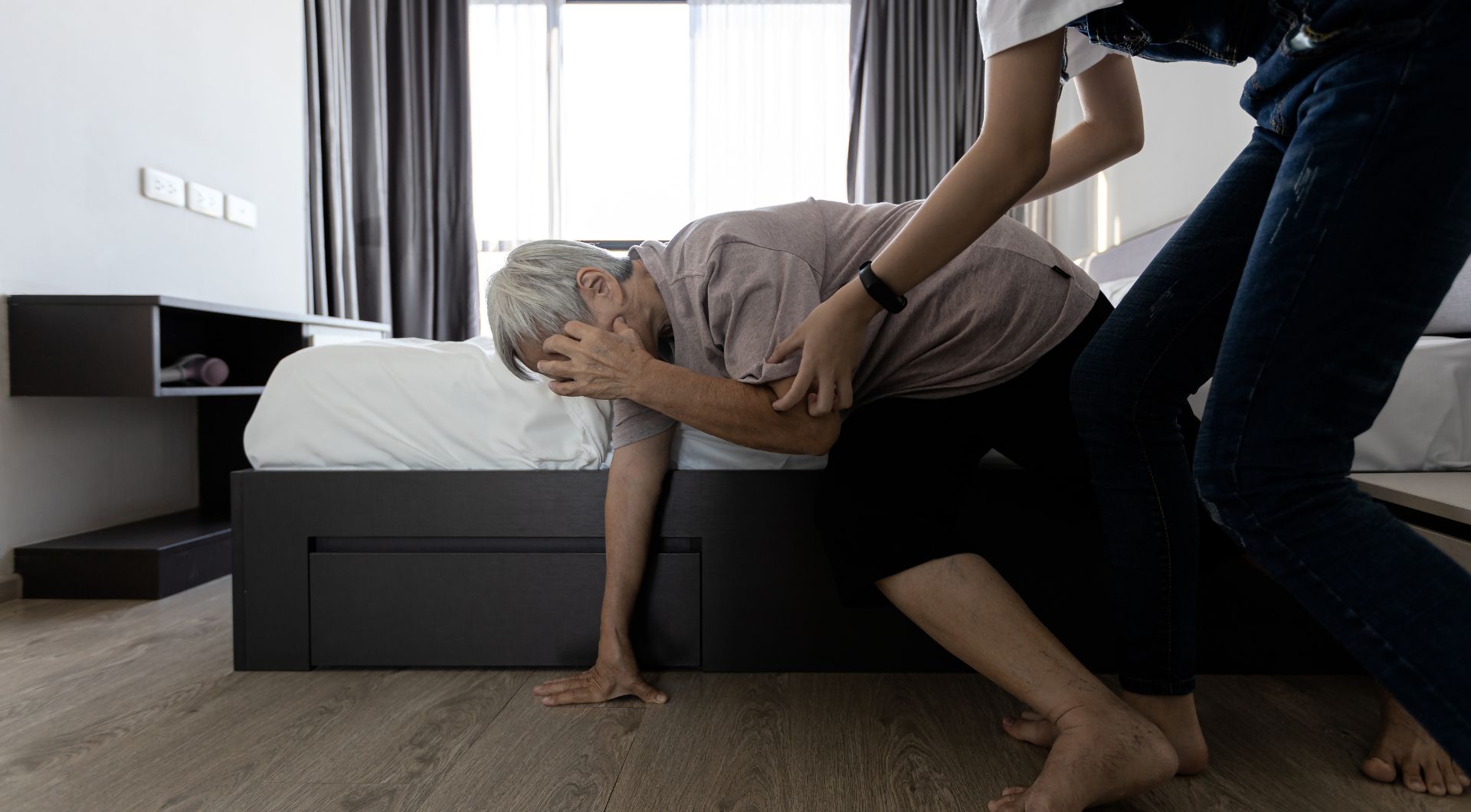
If alcohol misuse is the cause of your dizziness, and you’re ready to find some stability, Robin Recovery provides a range of addiction recovery services to help you on your way to sobriety. Our programs are designed to meet different levels of need:
- Partial hospitalization program: Highly-structured intensive therapy for individuals needing heavy support but don’t require hospitalization.
- Intensive outpatient program: Individualized treatment involving intensive therapy on a flexible schedule.
- Outpatient program: Part-time support for preventing relapse while you navigate real-world stressors.
- Detox: One-on-one care, including medication-assisted treatment and daily visits from your care provider.
Robin Recovery’s approach to rehabilitation from addiction involves evidence-based treatments that increase your chances of success, including:
- Dual-diagnosis therapy
- Cognitive behavioral therapy
- Family therapy
- Group counseling
- Relapse prevention education
Contact us today so our team of professionals can begin providing you with personalized assistance to meet your recovery goals.