
Understanding the Connection Between Alcohol and Ulcers
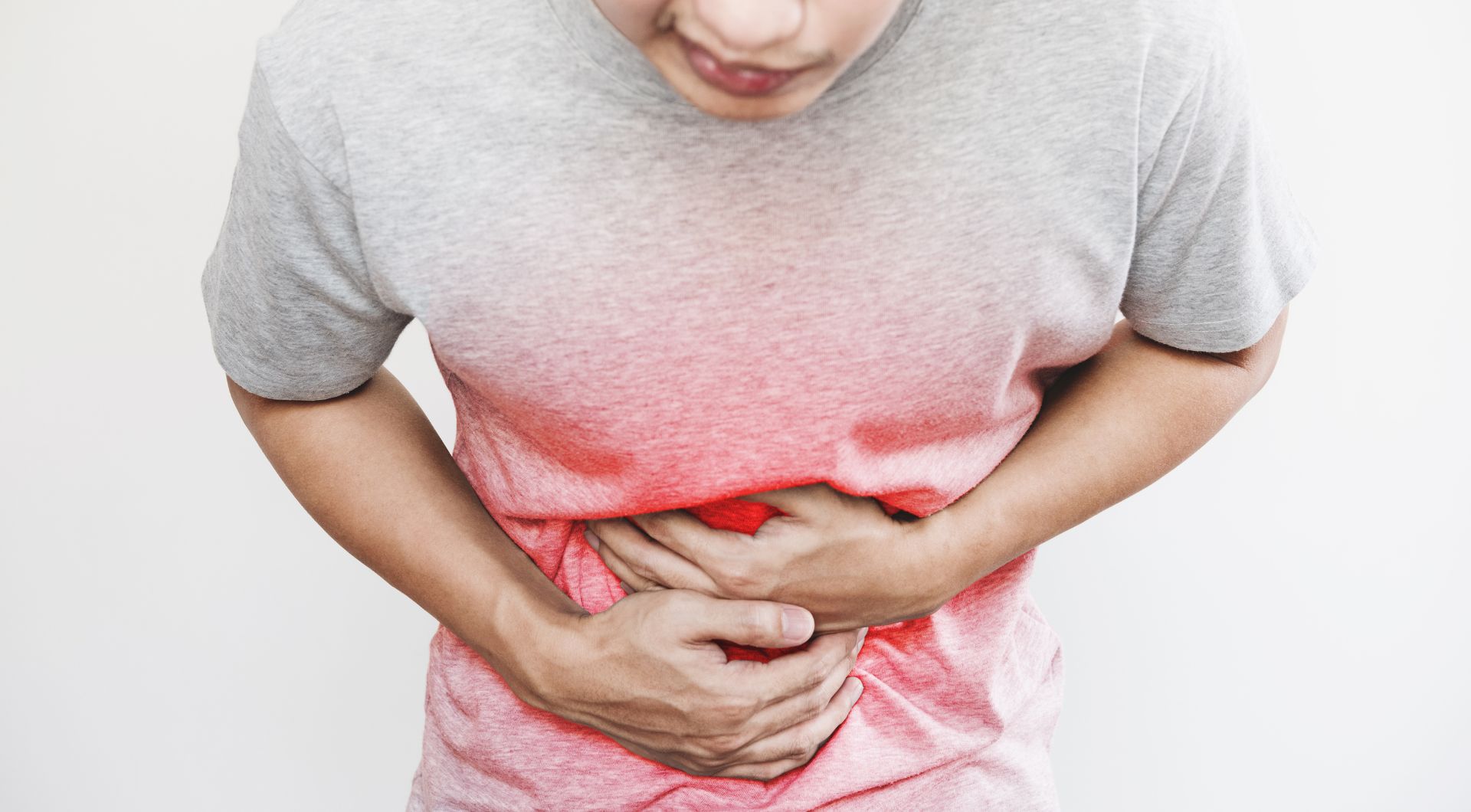
Alcohol and ulcers are often talked about together, especially when people experience ongoing stomach pain or discomfort when drinking. While ulcers can develop for many reasons, drinking alcohol is often a suspect because of how alcohol affects the stomach.
Because of this, it’s often asked if alcohol and ulcers are connected and if drinking alcohol can make existing ulcers or symptoms worse.
Examine the connection between ulcers and alcohol, the risks of continuing to drink with an ulcer, how addiction treatment can support healing, and how changing daily habits can help digestive health.
Table of Contents
- What Are Stomach and Peptic Ulcers?
- How Alcohol Affects the Stomach Lining
- Treating Ulcers: More Than Just a Symptom of Alcohol Use Disorder
- Supporting a Loved One Dealing With Alcohol and Ulcers
- When Alcohol Impacts Your Health, Robin Recovery Is Here To Help
An ulcer is an open wound or sore that occurs when the top layers of a mucous membrane have worn away. The underlying tissue becomes damaged from digestive juices or other irritants.
Typically, ulcers form in the stomach or the small intestine, or the duodenum. A stomach ulcer is a sore within the stomach lining. A peptic ulcer refers to ulcers that occur in the stomach or the duodenum.
The stomach lining serves to protect the stomach wall from digestive juices and enzymes. It also helps move food through the stomach and into the small intestines. When an ulcer occurs, that part of the stomach wall can’t be protected from being burned.
Common symptoms of an ulcer might include:
- Burning or pain after eating and at night
- Excessive bloating or burping
- Nausea
- Poor appetite
Common Causes of Ulcers
A primary cause of ulcers is infections stemming from Helicobacter pylori (H. pylori) bacteria. H. pylori disrupts the mucus lining the stomach.
Another cause is long-term nonsteroidal anti-inflammatory drug (NSAID) use. These medicines, including ibuprofen and similar drugs, can damage the stomach lining if taken regularly.
Other risk factors for ulcers include:
- Smoking
- Alcohol consumption
- Stress
- Radiation therapy
- And more
If alcohol consumption is affecting your overall health, it might be time to seek professional help. Robin Recovery offers comprehensive alcohol treatment programs designed with you in mind. Contact us today to learn more about how we can help.
.jpg)
Alcohol is an irritant to the stomach cells, which in turn causes gastritis, or inflammation. Drinking alcohol also creates an excessive amount of stomach acid and can impede the stomach from healing.
Because the mucus lining is being worn away, the stomach can’t heal properly, so ulcers are more likely to occur with long-term or overindulgent alcohol use. You can also develop chronic gastritis, which can create a vicious cycle between inflammation and ulcers.
Can I Drink Alcohol If I Have an Ulcer?
It is not recommended to continue drinking if you have an ulcer, even if it is being treated. Drinking alcohol will continue to encourage inflammation rather than healing and make the pain much worse. Alcohol consumption may also increase your risk of complications, such as bleeding ulcers.
If you are suffering from ulcers, it is important to give your body a chance to heal. Continuing to drink alcohol will only delay healing and worsen your symptoms.
Symptoms of Stomach Ulcers and Alcohol Abuse
Some people may not have immediate symptoms of ulcers, but the symptoms can range from mild to severe.
Symptoms can include:
- Worsening pain or irritation after meals or at night
- Feeling very bloated or uncomfortable even after small meals
- Heartburn
- Burping
- Nausea
- Vomiting
- Loss of appetite
- Weight loss
- A gnawing or burning sensation in the upper abdomen that can spread to the back or chest
Severe symptoms requiring immediate medical attention include:
- Vomiting blood
- Dark or tarry stools
- Sudden severe pain
Some ulcers may cause subtle or delayed symptoms, which should not be ignored. When you experience these symptoms, you need professional care to alleviate the ulcer. The only way for an ulcer to properly heal is by quitting alcohol.
If you are struggling to stop drinking alcohol, it is important to seek professional help. The team at Robin Recovery provides excellent care and compassionate support for overcoming alcohol addiction.
Warning Signs Due to Alcohol and Stomach Ulcers
Drinking alcohol with ulcers can lead to a host of serious consequences. If you have these symptoms, it is vital to seek emergency medical care immediately:
- Vomiting blood: This indicates that the ulcer has damaged a blood vessel. You will need immediate medical care to stop the bleeding and prevent shock.
- Black stool: Stool that is dark and tar-like is an indicator of bleeding in your upper digestive track and should be considered a life-threatening medical emergency.
- Severe abdominal pain: This indicates there is a perforation, or hole, in your stomach wall, meaning the ulcer is bleeding heavily. Seek emergency medical treatment immediately, as it can cause life-threatening infections and blood loss.
- Faintness: This is another indicator of internal bleeding, which can lead to significant blood loss or shock and requires swift medical treatment.
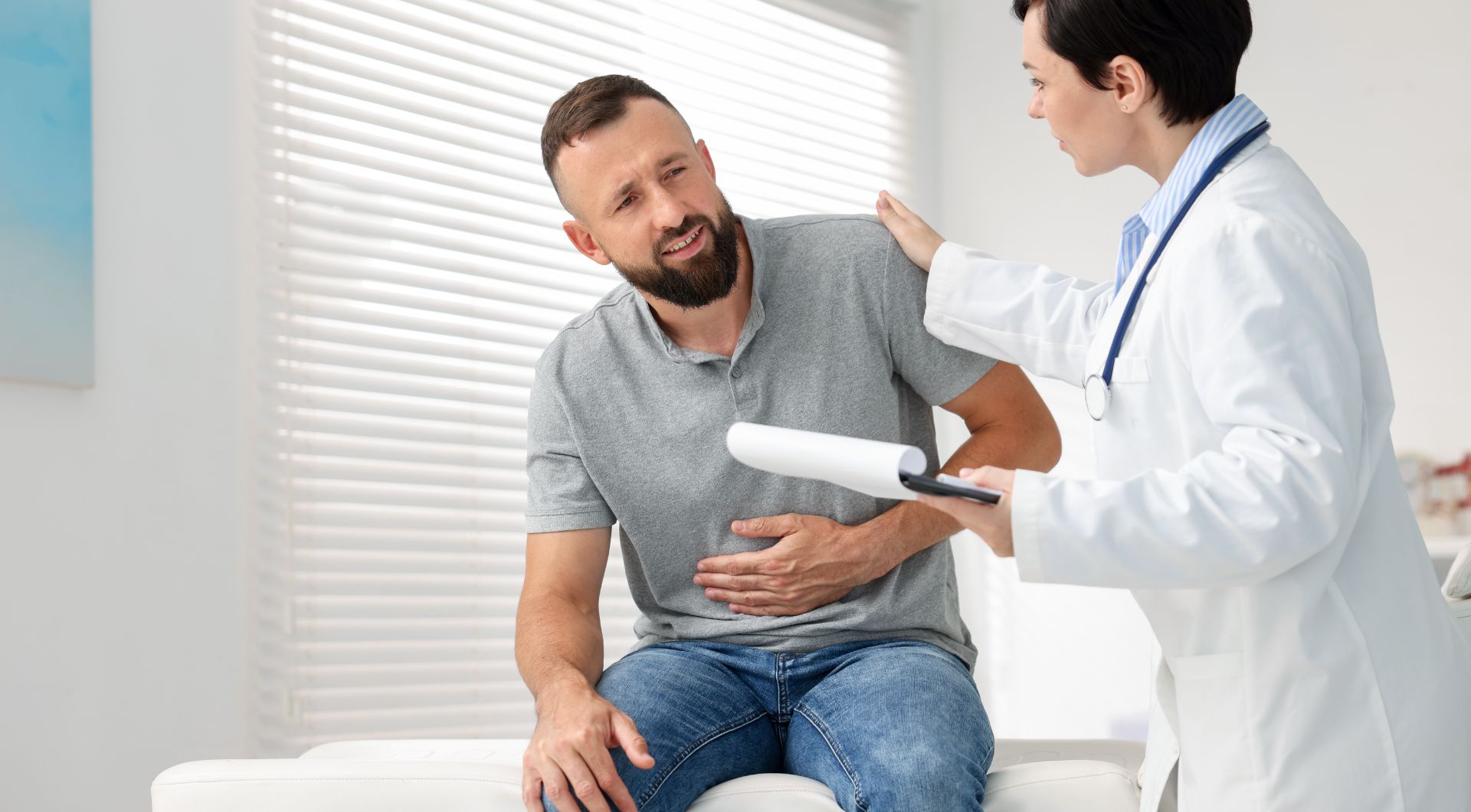
Typical treatment for ulcers includes a range of medications:
- Antibiotics to kill H. Pylori
- Proton pump inhibitors or H2 blockers to reduce stomach acid production
- Protective medications, like sucralfate, coat the ulcer and protect it from digestive enzymes
Additionally, lifestyle changes need to take place for healing, including:
- Stopping the use of NSAIDs
- Quitting alcohol use
- Avoiding spicy foods
- Refraining from caffeine
- Quitting smoking
- Better stress management
Although lifestyle changes, like refraining from drinking alcohol, are necessary to heal ulcers and prevent worsening of symptoms, they won’t be enough to heal the ulcer completely. Ulcers still require medical care. We encourage you to reach out to a medical provider if you’re experiencing symptoms of an ulcer.
Healing a Stomach Ulcer Linked to Alcohol Abuse Disorder
If you have ulcers, it is essential to address your alcohol intake, drastically reduce it, or stop consuming it altogether. Eliminating alcohol gives your body a chance to heal without constant irritation to the ulcers and minimizes the potential for life-threatening risks.
Remaining alcohol-free after the ulcers heal is important because it lowers the risk of contracting ulcers again. Additionally, eliminating alcohol from your body improves your overall digestive health by reducing inflammation and helping heal the gut.
Alcohol Use Disorder and Digestive Health
Excessive alcohol consumption can wreak havoc on your digestive health by:
- Irritating the lining of the digestive tract
- Increasing stomach acid
- Causing acid reflux
- Disrupting the balance of gut bacteria, causing inflammation
- Damaging major organs, like the liver and pancreas
Continual alcohol use also puts your body at risk for ulcers and prohibits your body from healing. Ongoing digestive issues can be an indicator that alcohol consumption is affecting your body quite broadly.
If you have a loved one who is suffering from alcohol and ulcers, it is valid to be concerned. Requesting information is encouraged, whether you are reaching out on someone’s behalf or to be a support network. There are many options for supporting your loved one depending on their needs.
Robin Recovery offers personalized treatment plans to support patients’ needs as they navigate recovery. We also provide family services to connect families to resources and provide support. Reach out to our team today.
Outpatient Programs
Outpatient programs are designed for patients who don’t require the intensity of a residential placement but still need support during recovery.
Benefits of outpatient programs include:
- Evidence-based treatment
- Scheduling flexibility
- Customized programs
- Supportive environment
- Qualified addiction treatment professionals
- Comprehensive therapeutic services
- Continuation of daily routine and responsibilities
Partial Hospitalization Program Treatment
Partial hospitalization programs are designed for people who need a high level of care, but are not ready to try to reintegrate. These programs are great for people who don’t need 24-hour monitoring but still need a high level of support and structure.
Benefits of partial hospitalization programs include:
- Six hours of daily programming
- A supportive environment
- Qualified and compassionate addiction specialists
- Comprehensive therapeutic services
- Step down options as recovery progresses
These programs also focus on skill development, family involvement, peer support, and medical supervision.
Intensive Outpatient Program
Intensive outpatient programs are a step down from partial hospitalization programs. Treatment is several days a week, but patients live at home.
Benefits of intensive outpatient programs include:
- Flexibility
- Continuing to work or go to school and be with your family
- Learning to cope with stress
- Building confidence and self-esteem
- Qualified, caring addiction treatment specialists
- A supportive, compassionate environment
These programs connect you with peers facing similar challenges, encourage family participation, and focus on skill development.

If you or a loved one needs assistance overcoming alcohol addiction, Robin Recovery is here to provide the support and compassion you need. We believe in treating the whole person through our programs and work to help you begin a new chapter in your life.
We offer a safe, therapeutic environment throughout the recovery process using evidence-based techniques that have been proven to work. We’ll help you build an arsenal of coping strategies, develop new habits, and form a support network.
If you’re struggling with alcohol use and ulcers, contact us today to learn more about our recovery program options.