
The Link Between Alcohol and Hair Loss: What’s Happening Inside the Body

It just keeps happening. More and more hair is left in the bristles of your brush every time you run it through your hair. Your hair has always been your best feature, but now something is very wrong with it.
While chatting with a friend over some drinks last night, you learned that years of drinking can lead to hair damage and loss. But why? What’s causing it? And is there a way to reverse it?
In the following article, you’ll learn why alcohol causes hair thinning, how the hair growth cycle works, seven ways alcohol contributes to hair loss, and more.
- Can Drinking Alcohol Cause Hair Thinning?
- Understanding the Hair Growth Cycle
- 7 Ways Alcohol Affects the Body Systems That Support Hair Health
- Will My Hair Grow Back If I Stop Drinking Alcohol?
- Alcoholism and Hair Loss: Signs of a Larger Health Concern
- When Alcohol Starts Affecting How You Look and Feel, Robin Recovery Can Help
No evidence exists showing that drinking alcohol can directly cause hair loss; however, it may cause multiple other issues that can. The relationship between the two varies from person to person and is complex.
If you or someone you know is struggling with alcohol addiction and you’re not sure where to turn or what to do about it, contact Robin Recovery. We’ll help you find the answers you’re looking for and the help you desire.

- Anagen (Growth Phase) – Hair is actively growing, lasting 2-7 years. During this phase, hair grows continually from the follicle attached to the scalp. Approximately 85-90% of all hair on the scalp is growing at any one time.
- Catagen (Transition Phase) – Lasts about 2-3 weeks. The hair stops growing, and the scalp follicle shrinks. Affects about only 1-3% of attached hairs.
- Telogen (Resting/Shedding Phase) – Hair is at rest and eventually sheds, lasting 2-4 months. 10-15% of all hairs are in this phase.
Certain physical stressors can trigger hair to shift from the anagen phase directly into the telogen phase, speeding up the shedding cycle. These can be:
- Stress
- Hormonal changes
- Nutritional deficiencies
- Poor sleep quality

#1: Alcohol’s Effect on Nutrient Absorption
Long-term or chronic alcohol use can interfere with digestion, absorption of nutrients, and storage of essential nutrients needed for healthy hair growth by:
- Preventing the secretion of digestive enzymes needed to break down essential nutrients
- Damaging the small intestine lining, preventing nutrient absorption necessary for hair growth cycles
- Possibly leading to fatty liver disease or cirrhosis, impairing the storage and metabolism of nutrients needed for follicle health
However, episodic or isolated drinking episodes don’t cause these kinds of significant system interference.
#2: Key Nutrient Deficiencies Linked to Drinking Alcohol and Hair Loss
- Zinc:
- Role in Hair Health – Helps with hair follicle recovery, cell division, and DNA synthesis.
- Deficiency Effects – Can disrupt follicle structure, extend the telogen phase, lead to telogen effluvium, and delay hair regrowth.
- Iron:
- Role in Hair Health – Delivers oxygen to the hair follicles, which is crucial for energy metabolism needed to replace lost follicle cells.
- Deficiency Effects – Low levels lead to increased hair shedding and slower regrowth.
- Protein:
- Role in Hair Health – Required for keratin synthesis and the structural health of hair shafts.
- Deficiency Effects – Could result in weaker hair fibers, increased breakage or shedding, and slow growth.
- B Vitamins:
- Role in Hair Health – Plays a key role in cell energy metabolism, keratin production, and red blood cell formation.
- Deficiency Effects – Can interfere with follicle metabolism, reduce oxygen delivery, and increase brittle hair and shedding.
#3: Dehydration, Scalp Health, Hair Loss and Alcohol
Alcohol can cause frequent urination, which can lead to dehydration because of fluid loss.
Dehydration can affect the scalp by making it dry, tight, and flaky. Water is crucial for maintaining the moisture balance and elasticity of hair fibers. Lack of water can cause hair shafts to become brittle, dull, and prone to breaking when brushing.
True hair loss:
- Falls from the root
- Disrupts follicle cycle
- Is typically full-length strands with a bulb or follicle at the end
Breakage:
- Mid-shaft or hair end
- Caused by physical damage, dryness, and styling distress
- Frayed, uneven strands
#4: Alcohol Abuse and Hair Loss Due to Hormonal Disruption
Chronic alcohol abuse can alter several hormonal systems:
- Alcohol can hamper thyroid function by disrupting essential hormones needed for regulating metabolism, such as supplying the energy for hair follicle growth.
- Long-term alcohol exposure may lower thyroid hormone levels, typically leading to hair thinning evenly across the scalp rather than patchy bald spots; though a mild or short-term fluctuation in normal thyroid function usually won’t cause hair loss.
- Persistently high cortisol levels are associated with hair prematurely entering the shedding phase.
Normal hair growth cycles rely on balanced hormones. They can influence:
- Length of the anagen phase
- Transition into the telogen phase
- Overall health and cycling of hair follicles
Unbalanced hormones can shorten growth phases, miniaturize follicles, and extend rest phases, leading to reduced hair density.
#5: Stress, Anxiety, and Alcohol-Related Hair Loss
Chronic stress can raise the amount of stress hormones in the body, disrupting the normal hair growth and pushing the follicles into a premature resting/shedding stage. It can also impede the immune system and reduce blood flow, compromising follicle function.
Some chronic drinkers use alcohol as a way to cope with stress, bringing its own challenges that can negatively affect hair growth, including:
- Sleep disruptions
- Mood irregularities
- Poor nutrient absorption
- Exacerbated dehydration
- Hormone imbalances
Regular or excessive alcohol use may relax a drinker in the short term, but it is itself a psychological stressor, making the effects of stress worse.
Telogen effluvium is a medical condition where large numbers of hair follicles shift from the growth phase to the resting/shedding phase, causing a noticeable amount of lost hair. It’s often triggered by physical and emotional systemic stress.
#6: Sleep Disruption and Hair Regeneration
During periods of deep sleep, the body can ramp up cell division and tissue repair, regenerating cells needed to produce the hair shaft. Growth hormone may be released at the same time, stimulating follicle stem cell activity and protein synthesis. The hormone, melatonin, may also help with hair growth.
While sleep disturbances caused by alcohol consumption don’t directly lead to hair loss, they can cause other issues that weaken the body’s ability to maintain and regrow healthy hair over time.
Alcohol related sleep disturbances may:
- Reduce REM and deep sleep stages – Hampers cell repair, leading to slower follicle recovery and regeneration
- Cause frequent awakenings – Prevents sustained recovery cycles, increases risk of telogen effluvium, and slows regrowth after shedding episodes
- Lead to hormonal imbalance – Causes decreased growth hormone and elevated cortisol levels, which can disrupt the anagen (growth) phase signaling
#7: Alcohol Use, Smoking, and Compounding Risk Factors
Drinking alcohol and smoking often go hand-in-hand in many social situations. While each has its own health concerns, together the damage to hair follicles and hair health is compounded. These two combined may cause:
- Impaired blood flow and nutrient delivery
- Increased oxidative damage
- Disruption to normal hair growth cycles
In many cases, yes, hair may regrow after stopping alcohol, especially if it’s caused by nutritional deficiencies, dehydration, or stress-related disruptions. However, not all hair loss is reversible. If it’s due to a genetic factor or autoimmune condition, stopping alcohol may not restore its full density.
By getting better, higher-quality nutrition, restorative sleep, hydration, and reducing stress, hair follicles may re-enter the growth stage and begin growing healthy hair.
If the hair loss continues or worsens after drinking stops, it’s important to seek medical attention to rule out anemia, thyroid issues, or other possible underlying causes.
Hair loss may seem like a strictly superficial concern, but it can actually be the first sign of a larger health issue. Hair follicles are sensitive to internal stress. When a body experiences nutritional deficiencies, hormonal shifts, or alcohol-related strain, hair thinning, shedding, or slow regrowth are usually the first indication that something isn’t quite right.
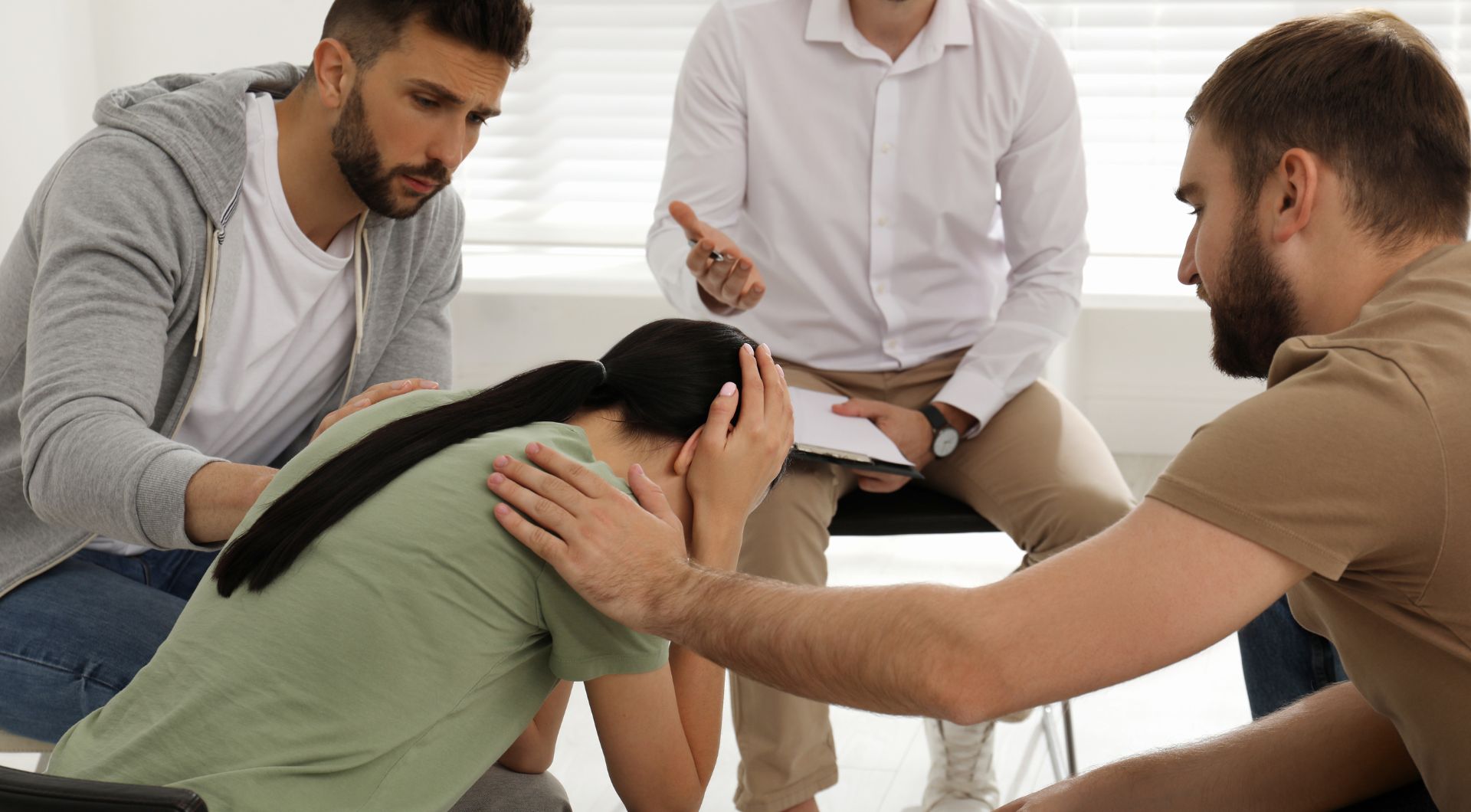
Alcohol addiction can steal both how you feel and how you look, but recovery is possible. At Robin Recovery, we provide individualized, compassionate care to help you take charge of your addiction, restore your hair’s natural growth cycle, and improve your body’s overall health.
Our Columbus program offers personalized treatment plans, intensive outpatient programs, detox, counseling, and more. When the mental, physical, behavioral, and emotional aspects of alcohol abuse are addressed, we see clients empowered to change their lives and long-term well-being.
Take that first step on the path toward recovery today and let Robin Recovery be your guide as you navigate wellness, resilience, and lasting change.