
Why Alcohol Causes Bloating (and What Your Body Is Trying To Tell You)
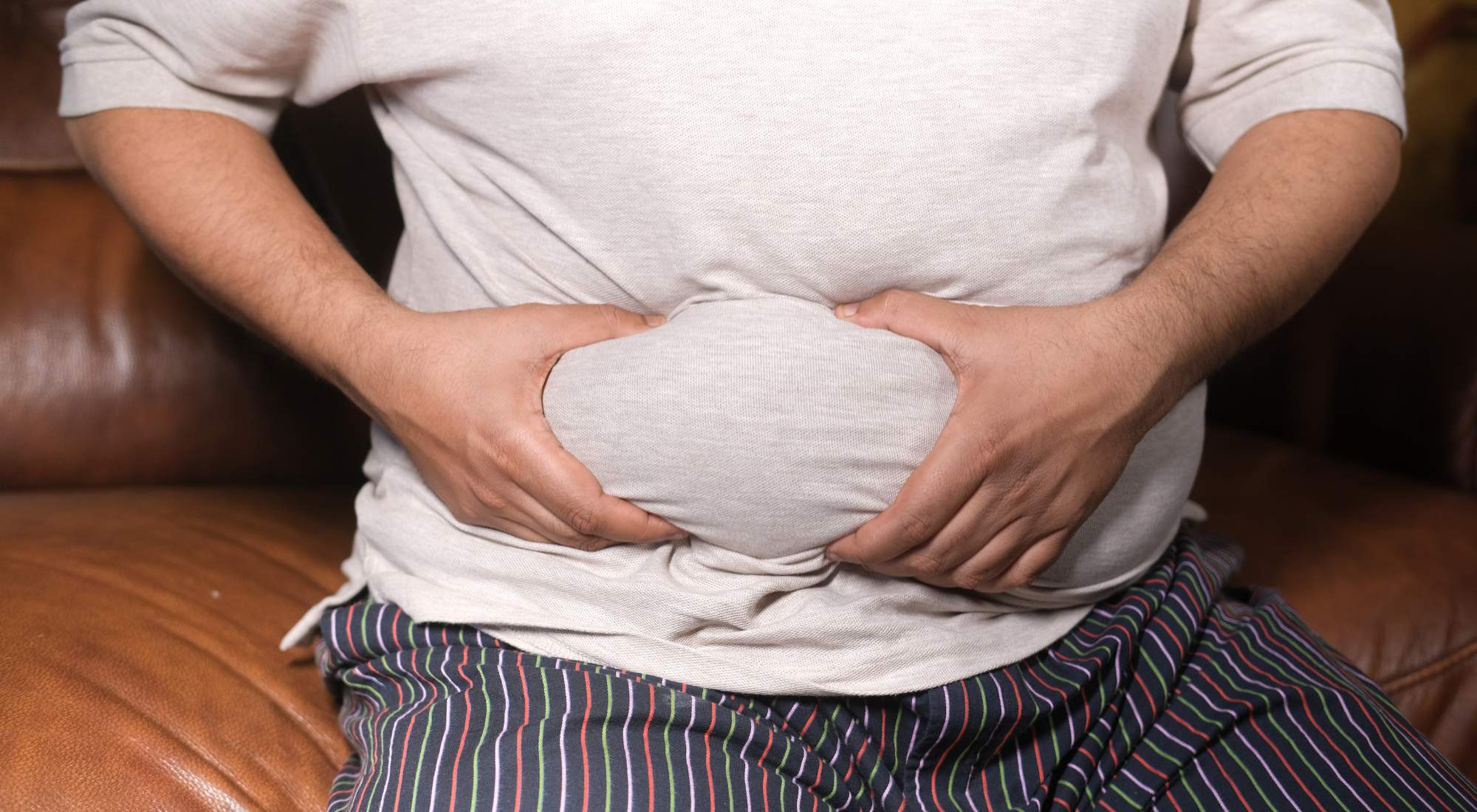
A tight waistband after just a few sips. A slow, uncomfortable swell in your abdomen that wasn’t there an hour ago. You shift in your seat, wondering how a relaxing drink turned into this heavy, bloated feeling.
For many people, alcohol doesn’t just affect the mind. It can leave the body feeling sluggish, puffy, and out of balance. The good news is that these symptoms are not random. There are clear, manageable reasons behind them.
Learn why stomach bloating and alcohol often go hand in hand. Discover how alcohol affects digestion, common causes of bloating, and practical ways to reduce discomfort.
Table of Contents
- The 3 Ways Alcohol and Bloating Are Connected
- How Do You Get Rid of Alcohol Bloating?
- What Types of Alcohol Cause More Bloating?
- When Alcohol Bloating Might Signal a Bigger Issue
The 3 Ways Alcohol and Bloating Are Connected
It is easy to blame carbonation. A fizzy drink, a little pressure, and the assumption feels obvious. But bloating linked to alcohol often runs deeper than bubbles alone.
Alcohol may affect inflammation, digestion, and fluid balance all at once. These internal shifts can lead to fullness, pressure, and visible swelling in the abdomen. Understanding this connection can help make sense of stomach bloating and alcohol and why symptoms can vary from person to person.
If bloating feels frequent, intense, or tied to patterns of drinking that feel hard to control, it may be worth looking closer. Sometimes physical symptoms are early signals that alcohol is affecting more than just digestion. Support from Robin Recovery, including outpatient care or counseling, can help address both the symptoms and the underlying struggle.
#1: Alcohol Irritates the Digestive Tract
Alcohol may irritate the lining of the stomach and intestines. This irritation can lead to inflammation, which may slow digestion and contribute to gas buildup.
When digestion slows, food and gas remain in the gastrointestinal tract longer than usual. This may create:
- A feeling of fullness
- Abdominal pressure
- Trapped gas
- Visible swelling
This process is one reason people experience abdominal bloating after alcohol use, even without consuming carbonated drinks.
Research suggests that alcohol exposure may damage the intestinal lining and increase inflammation in the digestive tract.
#2: Alcohol Causes Dehydration and Water Retention
Alcohol has a complex relationship with hydration. It acts as a diuretic, increasing fluid loss through urination. At the same time, the body may respond by retaining water to maintain balance.
This paradox may contribute to:
- Puffiness in the abdomen
- A swollen or tight feeling
- Temporary water retention
Electrolyte imbalances may also play a role, making it harder for the body to regulate fluids efficiently.
These shifts help explain why stomach bloating can feel worse the next day, even if food intake has not changed.
Research indicates that alcohol can contribute to fluid imbalance in the body, including increased fluid loss through urination and shifts in electrolyte regulation that can affect how the body holds or releases water.
#3: Alcohol’s Effect on Gut Bacteria
The gut microbiome plays a key role in digestion. Alcohol may disrupt the balance of beneficial bacteria in the intestines.
When this balance shifts, it may lead to:
- Increased gas production
- Slower digestion
- Greater sensitivity in the gut
- Digestive discomfort
These changes may contribute to stomach bloating with alcohol, especially with repeated or heavier alcohol use.
Emerging research suggests alcohol consumption may alter gut microbiota and increase intestinal permeability, both of which are linked to digestive symptoms.
How Do You Get Rid of Alcohol Bloating?
Alcohol bloating may improve as the body rebalances fluid levels, calms digestive irritation, and restores normal gut function. Helpful steps include hydration, gentle foods, light movement, and time.
If symptoms are frequent, reducing alcohol intake or seeking support for alcohol use disorder from professionals may help address the root cause. Our team at Robin Recovery understands what it takes to break harmful patterns and can offer a customized treatment plan to support your recovery.

Hydrate To Restore Balance
Alcohol may contribute to fluid imbalance, so replenishing hydration is important.
- Drink water consistently throughout the day.
- Consider electrolyte-rich fluids to help restore balance.
- Sip slowly rather than drinking large amounts at once.
Hydration supports kidney function and helps the body regulate fluid shifts that contribute to bloating.
Eat Gentle, Digestive-Friendly Foods
After drinking, the digestive system may be more sensitive. Choosing simple foods may help reduce strain.
Helpful options include:
- Lean proteins like chicken, turkey, or eggs
- Cooked vegetables such as zucchini or carrots
- High-fiber foods like oats or bananas
It is best to avoid:
- Greasy or fried foods
- Very salty meals
- Heavy processed foods
These can worsen water retention and increase the effect of alcohol on stomach bloating.
Move Your Body
Light movement may help stimulate digestion and reduce gas buildup.
Try the following:
- A short walk after eating or drinking
- Gentle stretching
- Light household activity
Movement may support gut motility, which can help relieve pressure associated with alcohol and abdominal bloating.
Give Your Body Time To Recover
The body needs time to metabolize alcohol and reduce its inflammatory effects.
Keep in mind that:
- Bloating often improves as alcohol leaves the system.
- Rest supports normal digestive function.
- Avoiding additional alcohol may help with recovery.
Inflammation and fluid shifts may take time to settle, especially after heavier drinking episodes.
What Types of Alcohol Cause More Bloating?
Carbonated, sugary, wheat-based alcoholic drinks and those with artificial sweeteners may increase bloating by adding gas, slowing digestion, or disrupting gut balance.
- Carbonated drinks like beer and champagne: These contain dissolved gas that may build up in the digestive system and contribute to pressure, fullness, and stomach bloating and alcohol.
- Sugary cocktails and mixers: High-sugar drinks may ferment in the gut and increase gas production, which can worsen alcohol and stomach bloating, especially when digestion is already slowed.
- Wheat-based alcoholic drinks like beer: These may cause digestive discomfort in people sensitive to wheat or gluten, potentially contributing to alcohol and abdominal bloating.
- Drinks with artificial sweeteners: Sugar alcohols and certain sweeteners may be harder to digest for some people and can lead to increased gas and bloating.

When Alcohol Bloating Might Signal a Bigger Issue
Occasional bloating after drinking is common. But when it happens often, feels intense, or is paired with other symptoms, it may point to something more than simple digestion changes.
Recurring stomach bloating and alcohol use may suggest underlying digestive sensitivity, inflammation, or patterns of alcohol use that are affecting overall health.
Signs it may be worth paying closer attention include:
- Bloating that happens after most drinking occasions
- Symptoms that are getting more frequent or more intense over time
- Digestive discomfort even after small amounts of alcohol
- Feeling like alcohol affects your body more than it used to
In some cases, ongoing bloating or inflammation can be a signal that the digestive system is under strain or that alcohol use is becoming harder for the body to process comfortably.
If this feels familiar, support is available. At Robin Recovery, we offer personalized outpatient programs, partial hospitalization, and counseling services in Columbus and Cleveland, OH. Our team helps individuals better understand their relationship with alcohol while addressing both physical symptoms and underlying patterns in a supportive, nonjudgmental setting.
Robin Recovery: Providing Support for Alcohol Use Disorder in Columbus, Ohio
A drink that once felt relaxing now leaves behind discomfort, heaviness, and questions. When alcohol begins to take more than it gives, support can help bring clarity and relief.
Robin Recovery offers outpatient care, partial hospitalization programs, and counseling in Columbus and Cleveland, OH. Treatment is personalized, helping individuals address alcohol use in a way that also supports physical and emotional well-being.