
Accutane and Alcohol: A Dangerous Combination

You've tried the cleansers, creams, and home remedies, but your acne still won't go away. Now, your doctor has prescribed Accutane, and you're hoping it will finally help. But there's one question on your mind: Can you still drink alcohol while you're doing treatment?
Some people find it easy to avoid alcohol. For others, drinking helps them deal with stress, low self-esteem, or the emotional impact of severe acne. In these cases, taking care of your skin can feel like an even bigger struggle.
In this article, we’ll cover what Accutane is, whether it’s safe to drink alcohol while using it, the possible risks of mixing the two, and what you can do if alcohol use is making it hard to start the acne treatment you want.
Table of Contents
- What Is Accutane?
- Is It Safe To Combine Accutane and Alcohol?
- 4 Dangers of Taking Accutane and Drinking Alcohol
- FAQs About Accutane and Alcohol
- What To Do If You Need Help Limiting or Discontinuing Alcohol Consumption
- Robin Recovery: Columbus’s Choice for Rehabilitation From Alcohol Addiction
What Is Accutane?
Accutane is a prescription medicine for severe acne, usually given when other treatments have not worked. Its main ingredient, isotretinoin, is related to vitamin A and belongs to the retinoid family. Accutane works by reducing oil production, shrinking oil glands, and helping skin cells renew to keep pores clear. It also lowers inflammation, which makes it harder for acne-causing bacteria to grow. Because it has a strong effect on how the skin produces oil, doctors only prescribe Accutane when other options have not helped.
Most people notice improvement within one to three months, though their skin might get worse before it gets better. Treatment usually lasts four to six months, and after that, acne often clears up for good or comes back much less severely. These lasting results happen because the medicine changes how oil glands work.
Accutane is often very effective for severe acne and should always be used under close medical supervision. Because it is a strong medication, it is important to manage alcohol use and other health factors while taking it. If drinking is getting in the way of your treatment or your goals, Robin Recovery is here to help. Our addiction treatment programs are tailored to your needs and can support you in overcoming alcohol dependence. Reach out to us to find out more about your recovery options.
Is It Safe To Combine Accutane and Alcohol?
Usually, it is not recommended to mix Accutane with alcohol. Some doctors may say that small amounts are okay for certain people, but whether it is safe depends on factors such as:
- Your medical history
- Your liver health
- Your cholesterol and triglyceride levels
- Any other medicines you are taking
Both isotretinoin and alcohol are processed by your liver, which can affect liver function and blood lipid levels. This is why doctors check your blood regularly during treatment and use these results to decide if it’s safe for you to drink alcohol.
4 Dangers of Taking Accutane and Drinking Alcohol
#1: Liver Damage
One of the main worries about using Accutane and drinking alcohol is a higher risk of liver damage. Because both substances are processed by the liver, taking them together can add extra strain. Isotretinoin can also raise liver enzyme levels in some people, and alcohol adds even more stress and may cause inflammation. Using Accutane and alcohol increases the chance of liver problems or unusual liver test results. This is why doctors often order regular blood tests during isotretinoin treatment to check for possible liver issues.
#2: High Triglyceride Levels
Accutane can increase blood fat levels, especially triglycerides. High triglycerides are a common side effect of isotretinoin, and some people notice a big jump during treatment. Drinking alcohol can also raise triglycerides, especially if you drink frequently or in large amounts. Using alcohol and Accutane together makes it more likely that triglycerides will get very high, which can sometimes cause problems like pancreatitis.
#3: More Severe Acne
Alcohol does not directly cause acne, but it can affect how your body works and make breakouts worse. For example, drinking alcohol can lead to:
- Inflammation
- Dehydration
- Hormonal changes
- Higher blood sugar levels
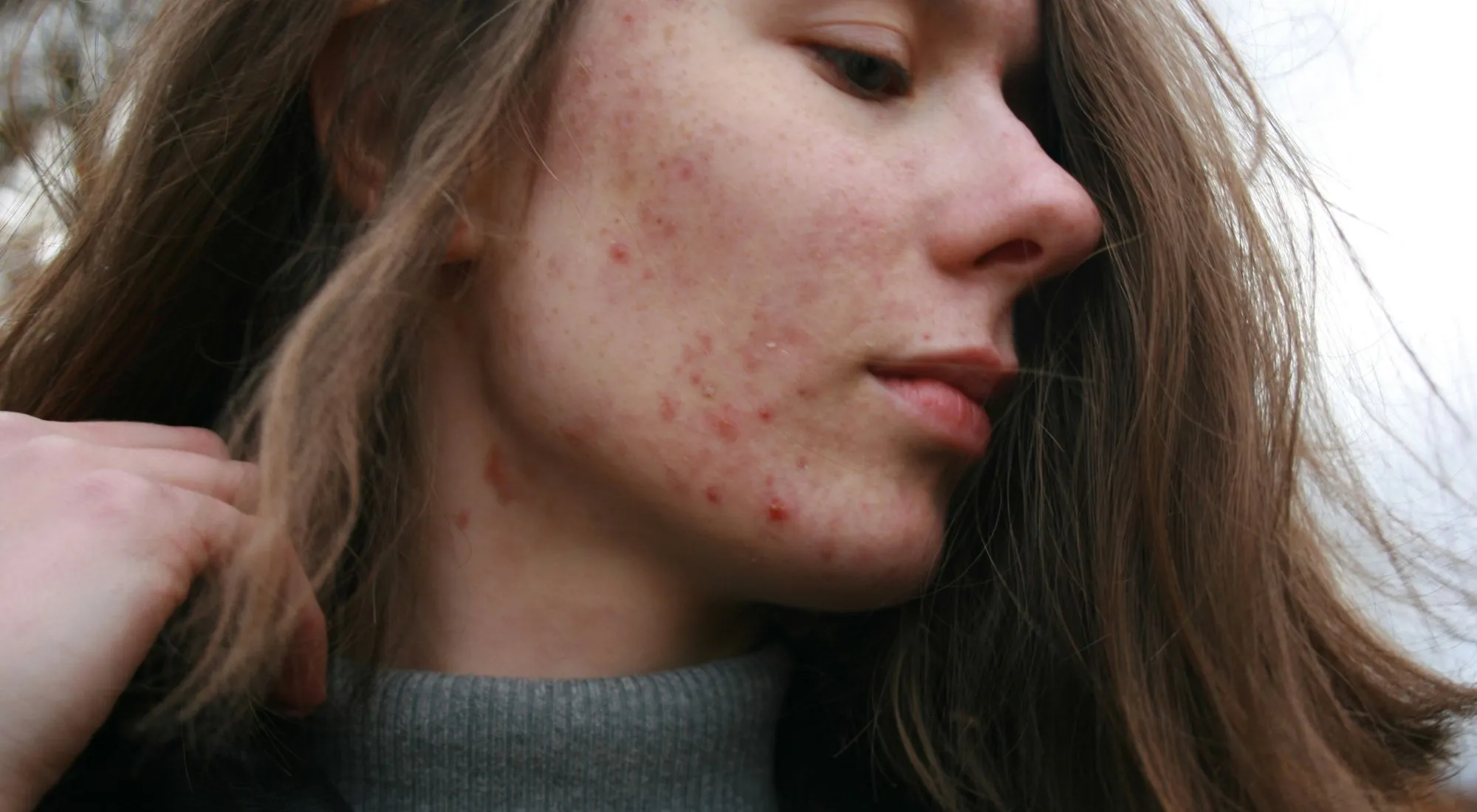
All these conditions can harm your skin. Since Accutane is meant to clear up acne and improve your skin, drinking alcohol might make it harder to see results and could make acne symptoms tougher to control. Alcohol may also worsen acne symptoms by increasing inflammation and affecting factors that play a role in breakouts.
#4: Worsened Side Effects
Drinking alcohol while taking Accutane can make the side effects of both worse. Common side effects of isotretinoin include:
- Dry skin and lips
- Stomach pain or tenderness
- Fast heartbeat
- Nausea
- Vomiting
- Mood changes
Alcohol can also lead to dehydration, stomach problems, and mood issues. Using both at the same time may raise the chances of having these side effects or make them more severe, which can make treatment harder to stick with.
FAQs About Accutane and Alcohol
#1: Can I Have One Alcoholic Drink While on Accutane?
It’s generally safest to avoid alcohol while taking Accutane. Some doctors may say that small amounts are fine, but there isn’t a clearly safe amount. Your health history, liver function, blood test results, and other medications all play a role. Be sure to check with your doctor before drinking alcohol during isotretinoin treatment.
Both Accutane and alcohol are processed by your liver. Drinking alcohol while taking Accutane can raise your risk of liver problems, higher blood fat levels, and other side effects.
Some doctors look at each patient’s history and risk factors before deciding if a rare alcoholic drink is okay. Others suggest avoiding alcohol completely during treatment, since everyone’s risks are different. The best thing to do is talk with your doctor about your own situation.

#2: What Should You Avoid While on Accutane?
If you are taking Accutane, it is best to avoid:
- Alcohol
- Vitamin A supplements
- Excessive sun exposure
- Waxing treatments
- Harsh exfoliants
- Acne products that can irritate the skin
These can make your skin more sensitive and raise the risk of irritation, scarring, or damage. If you are unsure about any product, supplement, or medication, ask your healthcare provider before using it.
#3: How Do I Protect My Liver While on Accutane?
To protect your liver while taking Accutane, you can take steps such as:
- Avoid alcohol.
- Follow your doctor’s instructions for the medication.
- Complete all your blood tests.
- Tell your healthcare provider about any other medicines or supplements you take.
Since isotretinoin is processed by the liver, doctors usually check your liver enzyme levels with regular blood tests. These tests help spot any problems early and show if your treatment needs to be changed.
If you notice symptoms such as unusual tiredness, stomach pain, dark urine, or yellowing of your skin or eyes, contact your healthcare provider right away.
#4: Can I Drink Alcohol While on Accutane If I Time It Properly?
In most cases, no. Changing when you drink alcohol does not remove the risk. Isotretinoin stays in your body for more than a week after your last dose. Both alcohol and Accutane can affect your liver and triglyceride levels. It is important to always follow your doctor’s advice.
What To Do If You Need Help Limiting or Discontinuing Alcohol Consumption
While there are other ways to treat acne, many people choose Accutane because it works well. If you find it hard to avoid alcohol while taking Accutane, remember that support is available. You can talk to a healthcare provider, and they will help you figure out what to do next.
Your provider will look at your acne treatment options and talk with you about your alcohol use. Based on this, they might suggest counseling, support groups, medication, or other resources. Getting help for alcohol use can make you eligible for more treatments and improve your overall health.
You can also reach out to Robin Recovery. Our team can help you create a plan that supports both your recovery and your skincare goals. We can also help you explore treatment options and find a program that fits your needs, goals, and lifestyle.
Robin Recovery: Columbus’s Choice for Rehabilitation From Alcohol Addiction
If you’re concerned that drinking is impacting your health, relationships, or decisions about treatment, Robin Recovery is here to help. We offer several proven addiction treatment options, each designed to fit your needs and allow you to recover in a caring environment. Our team focuses on addiction treatment and recovery, offering programs that may include dual diagnosis care, therapy, and relapse prevention. At Robin Recovery, we aim to make care easy to access and give you the support you need to find your strength and move toward a healthier future.
Robin Recovery offers a wide range of care to support you at every stage of recovery, with treatment options that include:
- Intensive outpatient programs (IOP)
- Outpatient care
- Partial hospitalization (PHP)
- One-on-one counseling and therapy
- Medically supervised detox
With our experience and personalized plans, we help you build the skills and confidence for long-term recovery.
If drinking is making it hard for you to reach your health or personal goals, you are not alone. Support is here, and recovery can happen. Get in touch with Robin Recovery to find out about our programs and start moving toward a healthier, more independent life.